





























Content ITV PRO
This is Itvedant Content department
Learning Outcome
4
Analyze session security using Secure, HttpOnly, and SameSite cookie attributes.
3
Understand how cookies, session IDs, and tokens maintain user sessions.
2
Differentiate between authentication and session management.
1
Explain the purpose and importance of session management in web applications.
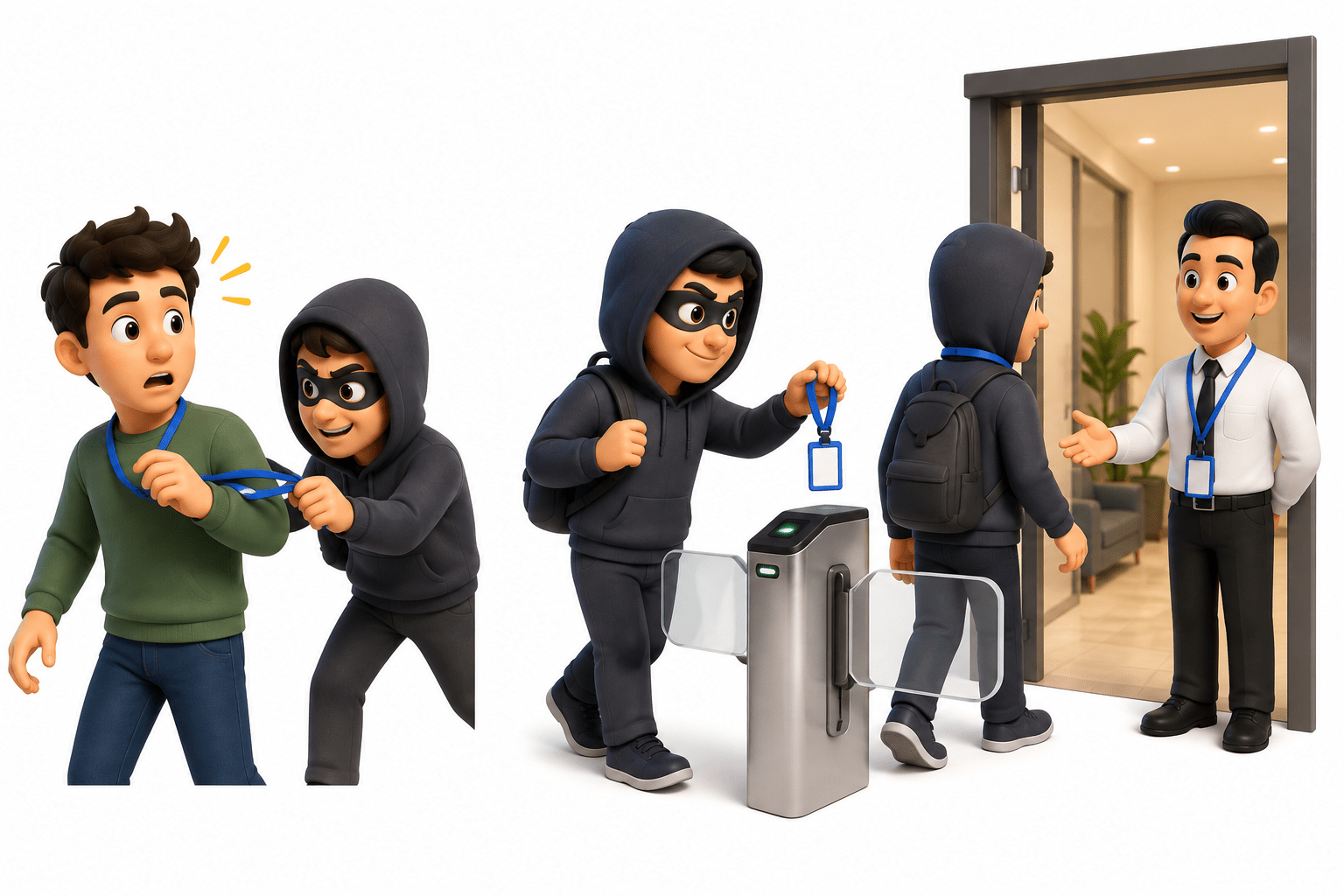
Imagine entering a shopping mall where you receive a visitor pass.
After showing your identity at the entrance, you receive a pass that allows you to move around the mall without proving your identity at every store.
Now imagine someone steals your pass. The staff may assume they are you because the pass is valid, allowing them to access areas meant for you.
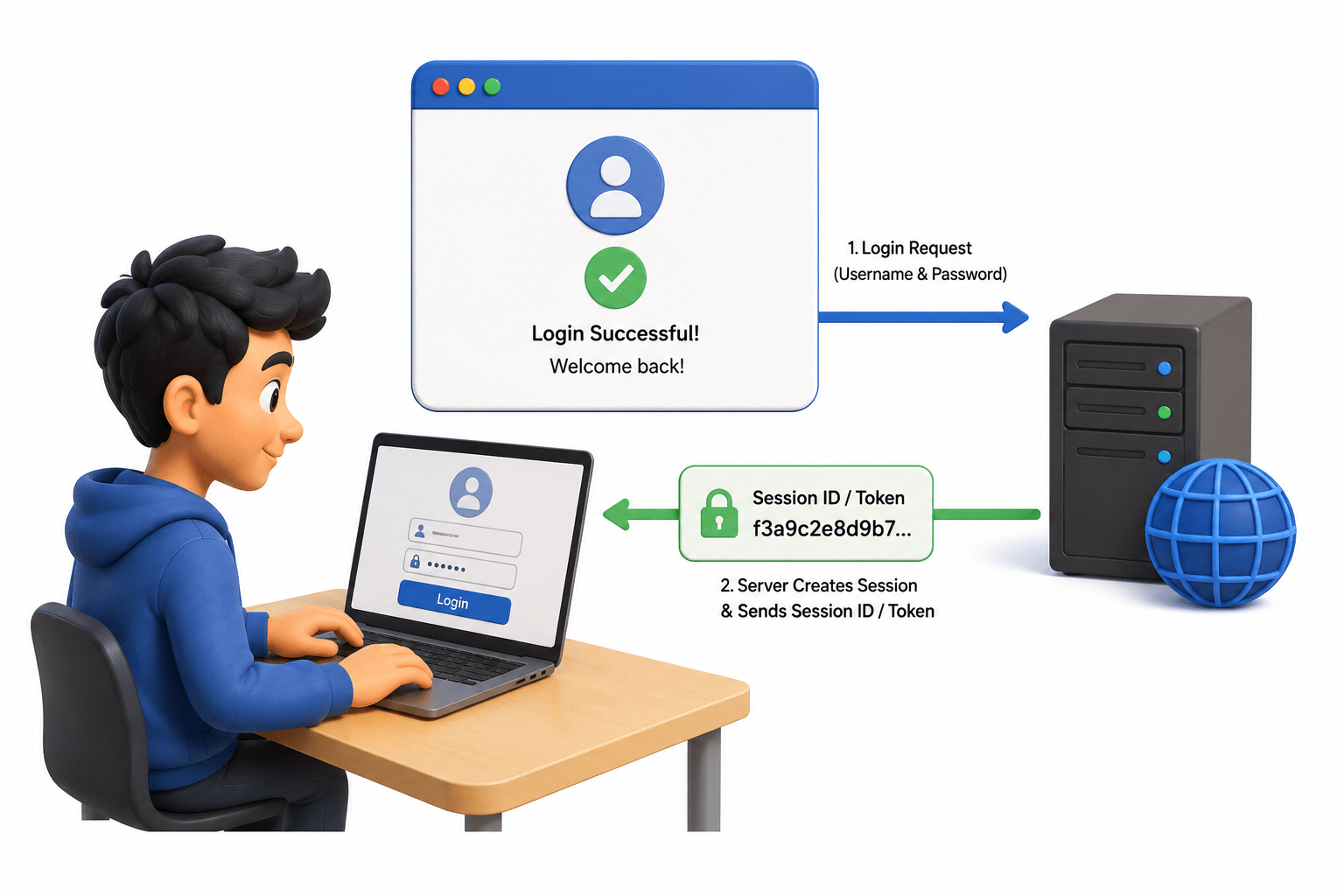
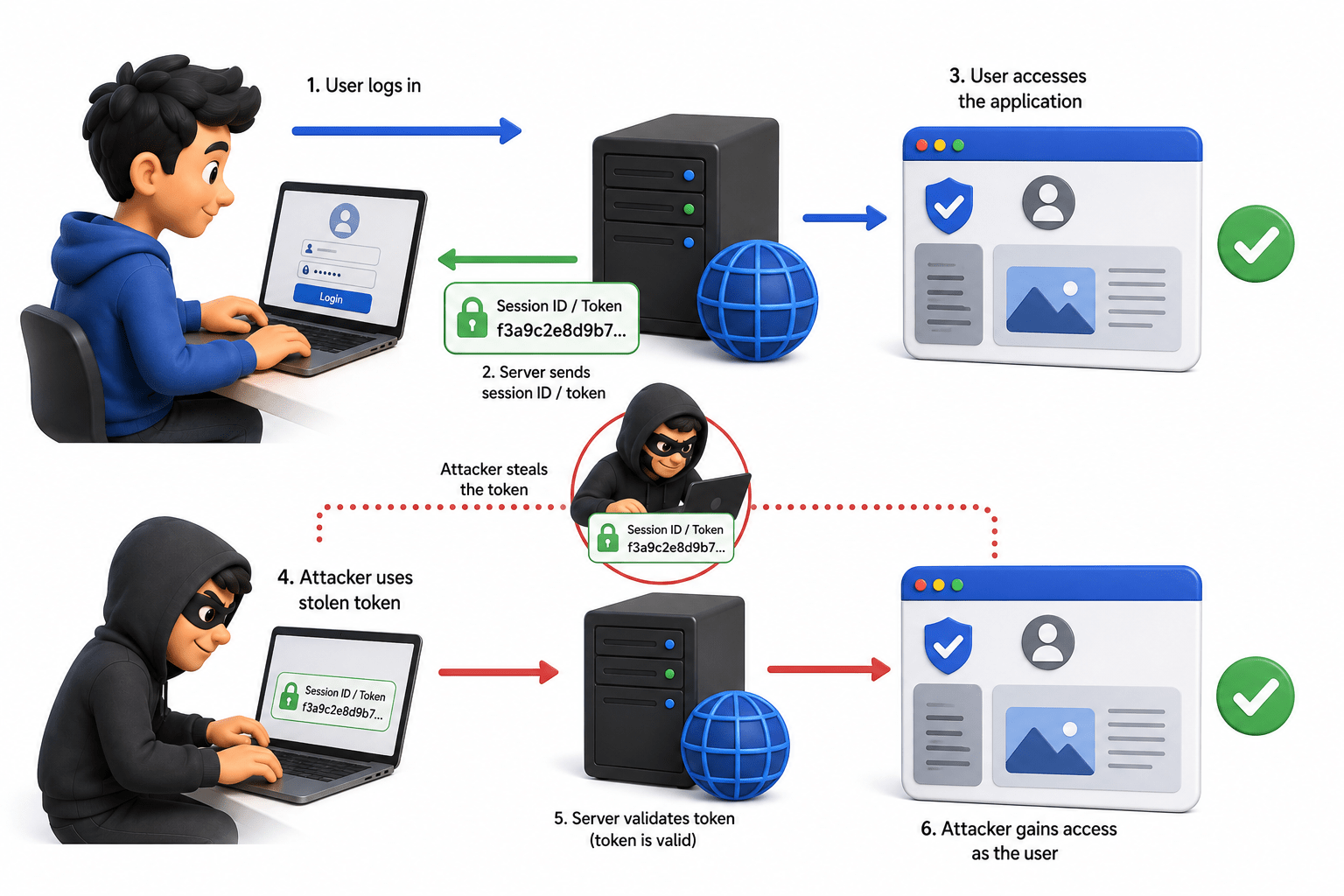
Session management works in a similar way. After you log in, a web application gives your browser a session ID or token to remember that you are authenticated.
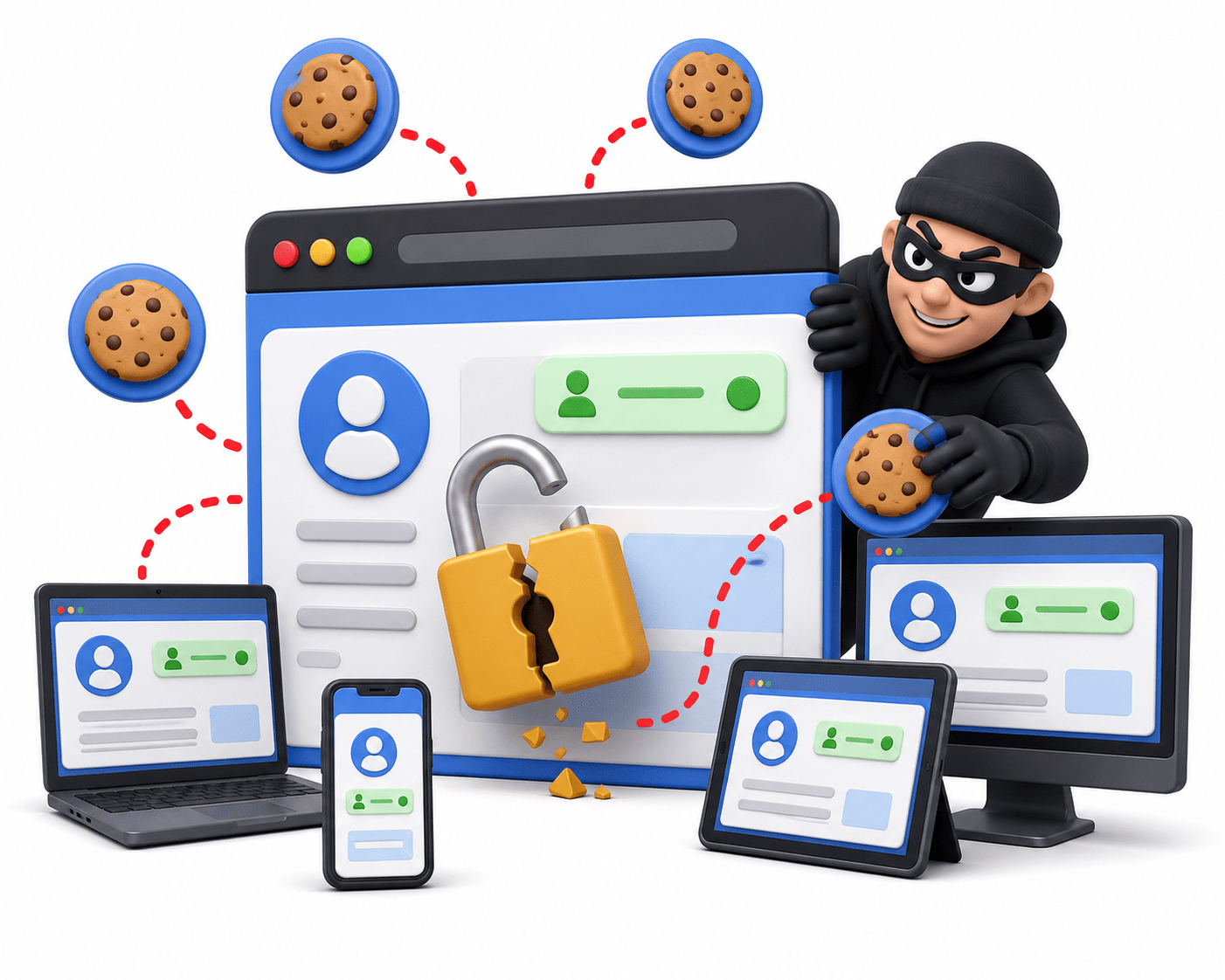
If an attacker steals this token, they may be able to act as you without knowing your password.
Introduction to Session Management
Objectives
Maintain user identity
Track authenticated users
Manage sessions
Enforce access controls
What is Session Management?
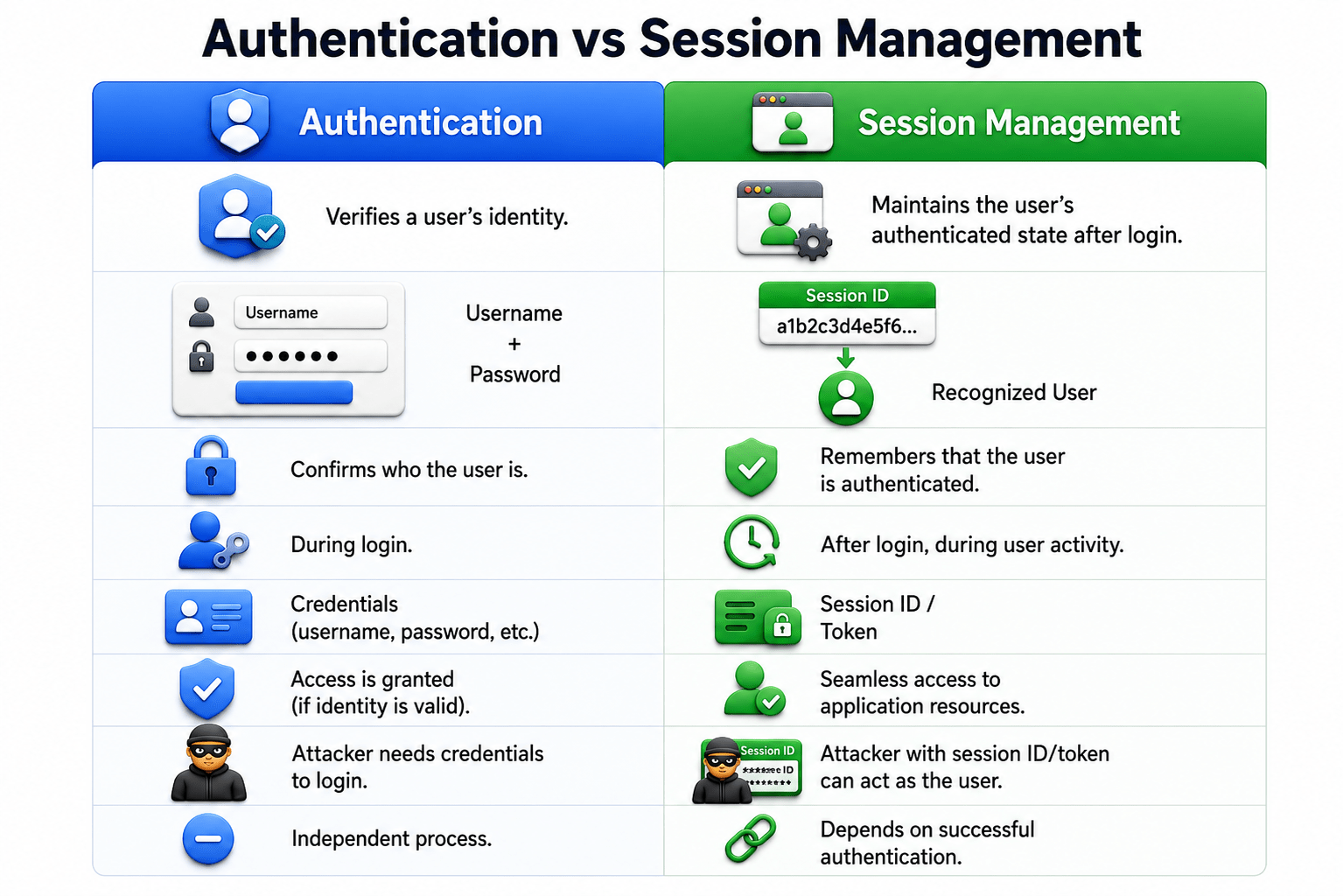
Session management maintains a user's identity and interaction after login.
It allows applications to recognize users across multiple requests.
Why It Is Important
Keeps users securely authenticated during their session.
Supports access control and activity tracking.
Weak session management can allow user impersonation.
Authentication vs Session Management
Session Fundamentals
What is a Session?
A session is a temporary connection between a user and a web application.
It helps the application recognize users across multiple requests.
Session Lifecycle
Login → Session Created → User Activity → Expiration → Logout
Proper lifecycle management reduces security risks.
Session IDs
Unique identifiers that connect requests to a user's session.
Should be random, unique, and unpredictable.
Session Storage
Server-Side: Session data stored on the server.
Client-Side: Session data stored in the browser.
Hybrid: Combines both approaches.
Security: Protect session information from unauthorized access.
Session Tokens
Tokens used to identify and validate sessions.
Examples: Session IDs, JWTs, and authentication tokens.
Cookies and Session Handling
What are Cookies?
Cookies are small data stored by browsers and sent with future requests.
Used for session tracking, preferences, and authentication.
Session vs Persistent Cookies
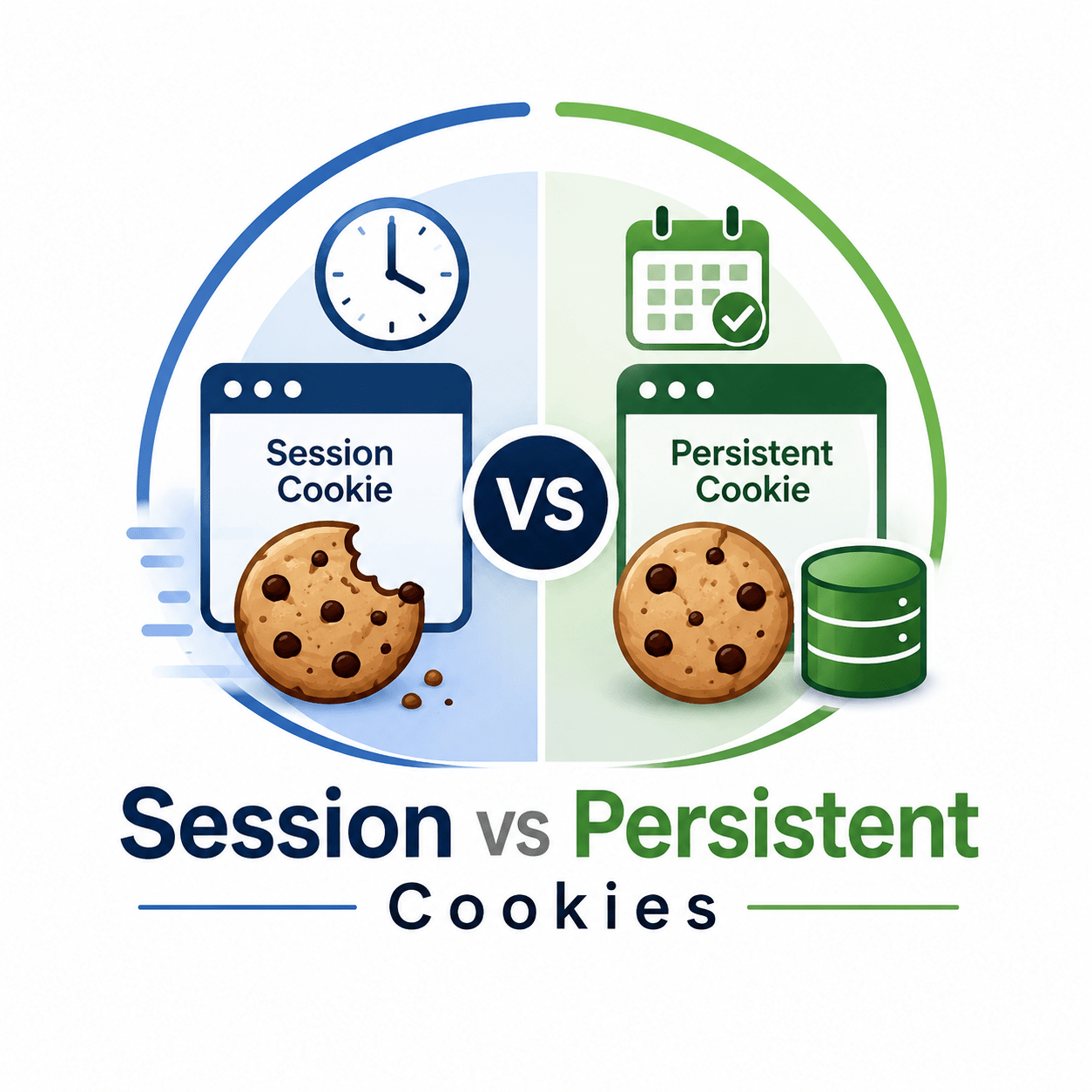
Session Cookies: Temporary; usually removed when the browser closes.
Persistent Cookies: Remain until their expiry date or deletion.
Persistent cookies provide convenience but can have greater exposure if stolen.
Cookie Security Attributes
Secure
Sends cookies only over HTTPS.
Helps prevent interception.
HttpOnly
Prevents JavaScript from accessing cookies.
Reduces the risk of script-based cookie theft.
Session Management Vulnerabilities
Weak Session IDs
Predictable Session Tokens
Tokens follow recognizable patterns.
May allow session guessing and account compromise.
Session Disclosure
Session Fixation
Session Hijacking
Session Replay
Improper Session Termination
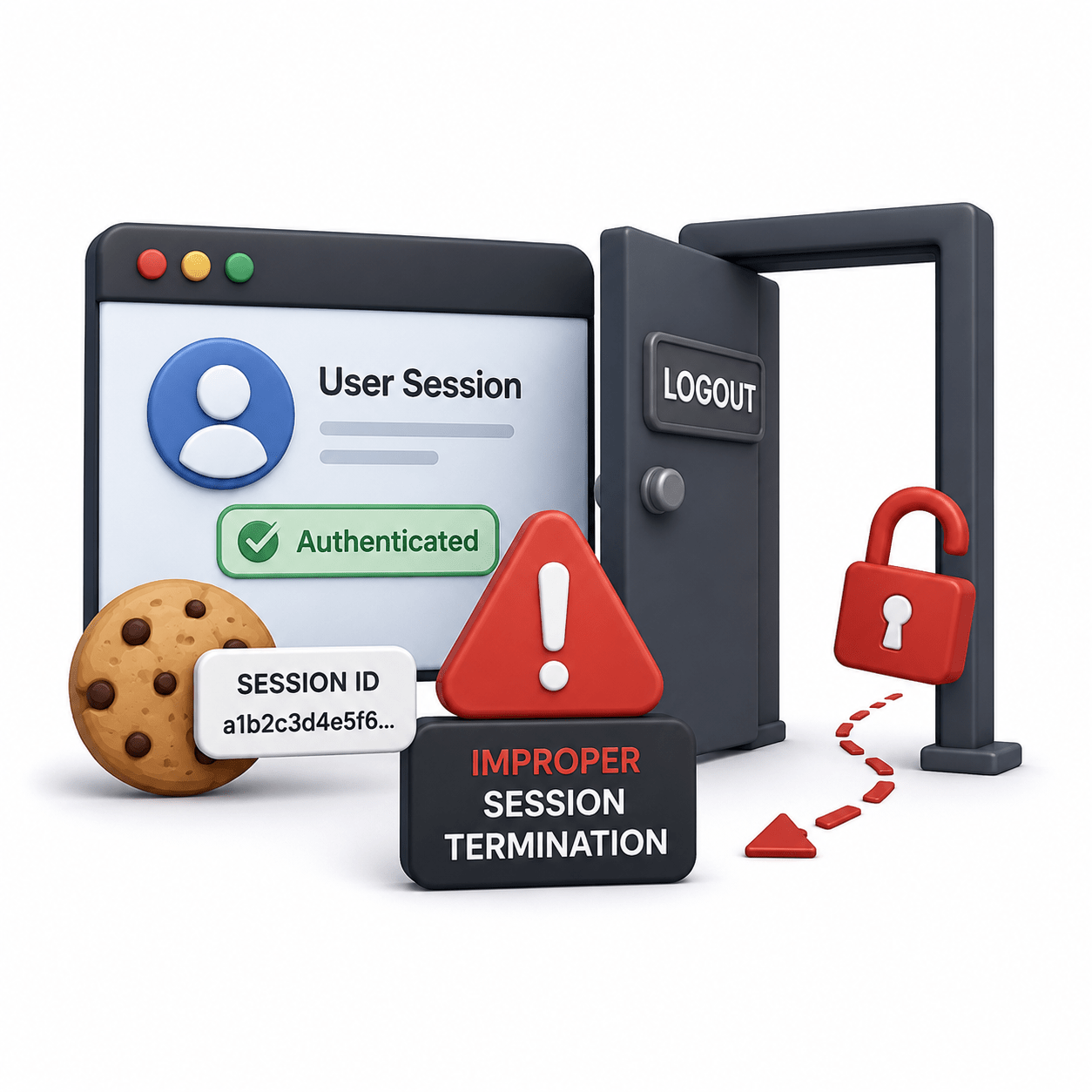
Sessions remain active after logout or expiration.
Can allow continued unauthorized access.
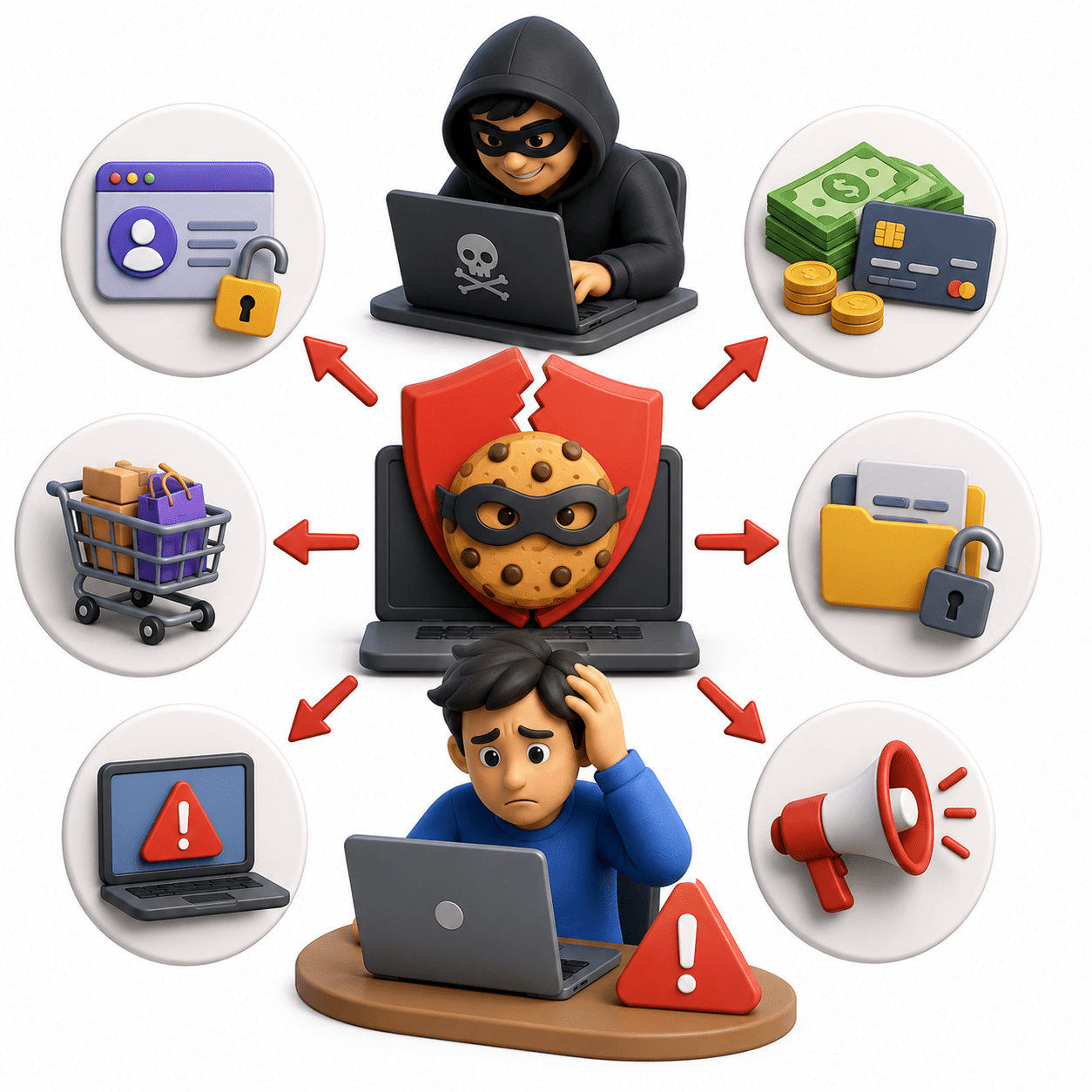
Session Hijacking Concepts
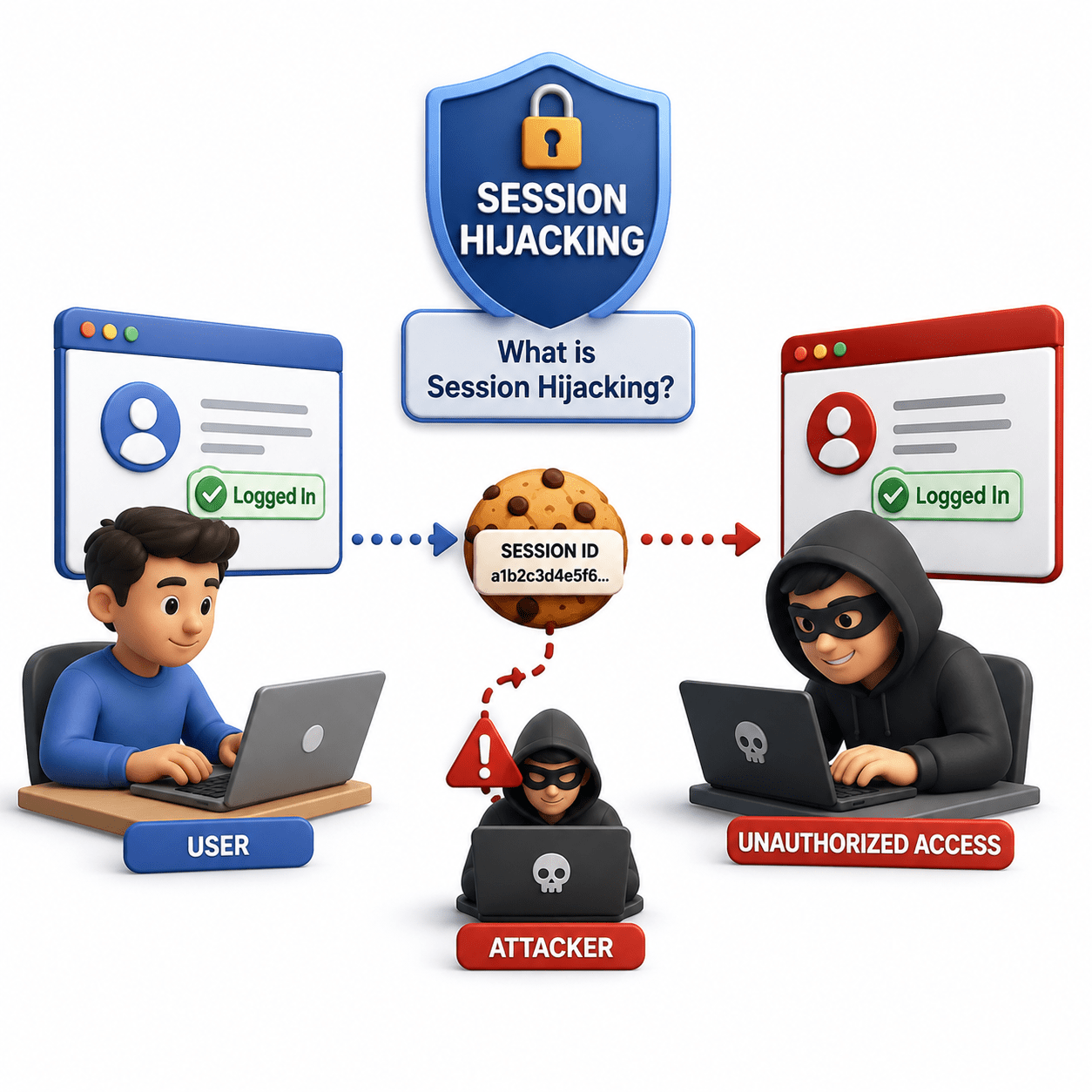
What is Session Hijacking?
Occurs when an attacker obtains a valid session token and impersonates a user.
Allows unauthorized access without knowing the user's password.
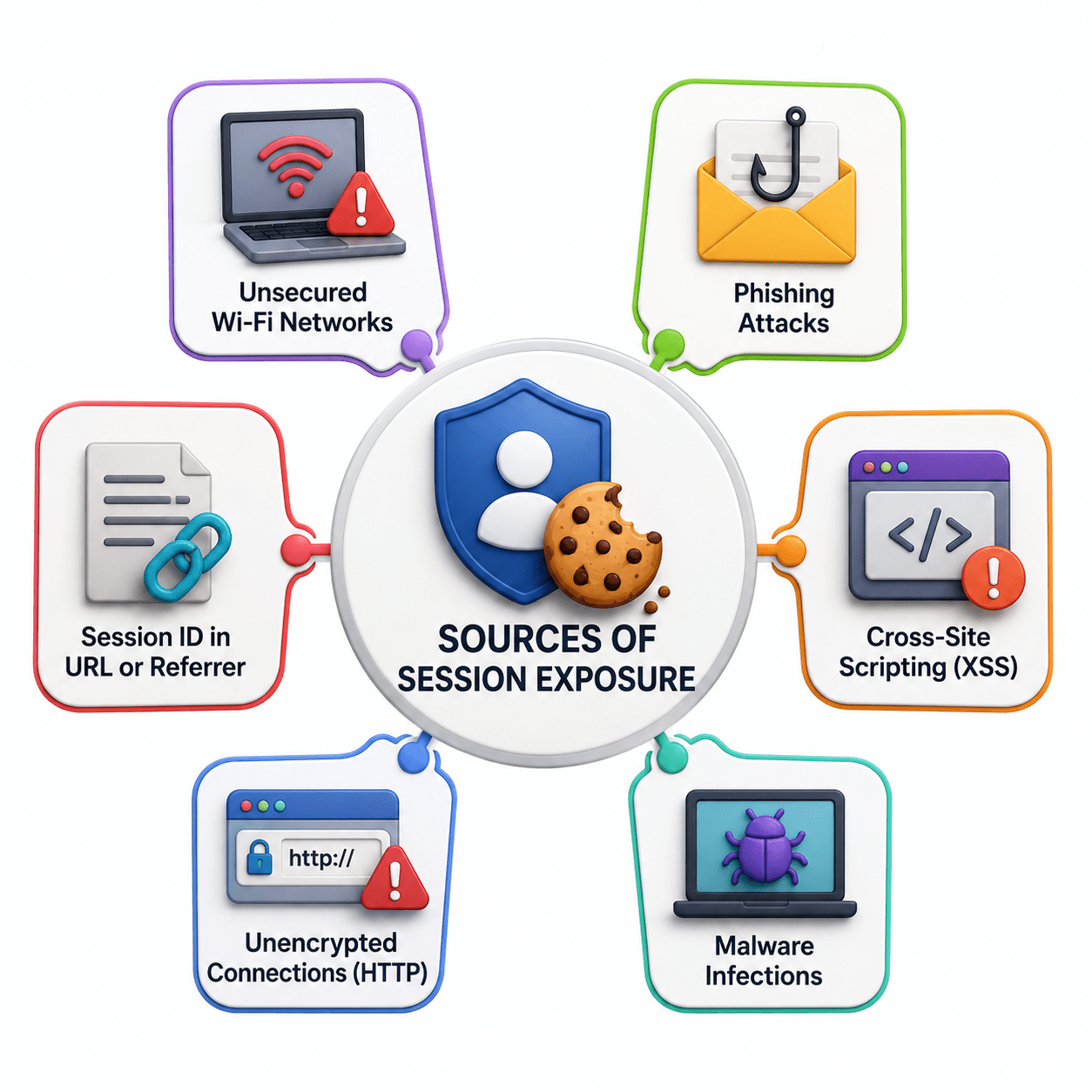
Sources of Session Exposure
Insecure networks
Browser storage
Logs
Application vulnerabilities
Misconfigurations
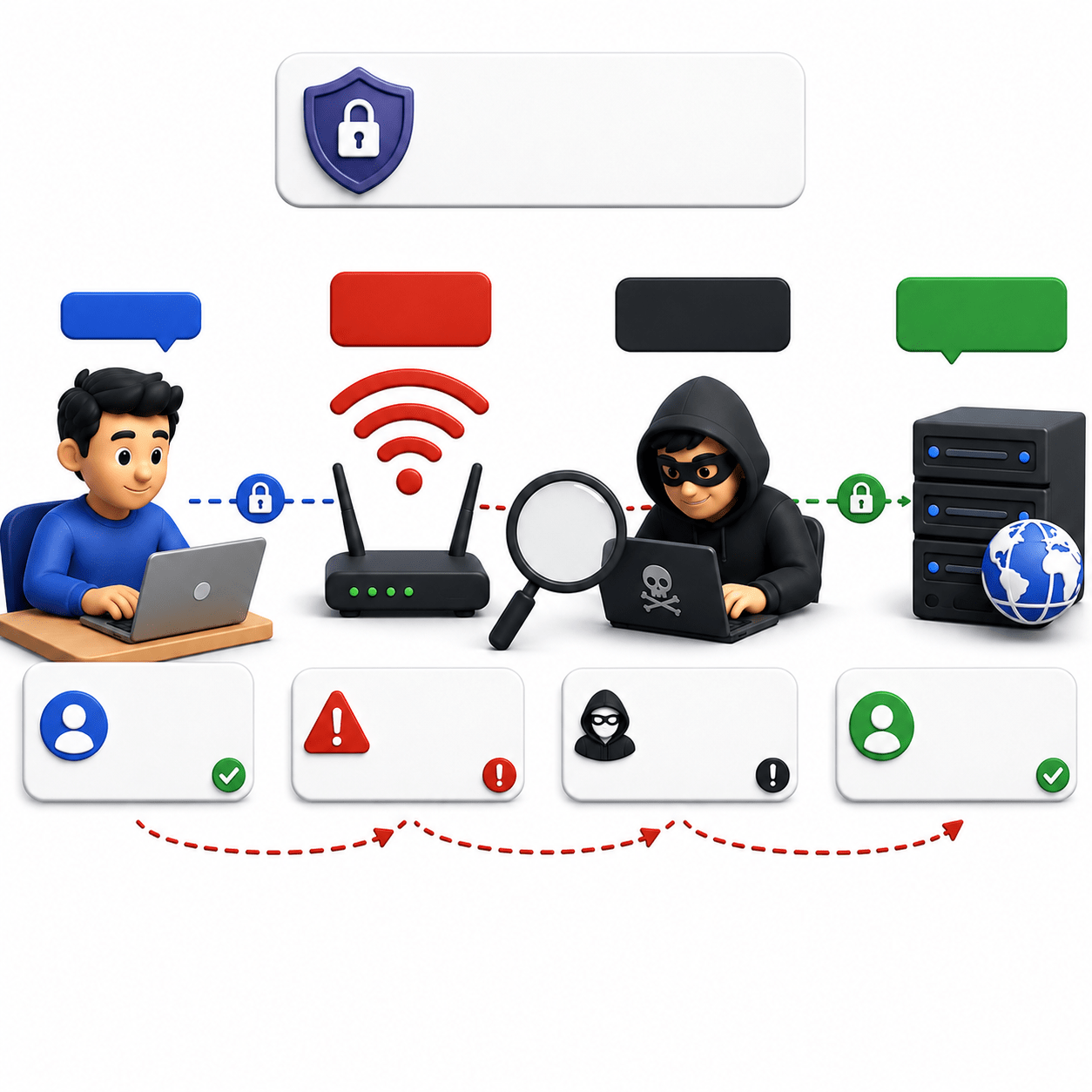
Network-Based Session Theft
Session information is intercepted during transmission.
Prevention: Use HTTPS for all communications.
Client-Side Session Theft
Session data is stolen from the user's device.
Examples: Malware, browser vulnerabilities, and insecure storage.
Impact of Session Hijacking
Account takeover
Unauthorized data access
Privilege abuse
Unauthorized actions
Can cause security incidents and loss of trust.
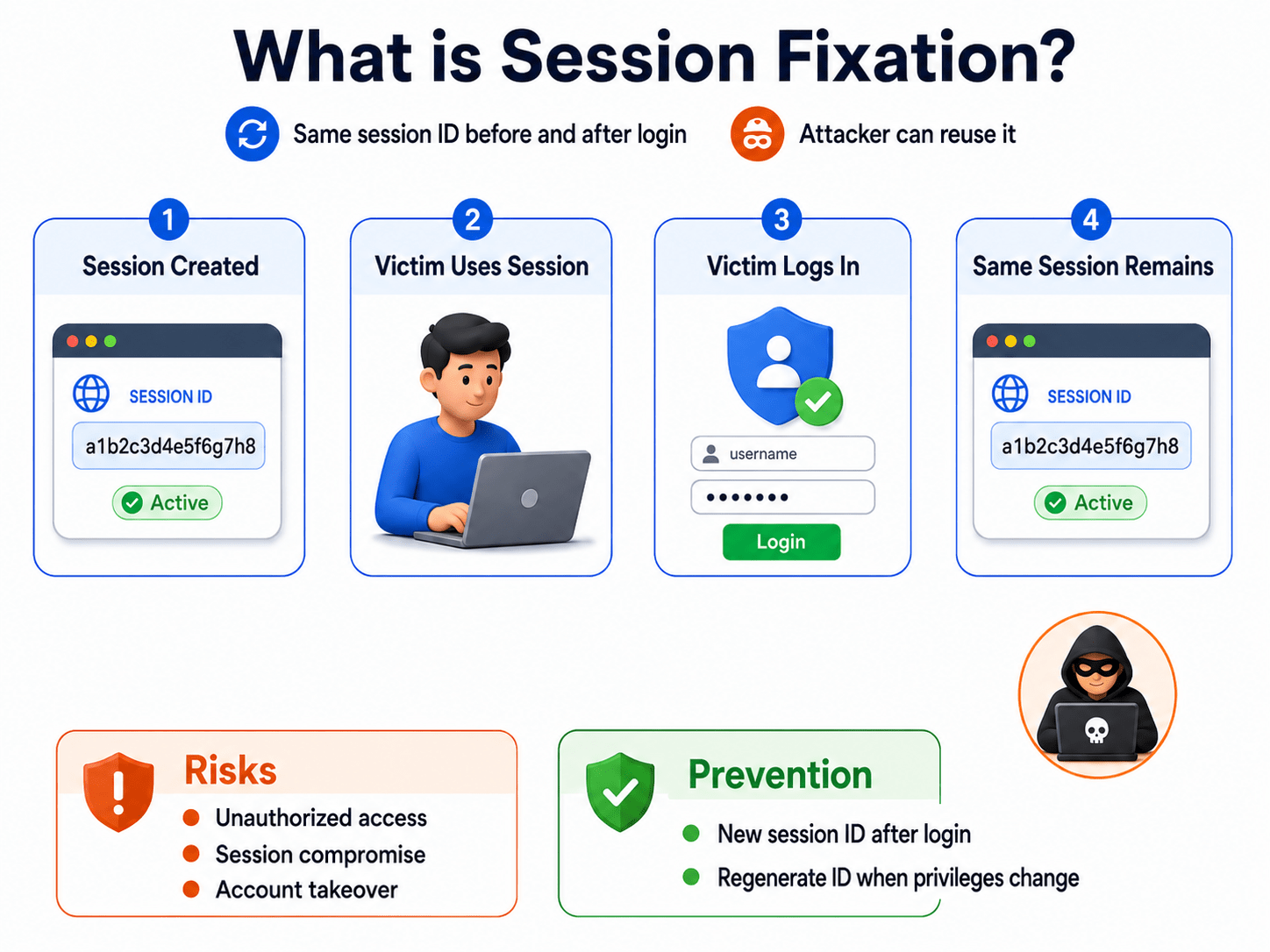
Session Fixation
How Session Fixation works?
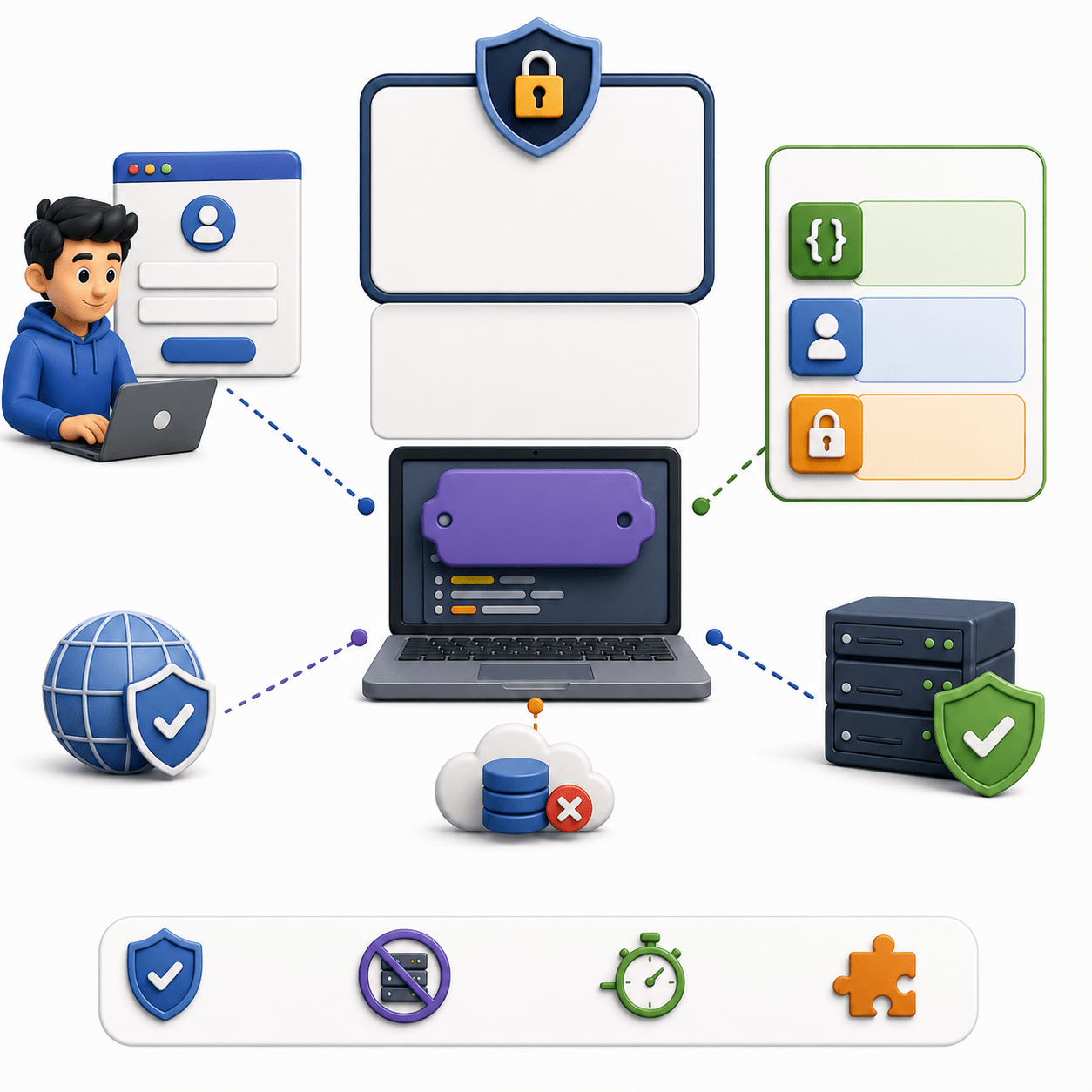
JWT and Modern Session Management
What is JWT?
JWT is a compact token format used to securely transmit information.
Commonly used for authentication, authorization, and APIs.
1
JWT Structure
Header: Token metadata.
Payload: Claims and user information.
Signature: Verifies token integrity.
2
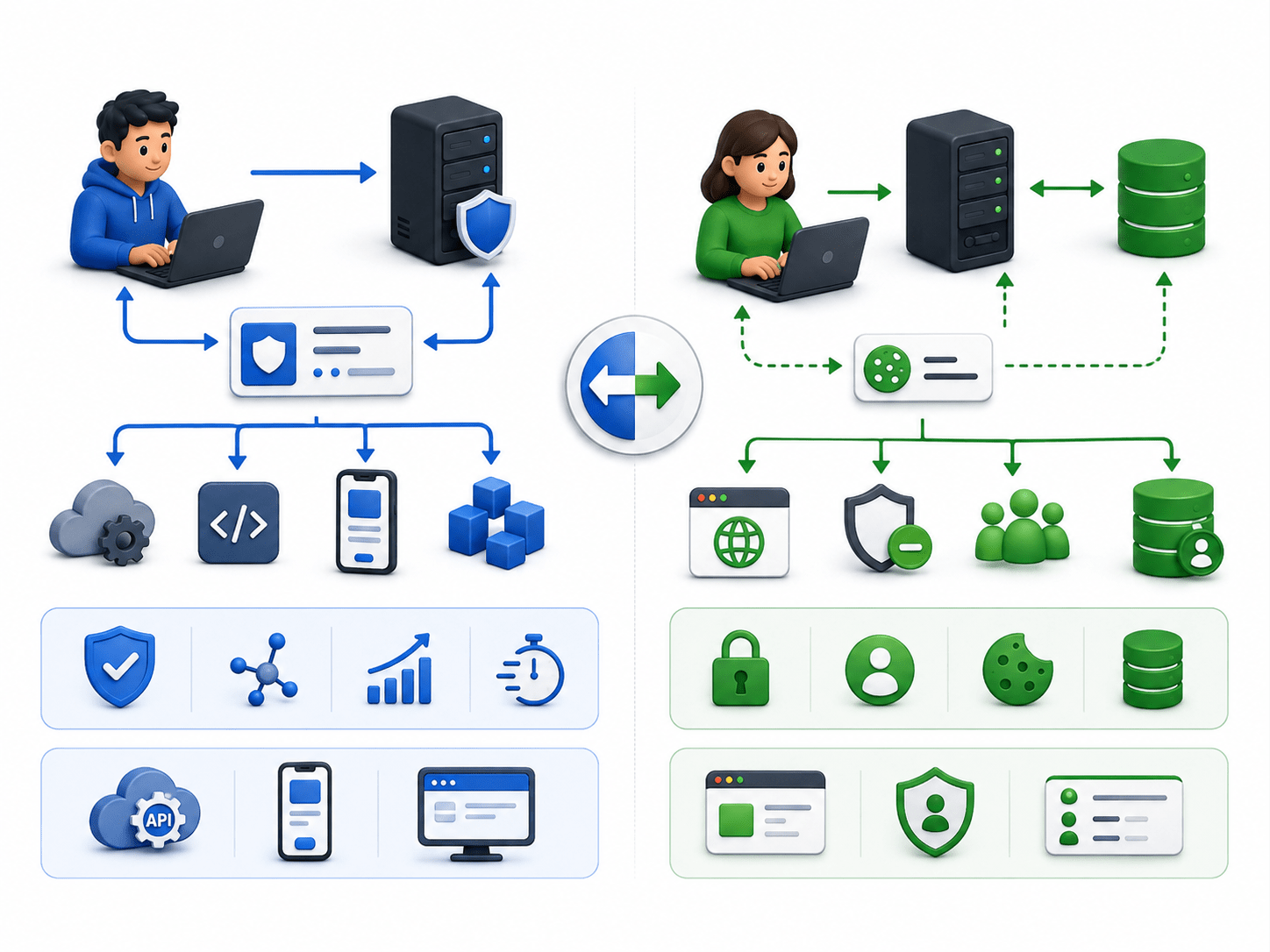
JWT vs Session-Based Authentication
JWT: Authentication data is carried in the token; no server-side session storage is required.
3
JWT Storage
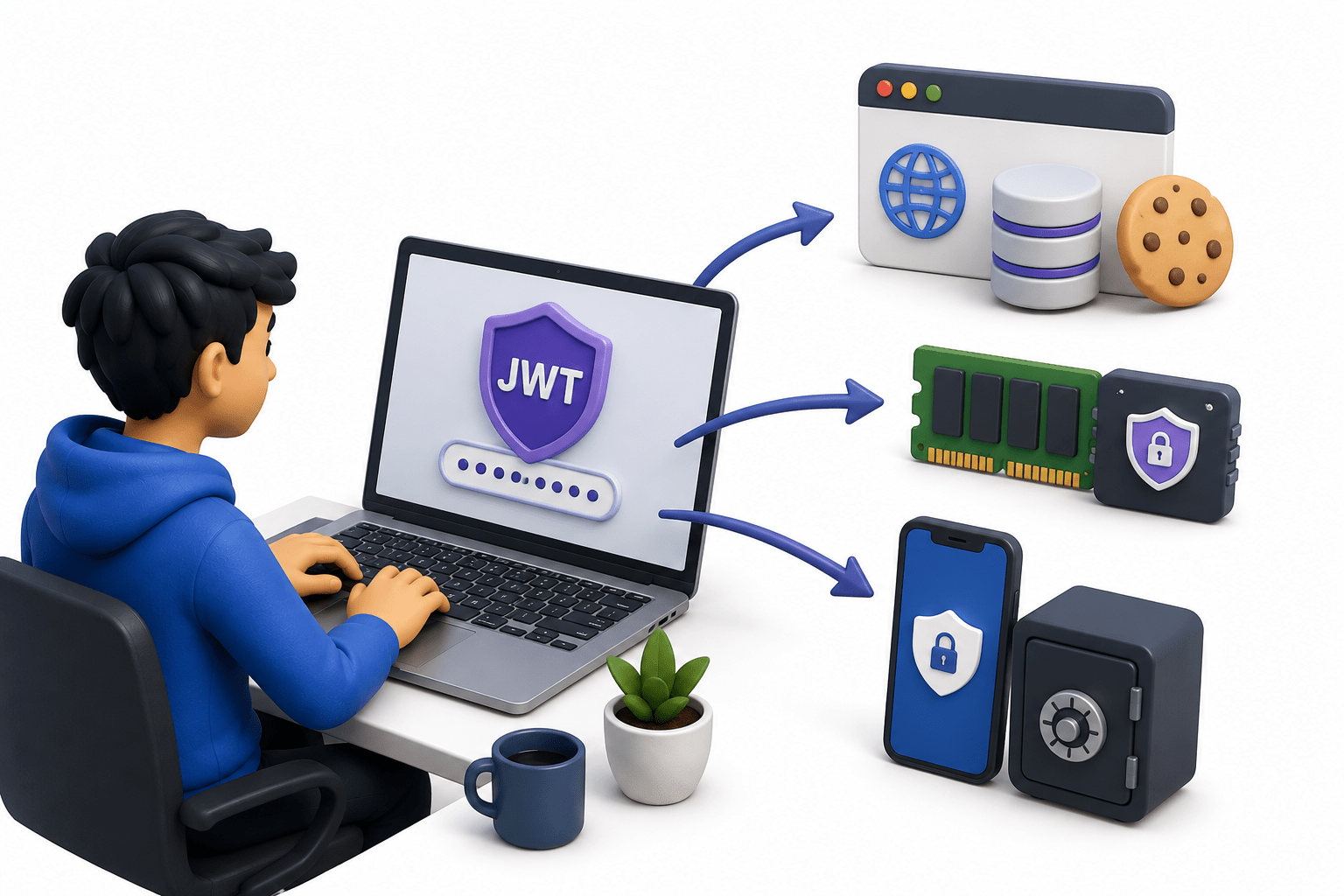
Common locations: Cookies, browser storage, or memory.
Tokens should be protected from unauthorized access.
4
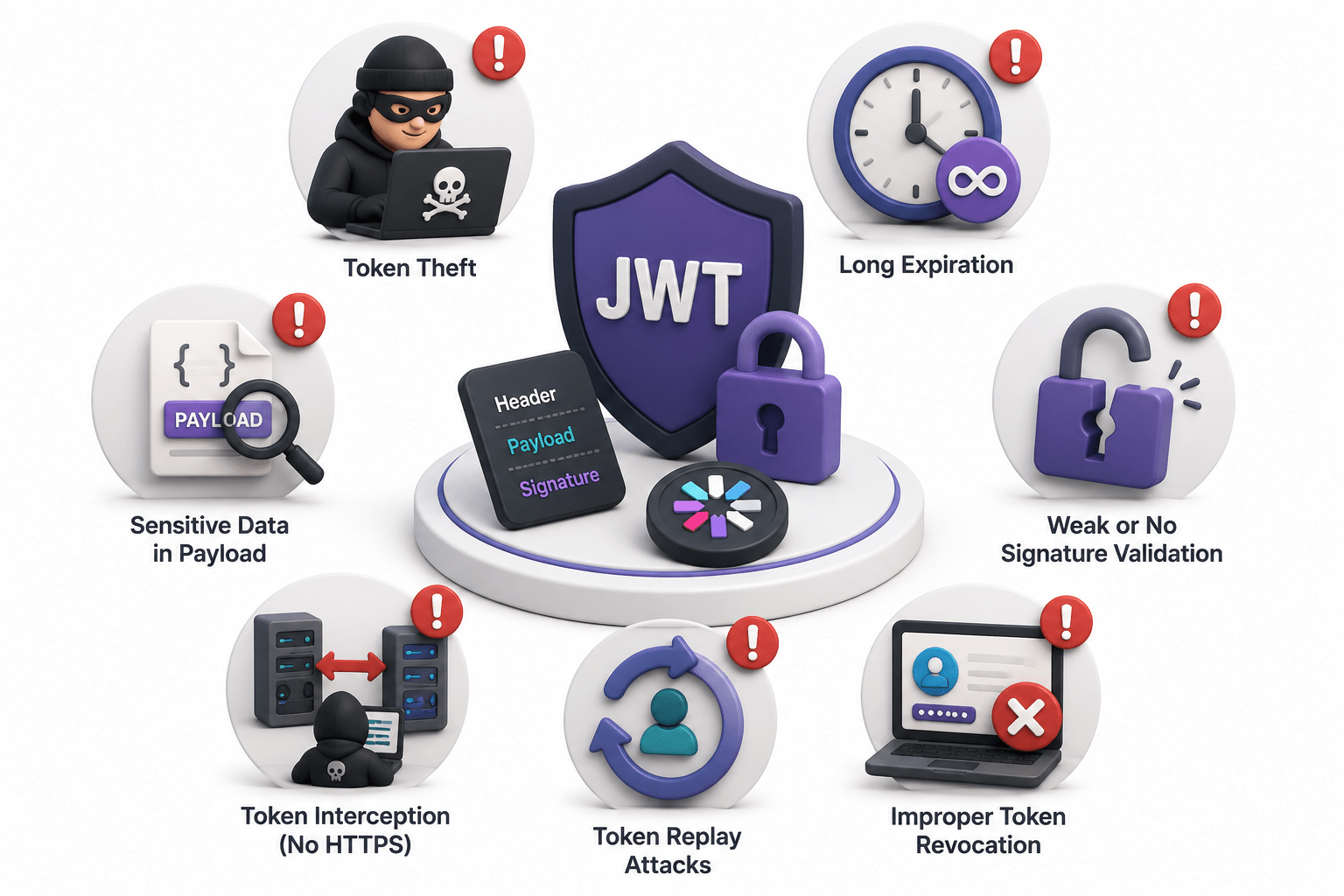
Common JWT Risks
Weak signing keys
Long token lifetimes
Improper validation
5
Token exposure
Single Sign-On (SSO) and Federated Authentication
Benefits of SSO
Improved user experience
Reduced password fatigue
Centralized access management
Simplified authentication
Single Sign-On (SSO)
SSO allows users to log in once and access multiple applications.
Provides convenient and centralized authentication.
Session Management in SSO
Multiple applications may maintain connected sessions.
Key considerations: session synchronization, logout, and token management.
Identity Provider and Service Provider
Identity Provider (IdP): Authenticates the user.
Service Provider (SP): Provides the requested application or service.
SSO Security Considerations
Protect authentication tokens.
Set proper session expiration.
Handle logout consistently.
Enforce proper access controls.
Session Security Testing
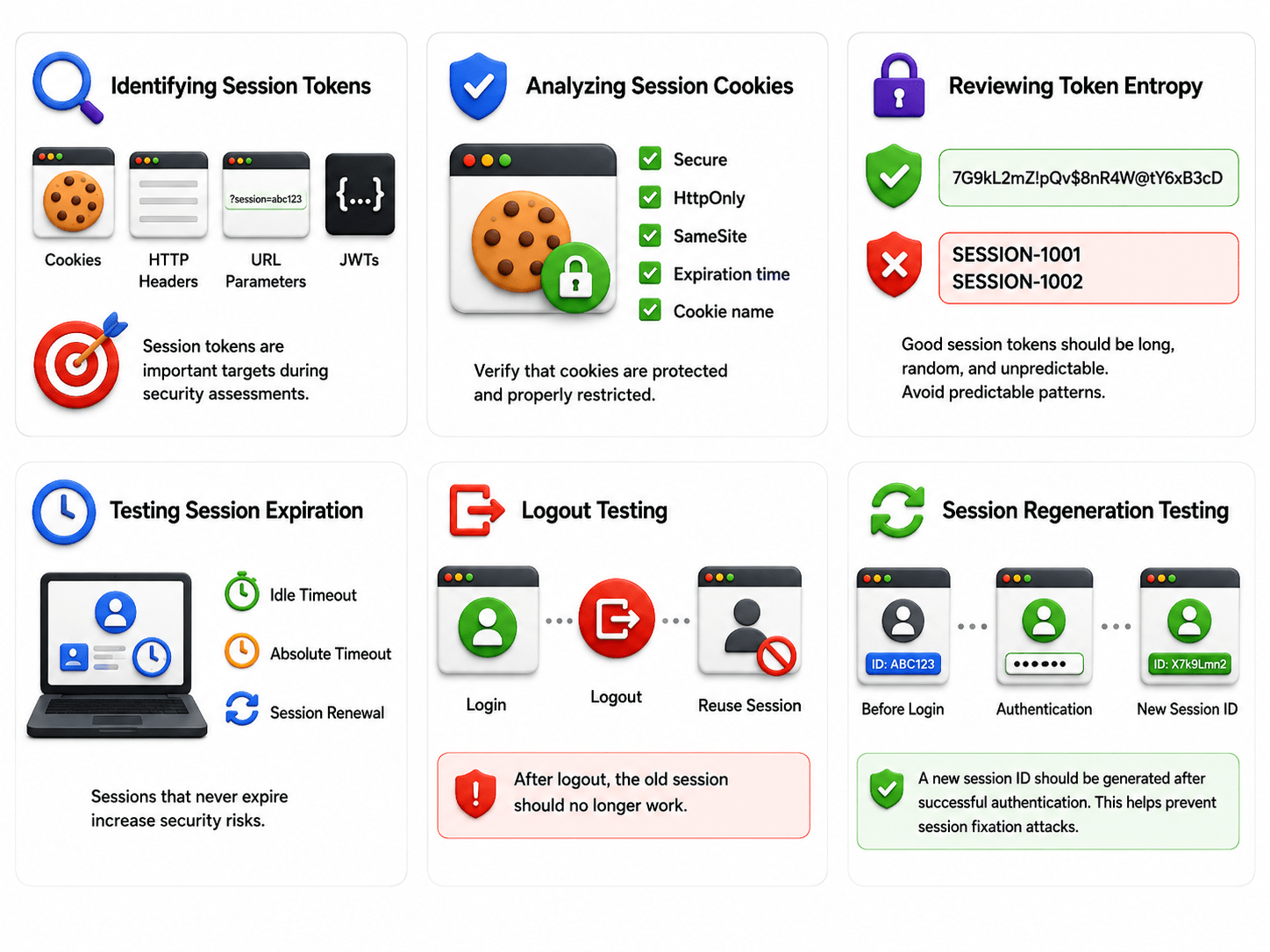
Identifying Session Token
Analyzing Session cookies
Common Session Management Weaknesses
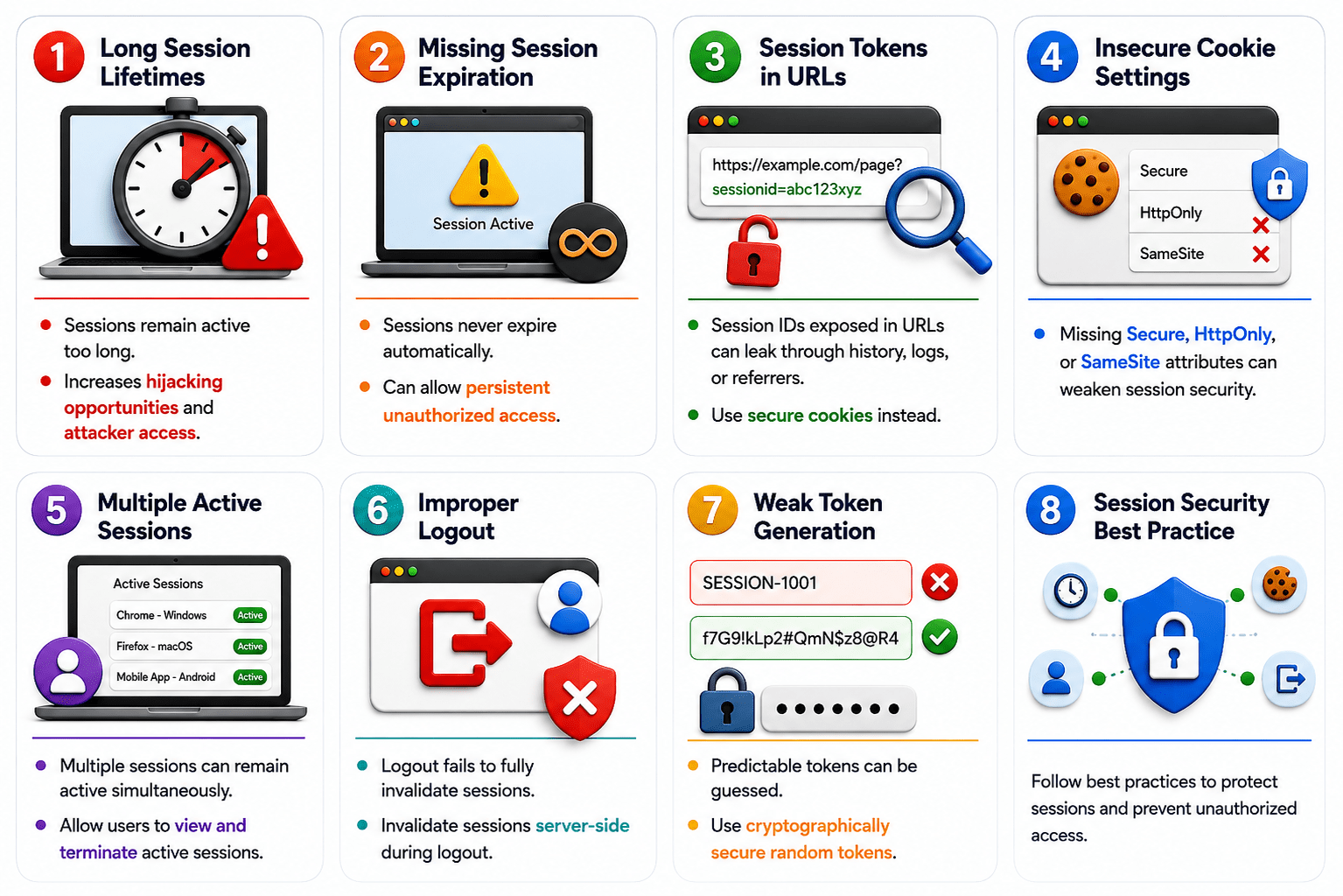
Long Session Lifetimes
Sessions remain active too long.
Increases hijacking opportunities and attacker access.
Missing Session Expiration
Sessions never expire automatically.
Can allow persistent unauthorized access.
Session Tokens in URLs
Session IDs exposed in URLs can leak through history, logs, or referrers.
Use secure cookies instead.
Insecure Cookie Settings
Missing Secure, HttpOnly, or SameSite attributes can weaken session security.
Improper Logout
Logout fails to fully invalidate sessions.
Invalidate sessions server-side during logout.
Multiple Active Sessions
Multiple sessions can remain active simultaneously.
Allow users to view and terminate active sessions.
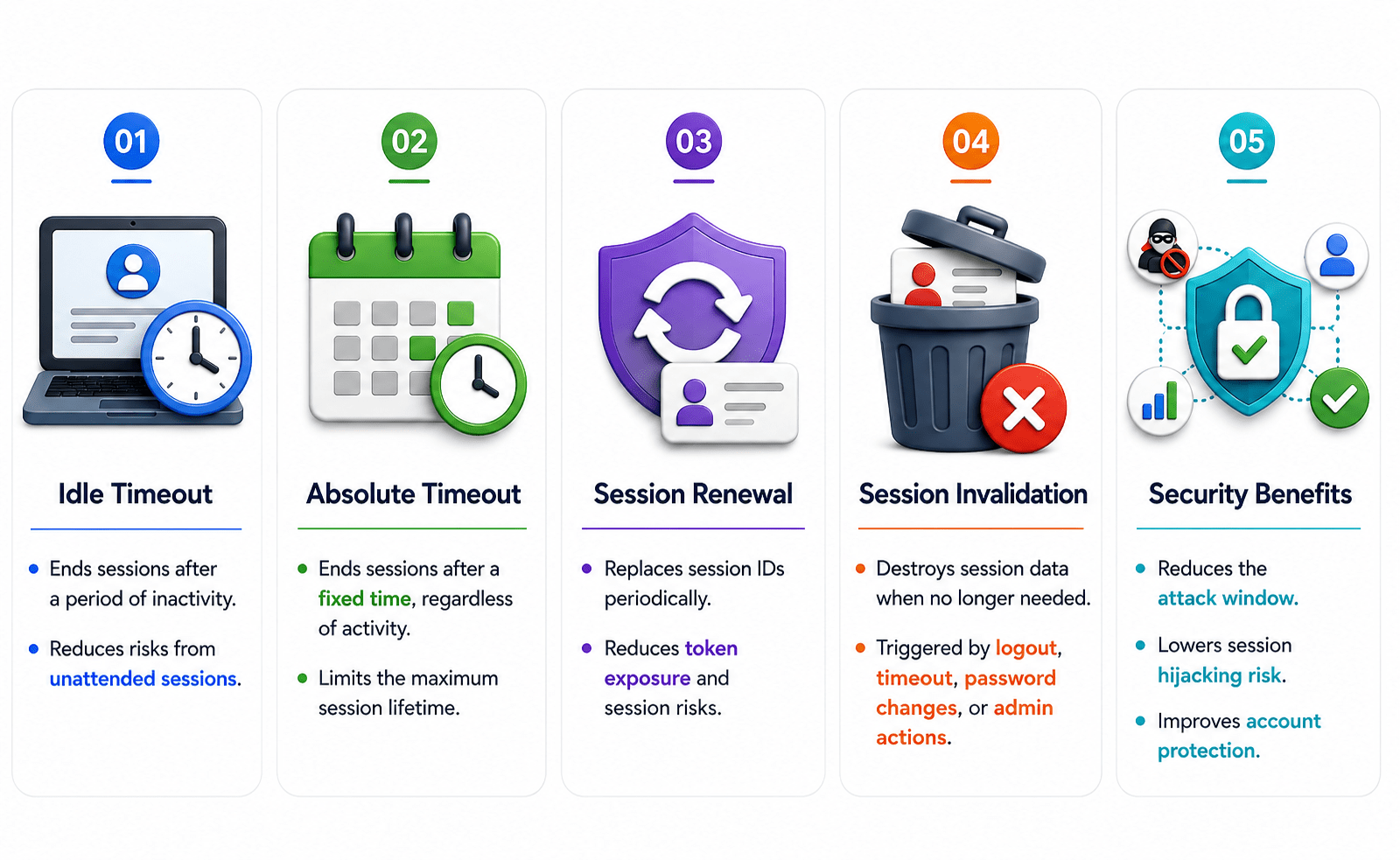
Session Timeout Management
Ends sessions after a period of inactivity.
Reduces risks from unattended sessions.
Ends sessions after a fixed time, regardless of activity.
Limits the maximum session lifetime.
Replaces session IDs periodically.
Reduces token exposure and session risks.
Destroys session data when no longer needed.
Triggered by logout, timeout, password changes, or admin actions.
Reduces the attack window.
Lowers session hijacking risk.
Improves account protection.
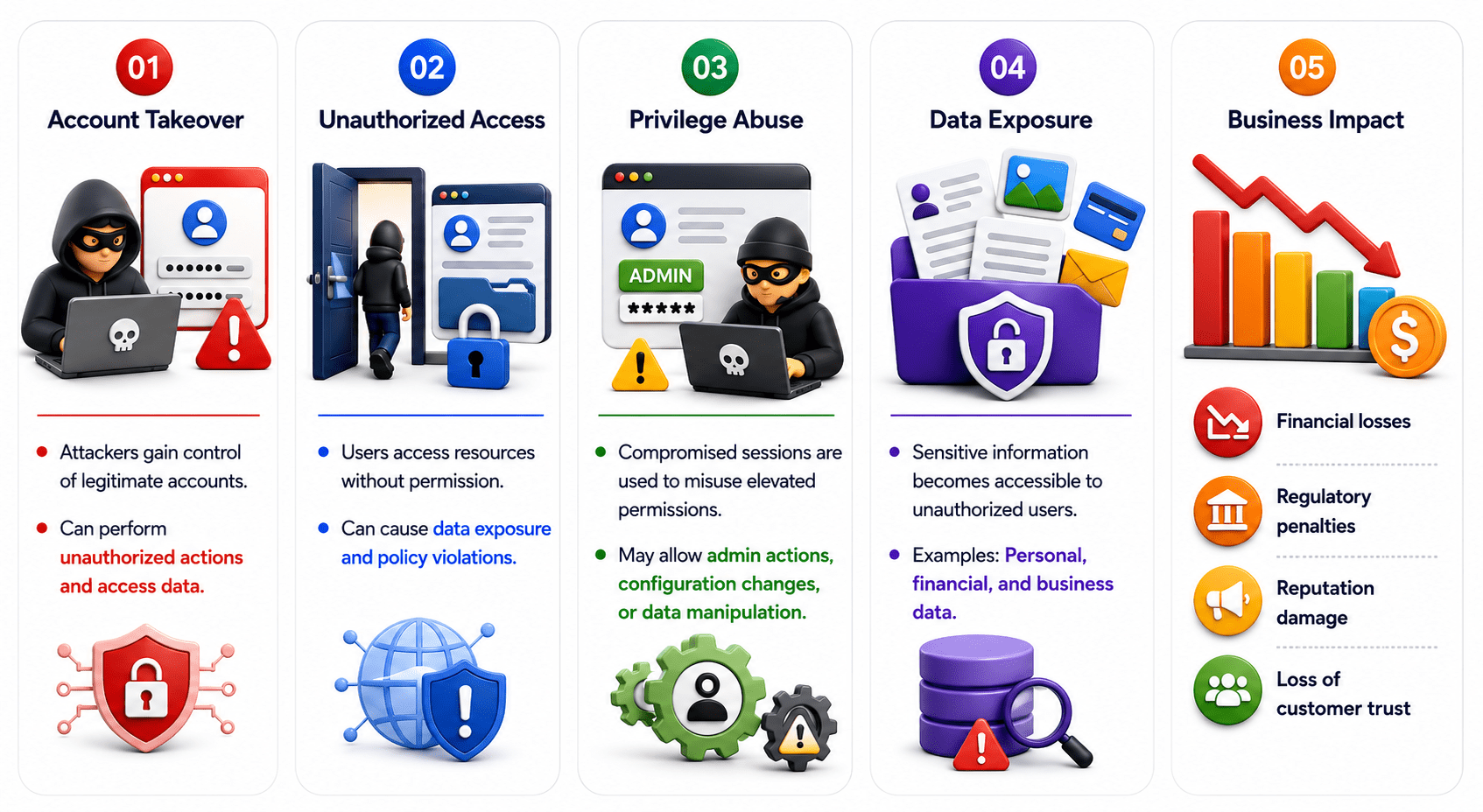
Impact of Session Management Issues
Attackers gain control of legitimate accounts.
Can perform unauthorized actions and access data.
Users access resources without permission.
Can cause data exposure and policy violations.
Compromised sessions are used to misuse elevated permissions.
May allow admin actions, configuration changes, or data manipulation.
Sensitive information becomes accessible to unauthorized users.
Examples: Personal, financial, and business data.
Financial losses
Regulatory penalties
Reputation damage
Loss of customer trust
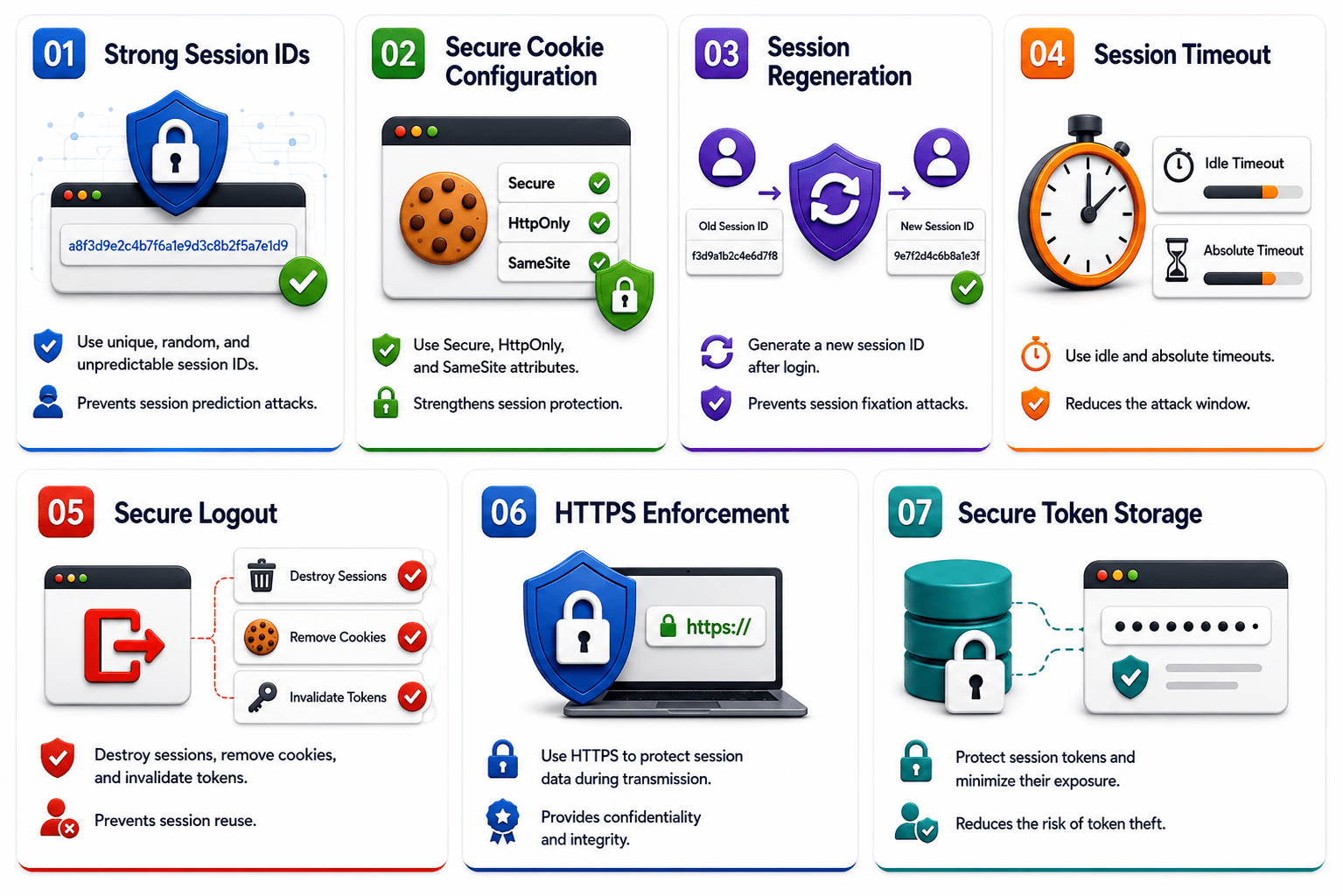
Secure Session Management Practices
Use unique, random, and unpredictable session IDs.
Prevents session prediction attacks.
Use Secure, HttpOnly, and SameSite attributes.
Strengthens session protection.
Generate a new session ID after login.
Prevents session fixation attacks.
Secure Session Management Practices
Use idle and absolute timeouts.
Reduces the attack window.
Destroy sessions, remove cookies, and invalidate tokens.
Prevents session reuse.
Use HTTPS to protect session data during transmission.
Provides confidentiality and integrity.
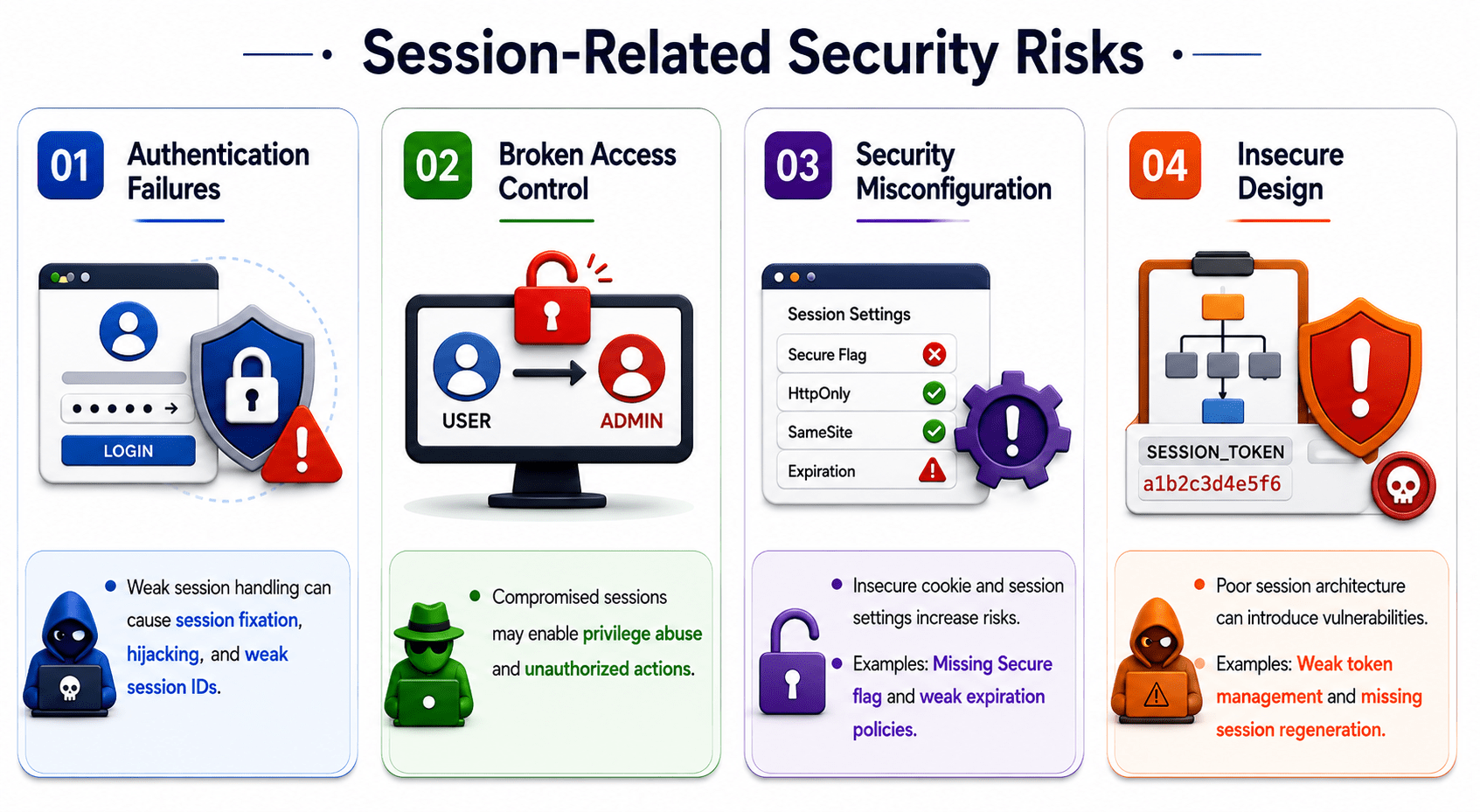
Session Management in OWASP Top 10
Weak session handling can cause session fixation, hijacking, and weak session IDs.
Compromised sessions may enable privilege abuse and unauthorized actions.
Insecure cookie and session settings increase risks.
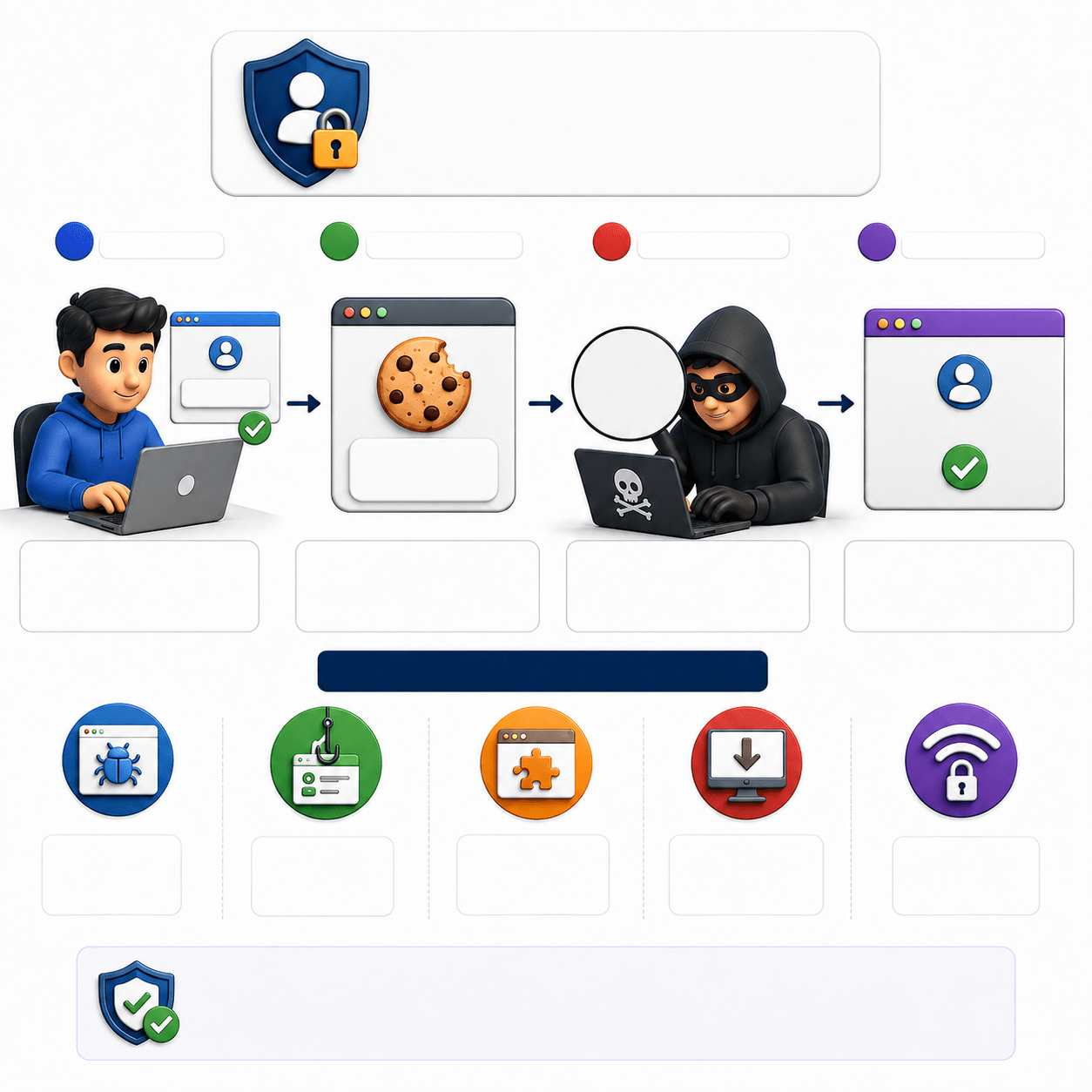
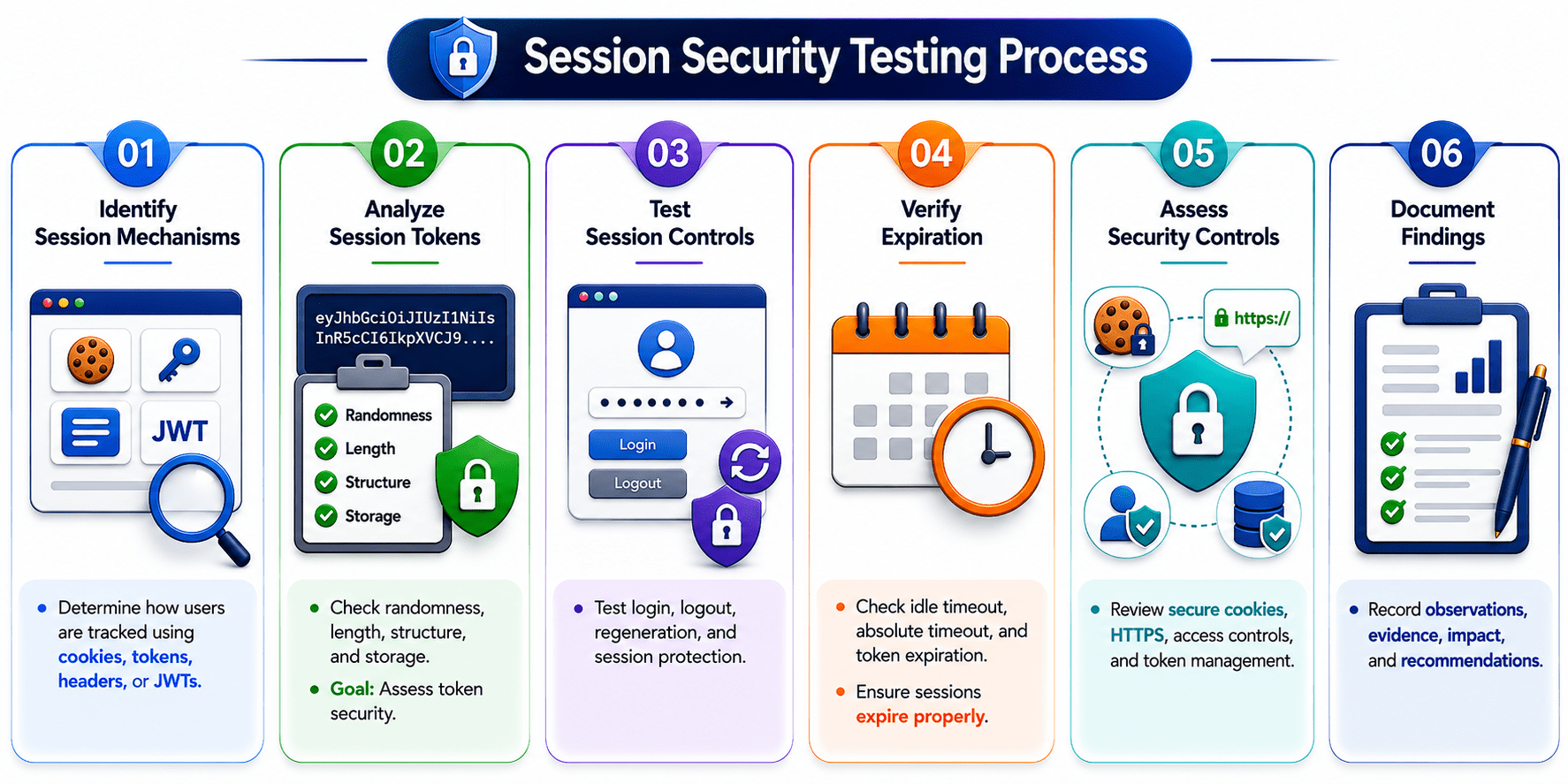
Session Management Testing Methodology
Summary
4
JWTs and SSO enable modern authentication but introduce security risks.
3
Secure, HttpOnly, and SameSite attributes strengthen session security.
2
Session IDs, cookies, and tokens help identify authenticated users.
1
Session management maintains a user's login state across requests.
Quiz
What is the primary purpose of session management?
A. Encrypt database
B. Maintain a user's authenticated state
C. Improve internet speed
D. Compress file
What is the primary purpose of session management?
A. Encrypt database
B. Maintain a user's authenticated state
C. Improve internet speed
D. Compress file
Quiz-Answer
By Content ITV