





Content ITV PRO
This is Itvedant Content department
Learning Outcome
5
Understand the benefits of DvP settlement.
4
Explain how DvP reduces settlement risk.
3
Identify key DvP participants.
2
Understand simultaneous securities and cash exchange.
1
Explain the purpose of DvP.
Delivery vs Payments
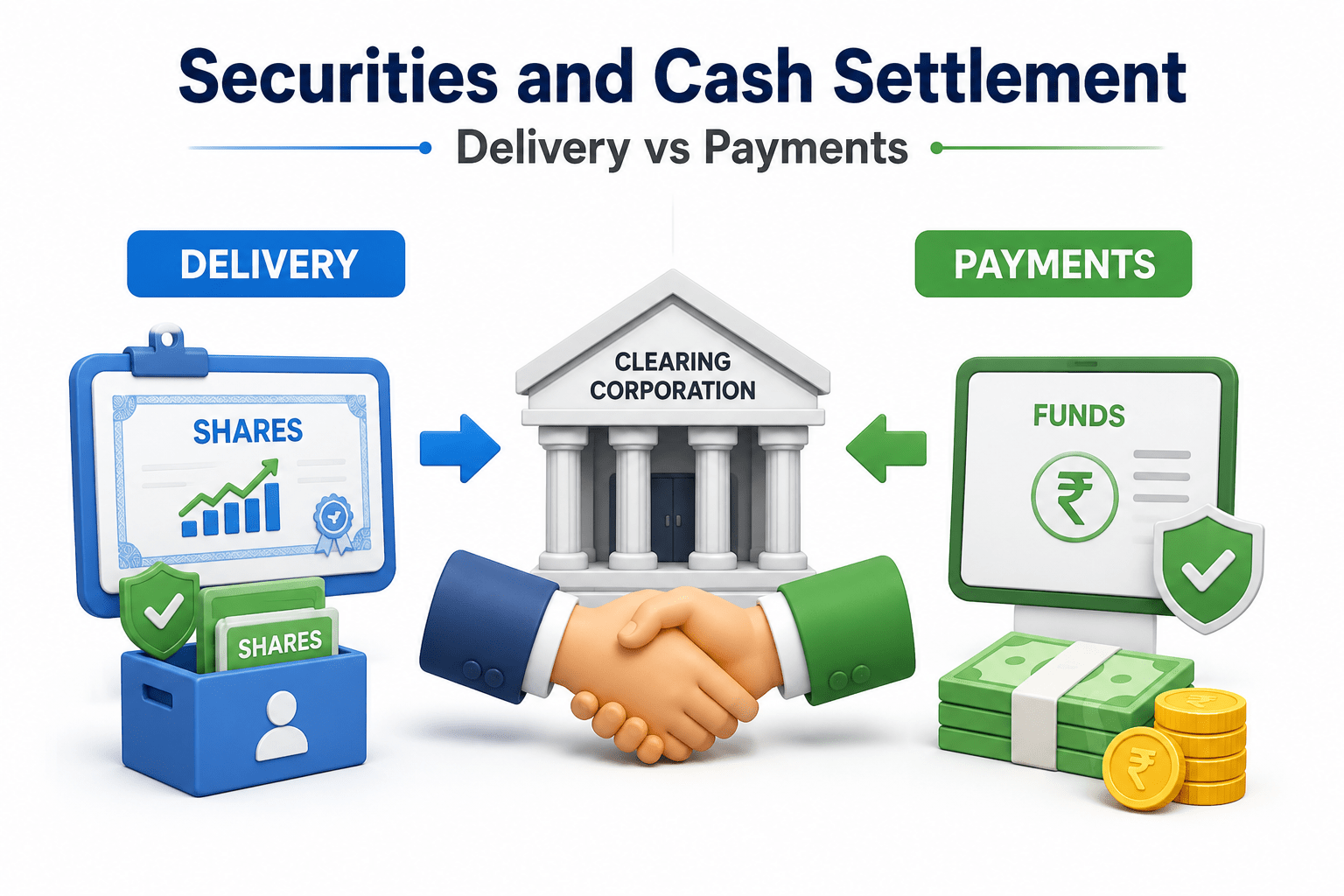
Delivery vs Payment (DvP) is a settlement method in which the transfer of securities (delivery) and the transfer of money (payment) happen at the same time.
This ensures that:
The buyer receives the securities only if the seller receives the payment.
The seller receives the payment only if the buyer receives the securities.
This reduces the risk that one party fulfills its obligation while the other does not.
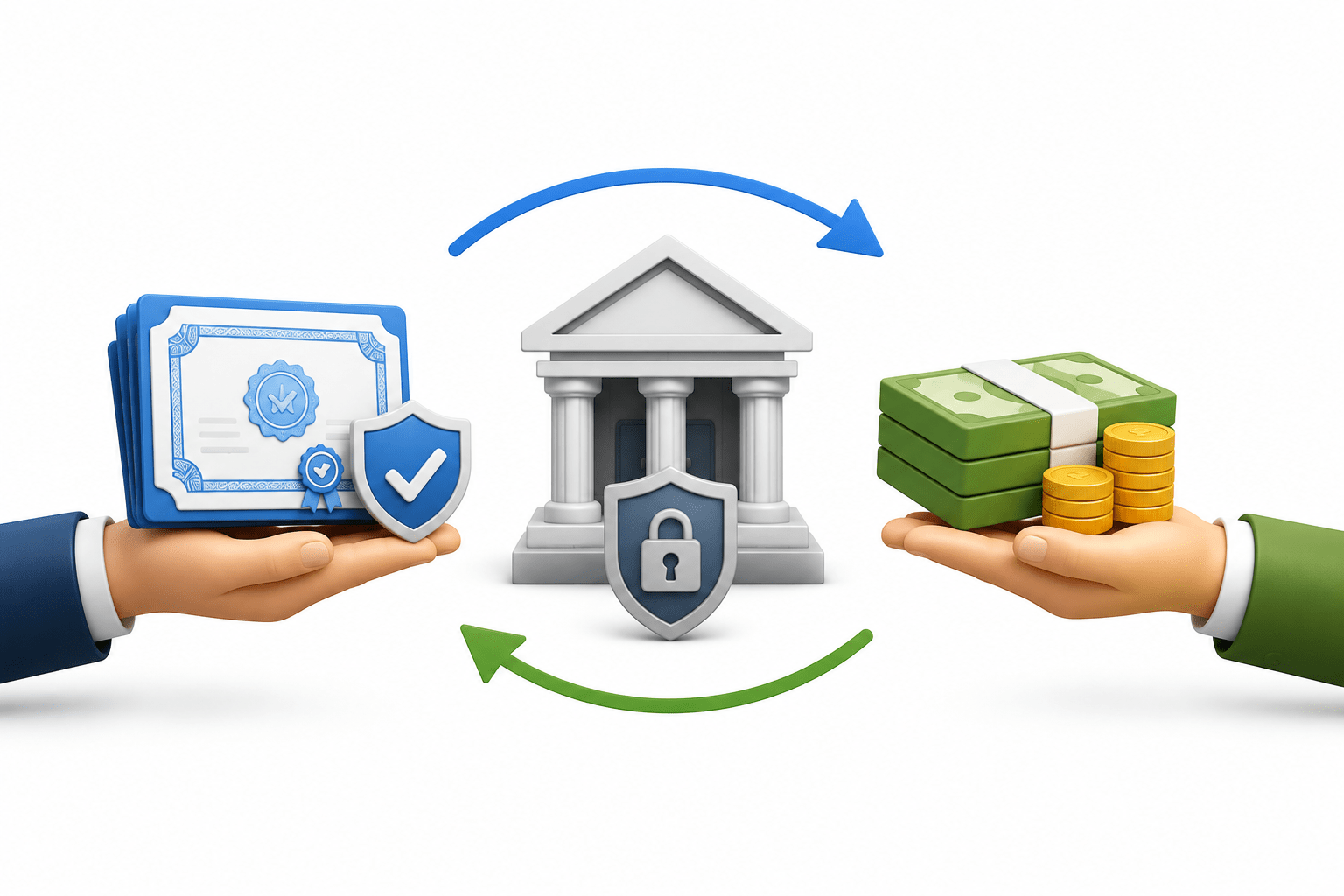
Under Delivery vs Payment (DvP), both transfers happen simultaneously. If either the securities or the payment cannot be transferred, the entire settlement is stopped.
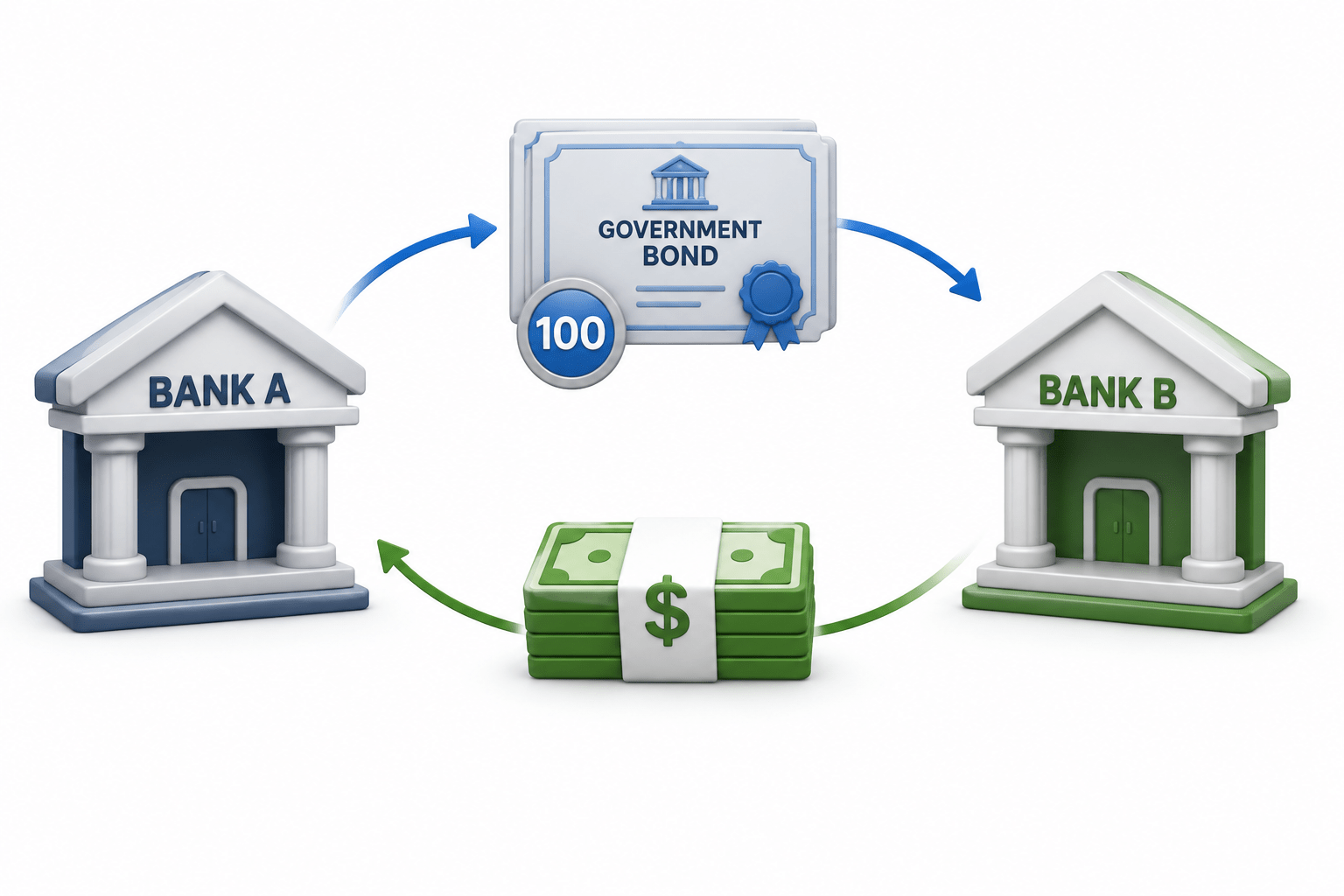
Example: Suppose Bank A sells 100 government bonds to Bank B for $1,000,000.
Delivery: Bank A transfers the 100 bonds to Bank B.
Payment: Bank B transfers $1,000,000 to Bank A.
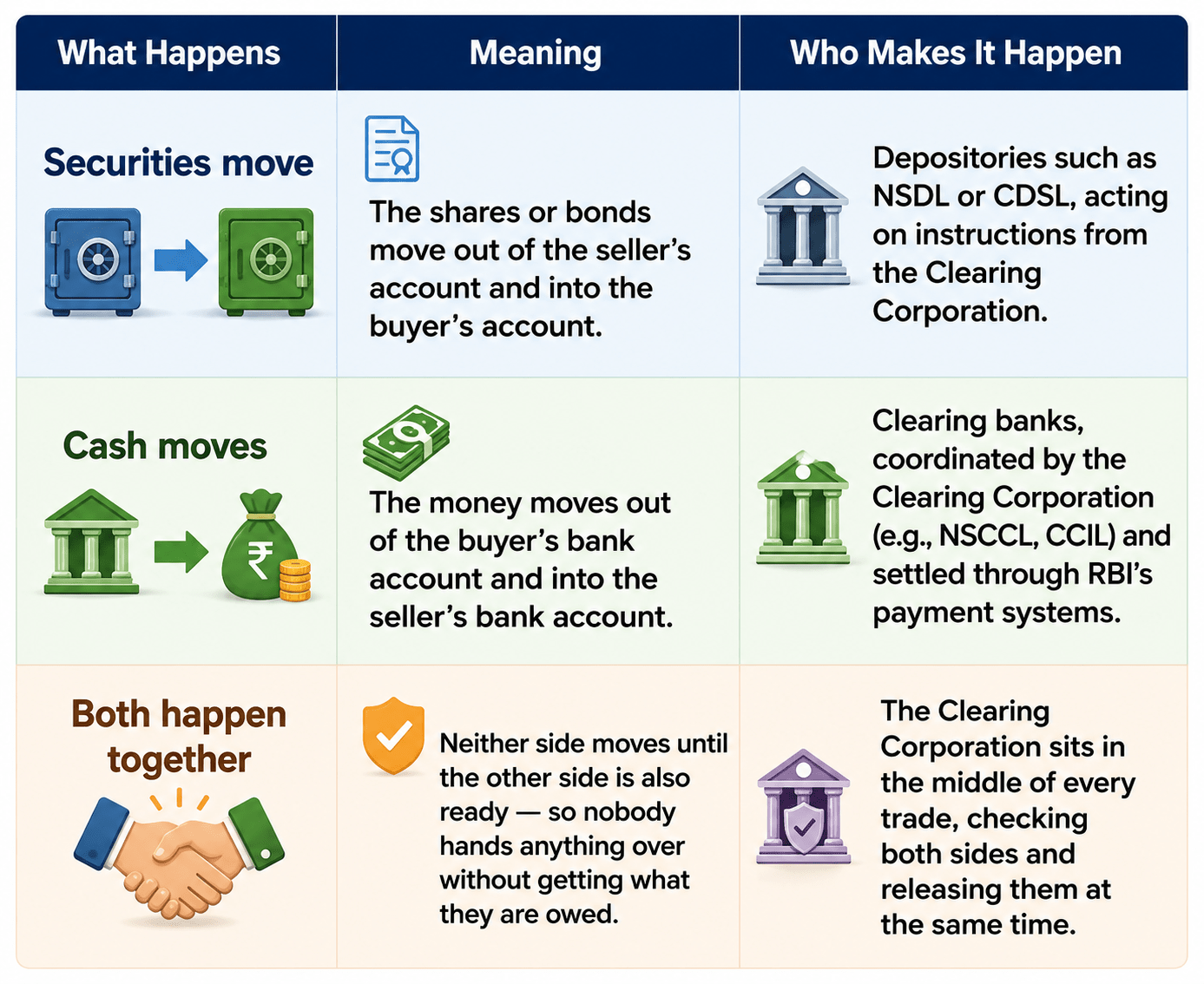
How Cash and Securities Are Exchanged
In simple terms, three things move to complete a trade — the securities, the money, and the moment they both change hands. Here is how each part works:
Benefits of DVP
DVP is widely regarded as a foundational safeguard in securities settlement because of the protection it provides to both counterparties:
1. Eliminates principal risk – Securities and payment are exchanged at the same time, so neither party loses both the securities and the money.
2. Reduces counterparty credit risk – If one party cannot complete the settlement, the other party does not lose the full value of the trade.
3. Increases settlement certainty –
Once the exchange of securities and payment is completed, the settlement is final, reducing the chances of disputes.
4. Builds market confidence – Investors and financial institutions can trade with greater confidence because the settlement process protects both parties.
5. Follows global standards – DVP is an internationally accepted settlement method and is used by market infrastructures such as CCIL, NSDL, and CDSL to ensure safe and reliable settlements.
Summary
5
DvP is a globally accepted settlement method.
4
DvP reduces settlement and counterparty risk.
3
Clearing corporations coordinate both transfers.
2
Depositories move securities; banks move cash.
1
DvP exchanges securities and payment together.
Quiz
Who coordinates the simultaneous exchange of securities and cash in a DvP settlement?
A. The stock exchange
B. The issuer of the security
C. The Clearing Corporation
D. The investor
Quiz-Answer
Who coordinates the simultaneous exchange of securities and cash in a DvP settlement?
A. The stock exchange
B. The issuer of the security
C. The Clearing Corporation
D. The investor
By Content ITV