











Ishanu Chattopadhyay PRO
ML | Data Science Biomedical Informatics | Social Science | Assistant Professor
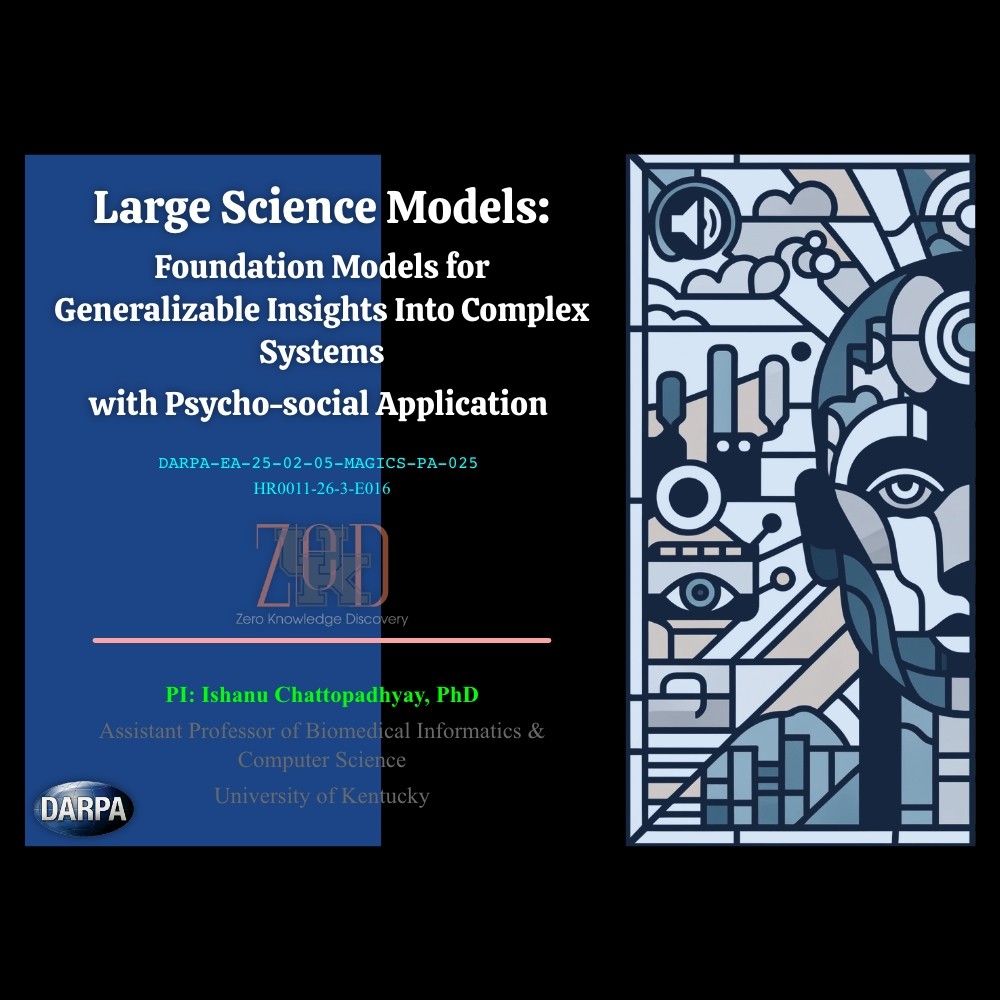
PI: Ishanu Chattopadhyay, PhD
Assistant Professor of Biomedical Informatics & Computer Science
University of Kentucky
DARPA-EA-25-02-05-MAGICS-PA-025
HR0011-26-3-E016
July 2026Data inference boundaries & limitations
Alignment validation
Complex phenomena
Adaptation to model obsolence
Psychosocial domain limitations
Precise validation protocols to assess process drift triggering re-calibration/training
Built-in flexibility for changing contexts and non-ergodicity
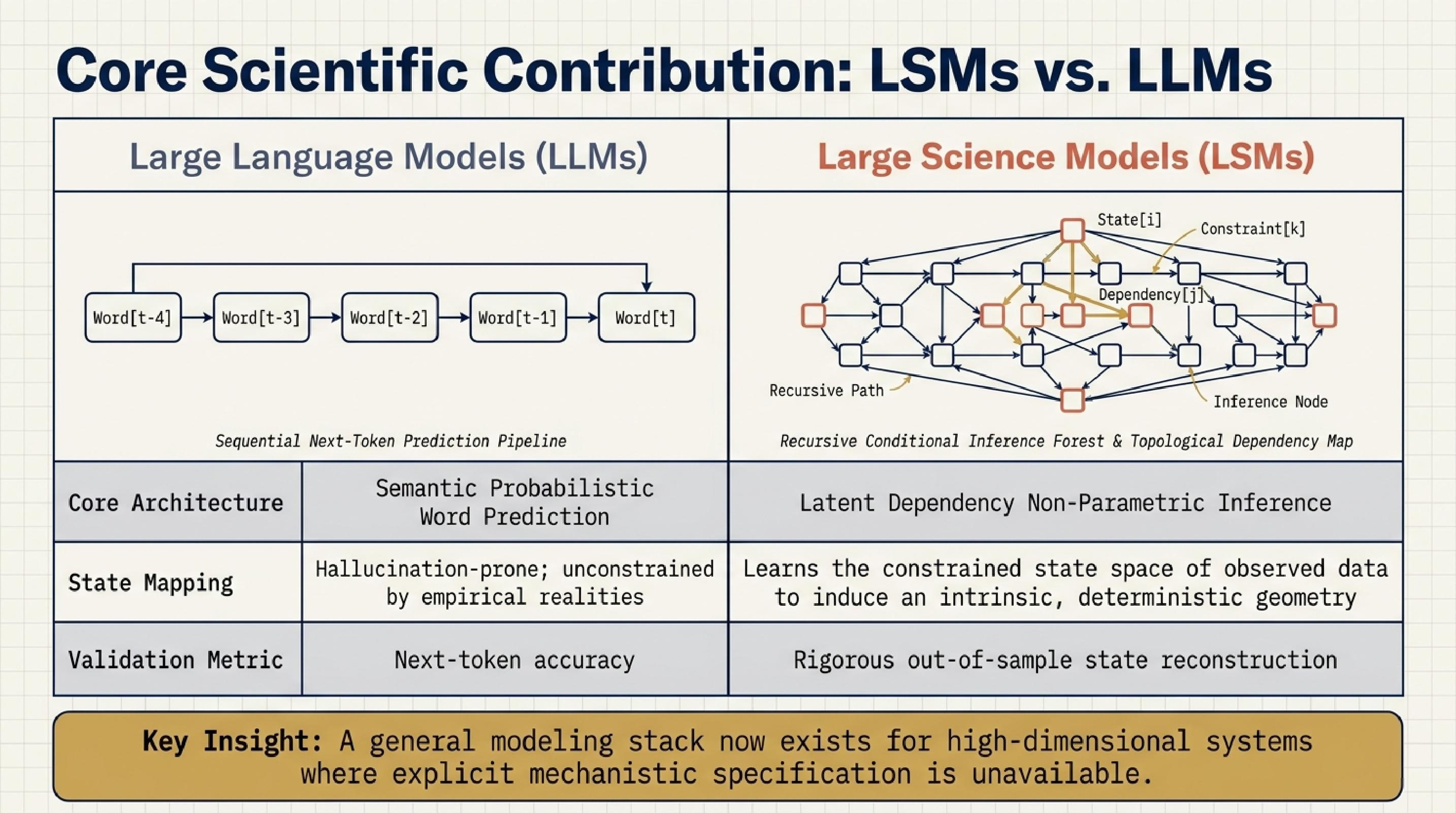
Scalable to thousands to millions of variables, intrinsic reflexivity
Validate social theories with granular simulations from digital twins of opinion dynamics and social behavior
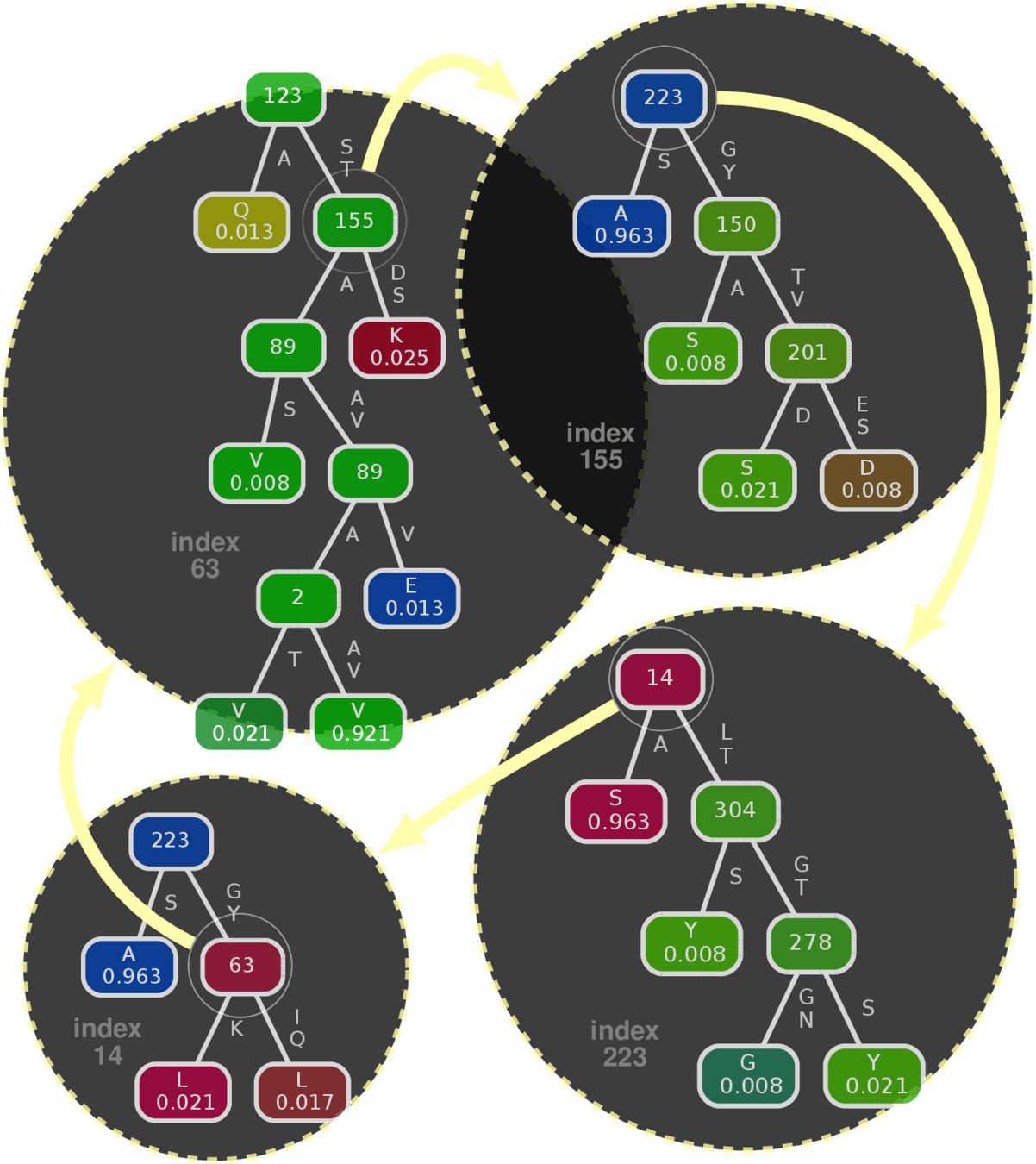
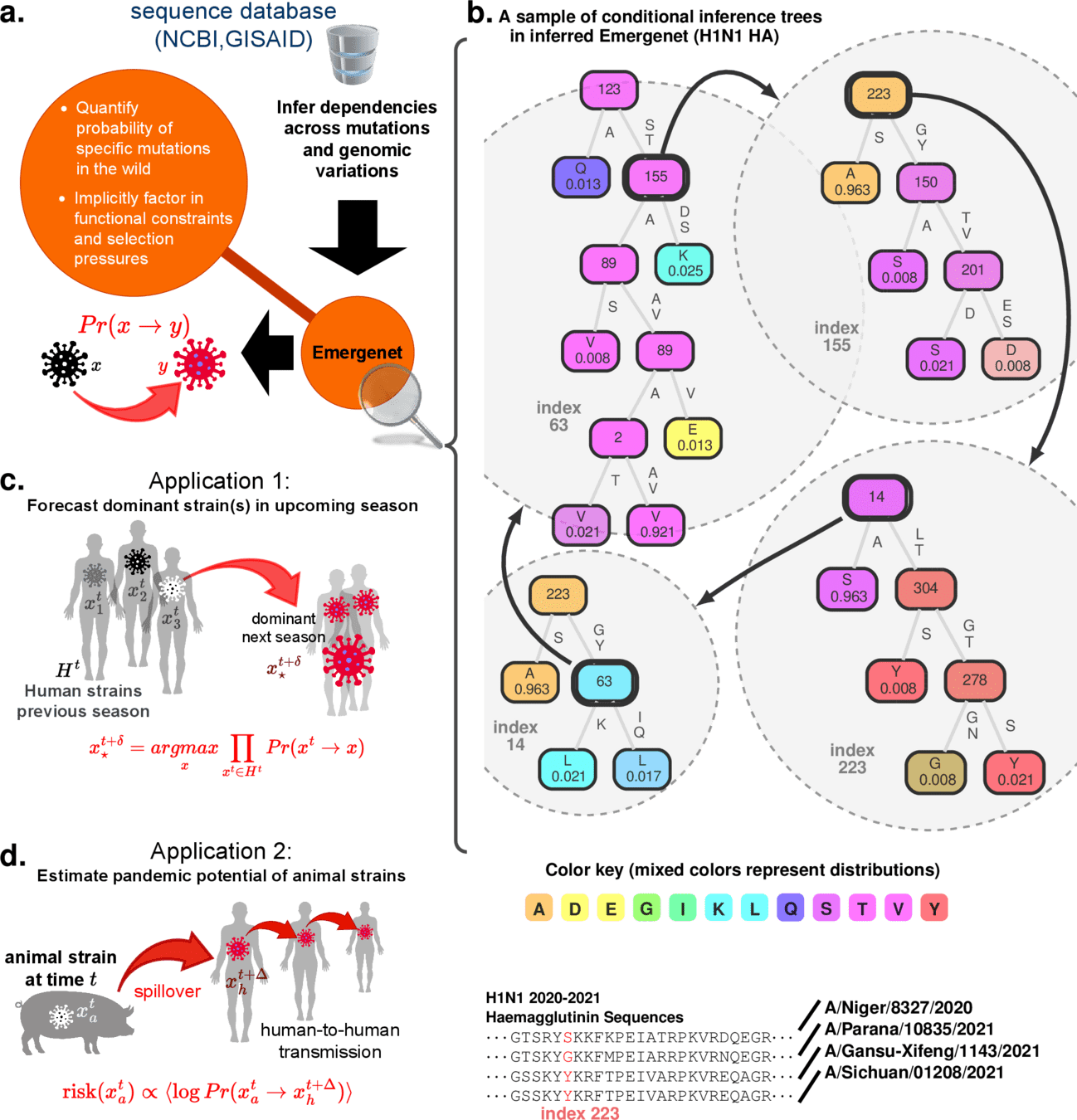
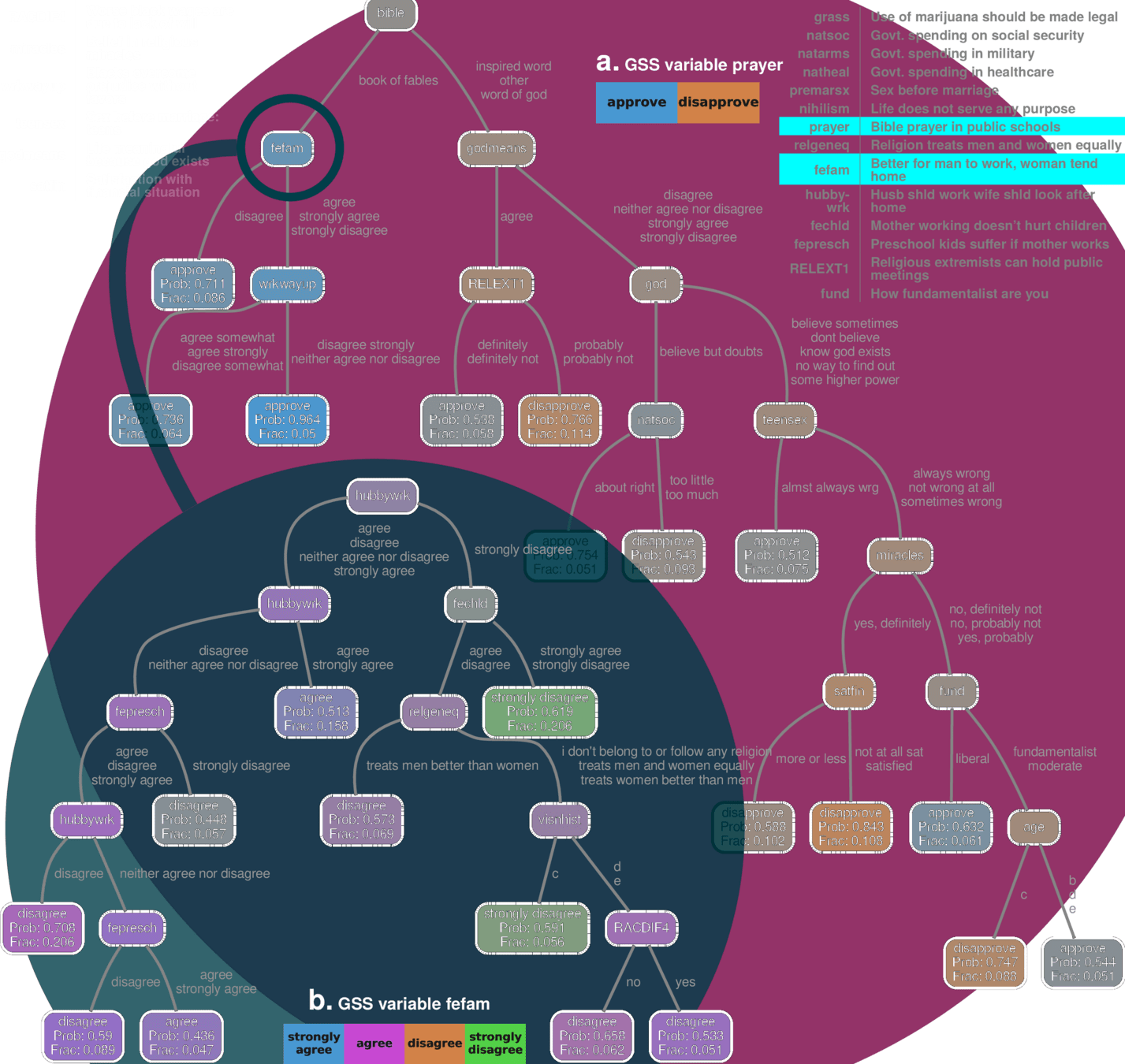
Component LSM predictors enforce statistical significance of splits in recursive partitioning, ensuring precise uncertainty quantification
*Hothorn, Torsten, Kurt Hornik, and Achim Zeileis. "Unbiased recursive partitioning: A conditional inference framework." Journal of Computational and Graphical statistics 15, no. 3 (2006): 651-674.
emergent macro-structure
Component predictor (Conditional Inference Tree*)
Example: Influenza A HA protein
Recursive
LSM
forest
GSS 2018 dataset
Computationally tractable LSM tree structure given, as proposed, hundreds to thousands of observable variables.
“Exposure to opposing views on social media can increase political polarization” by Christopher A. Bail et al., published in PNAS in September 2018 (Vol. 115, No. 37, pp. 9216–9221; DOI: 10.1073/pnas.1804840115)
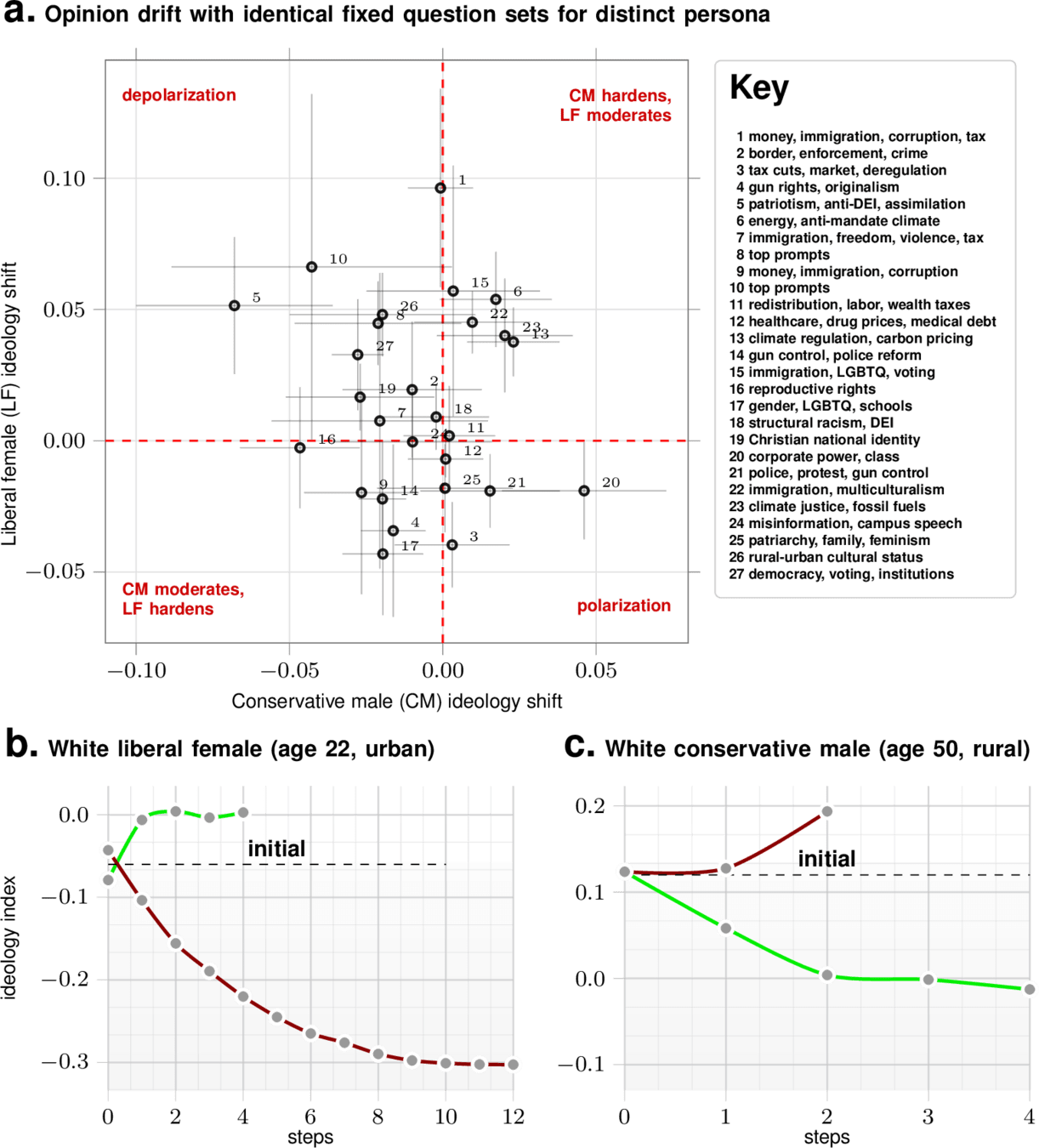
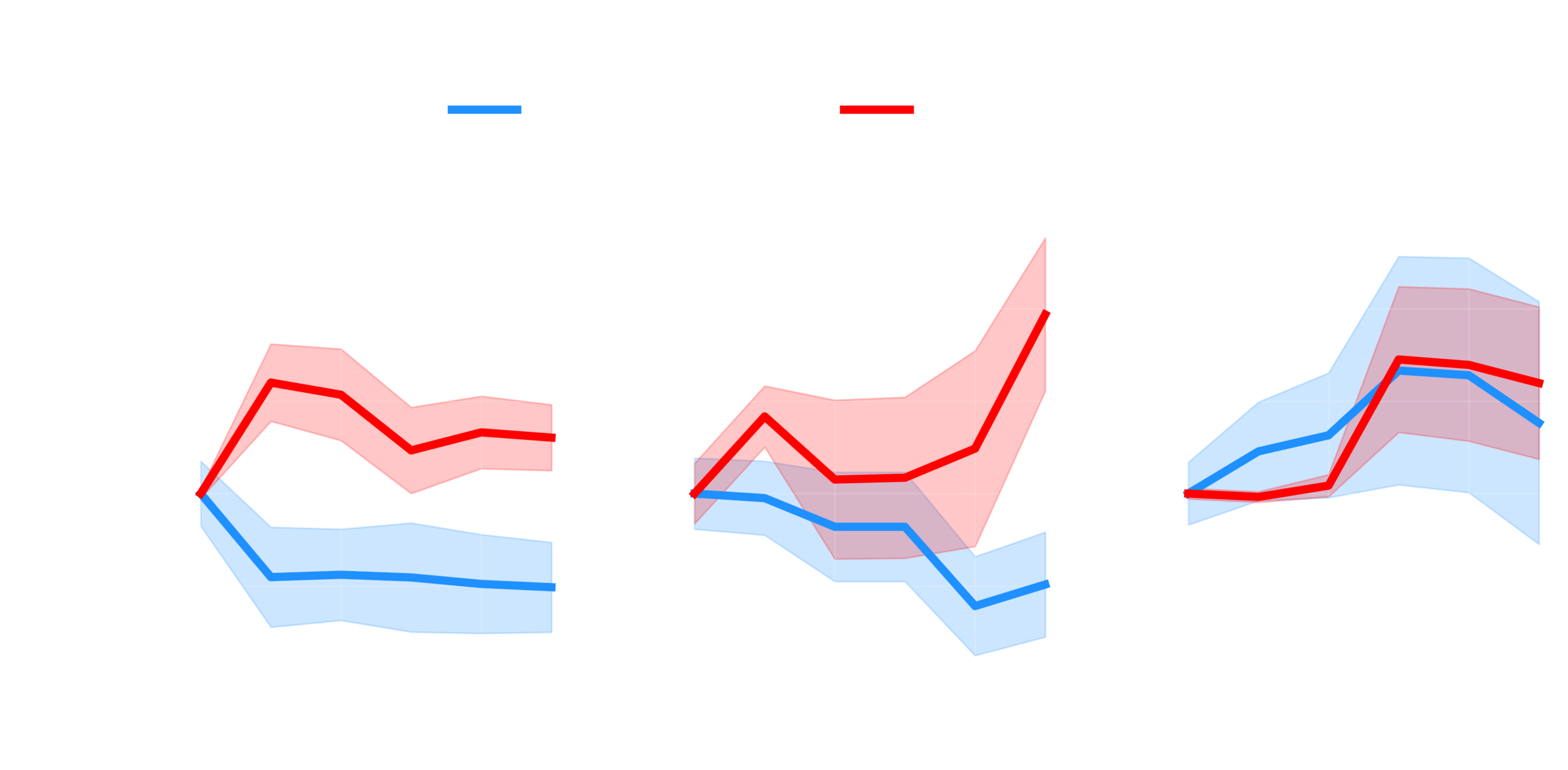
We find more general possibilities: We can make world-views go more extreme or less extreme based on the line of questions and the persona
Perturbing with opposing views made conservatives more conservative (statistically significant), liberals more liberal (not statistically significant)
LSM
Prospective validation in Human Cohorts
x
demographic filter
persona filter
P2
P1
fixed question sets
attention questions
Questions
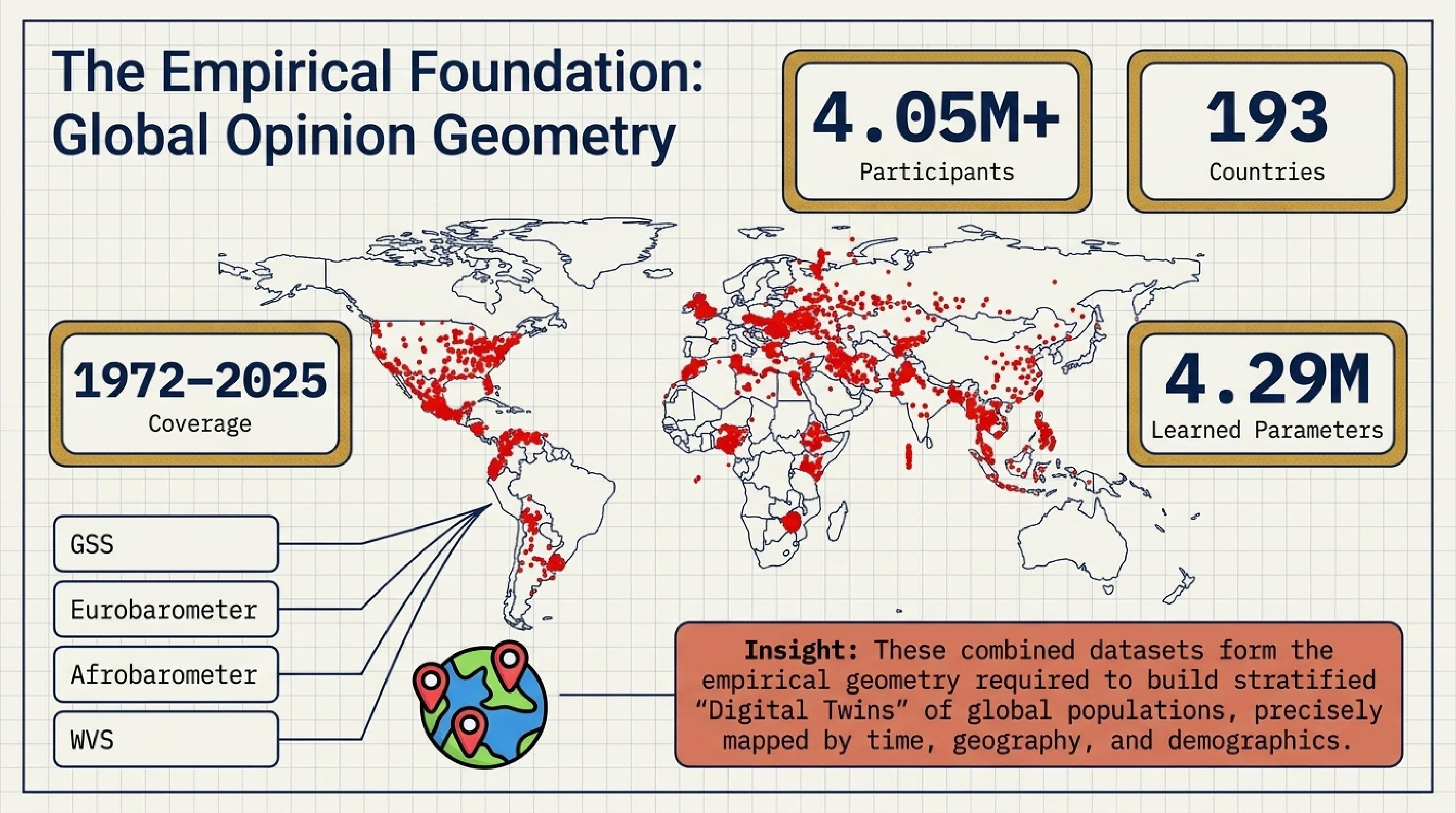
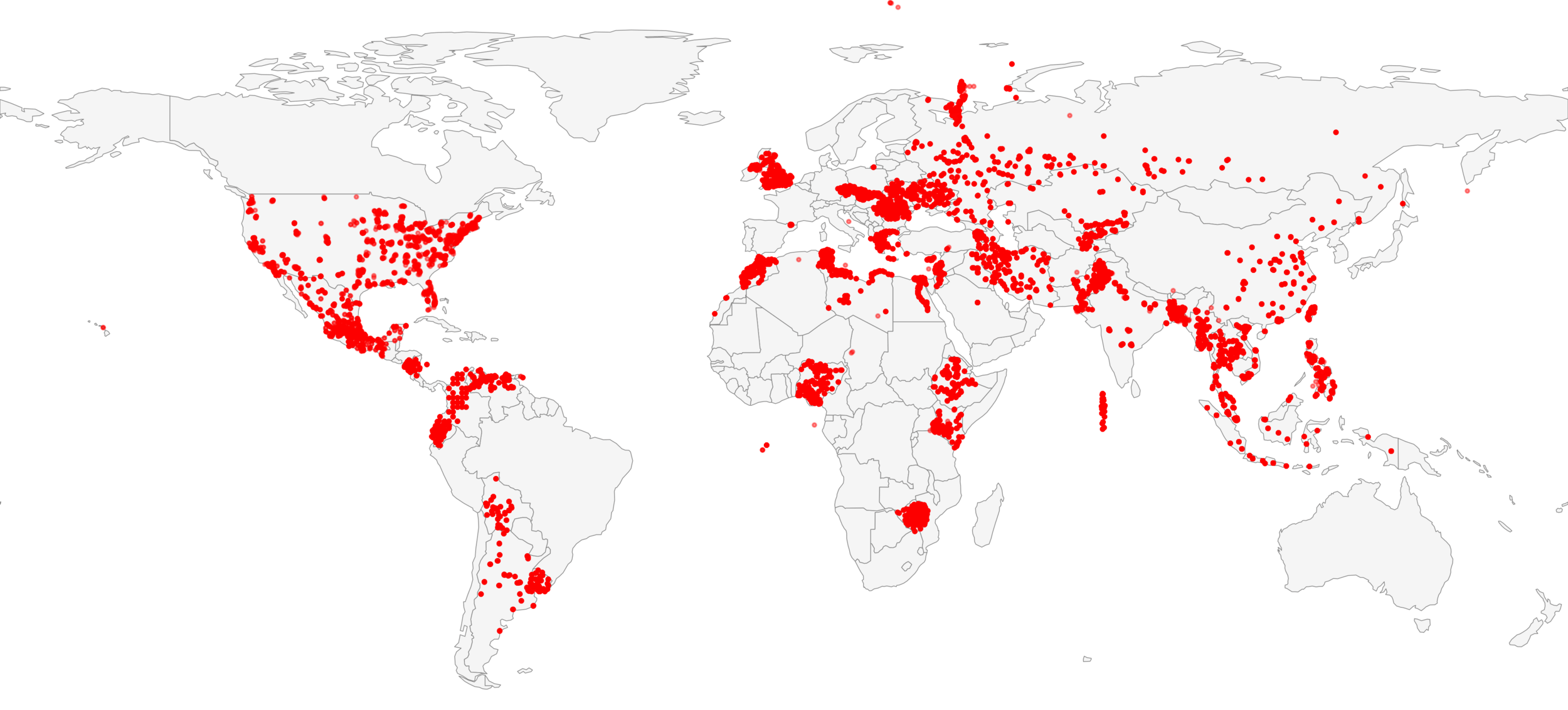
| surveys | GSS, Eurobarometer, World value Survey, Afrobarometer |
| participants | 4,052,616 |
| countries | 193 |
| years | 1972-2025 |
| survey items | 200-1600 |
Digital twin for 2022 GSS
*“Exposure to opposing views on social media can increase political polarization” by Christopher A. Bail et al., published in PNAS in September 2018 (Vol. 115, No. 37, pp. 9216–9221; DOI: 10.1073/pnas.1804840115)
In contrast to Bail etal.*,
US participants from Prolific panel
Timeline
approval (6-8 wk)
run 1 (1 week)
run 3 (1 week)
analysis (3 weeks)
6 months
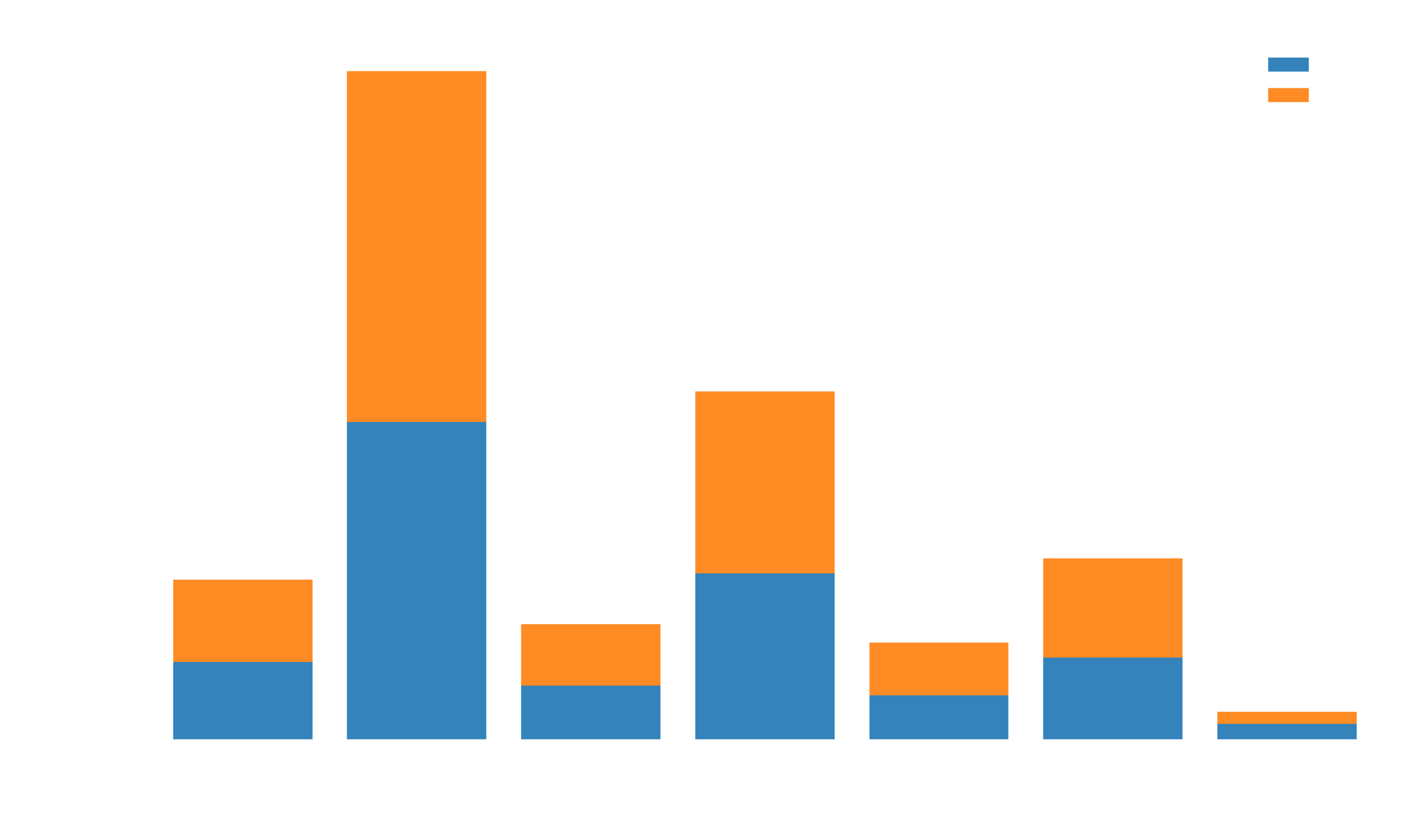
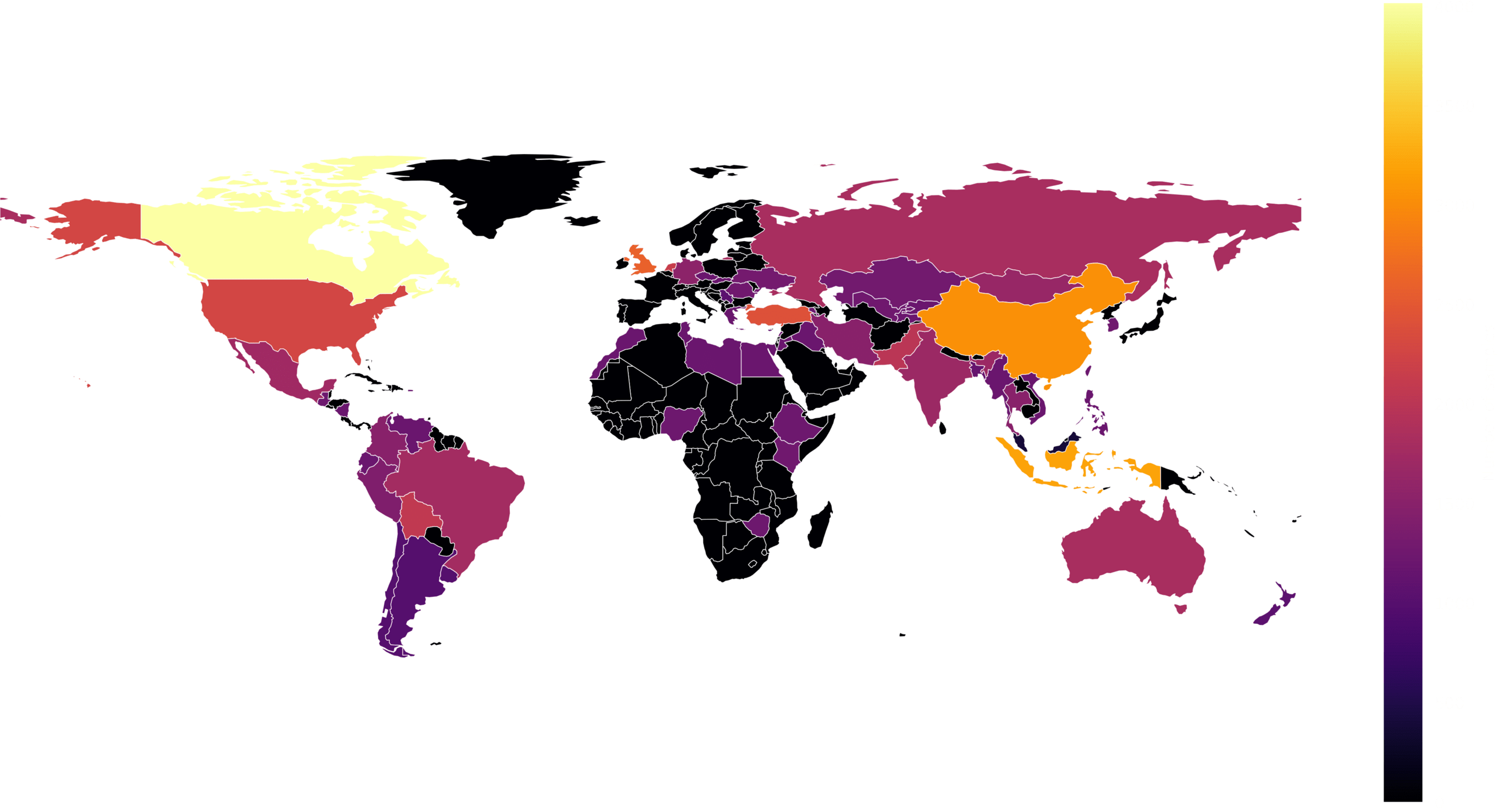
n = 93,497
Missing Africa, Oceania
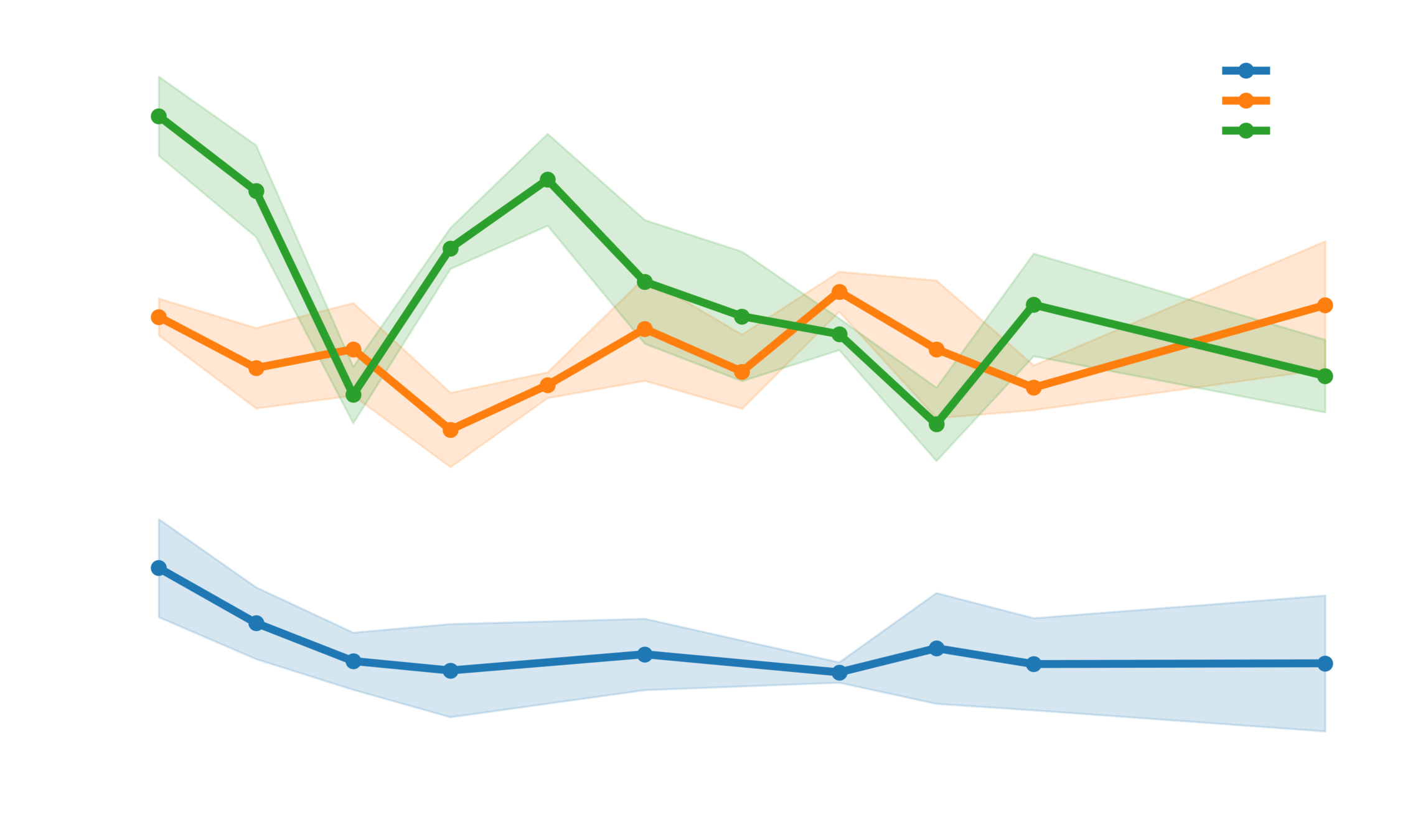
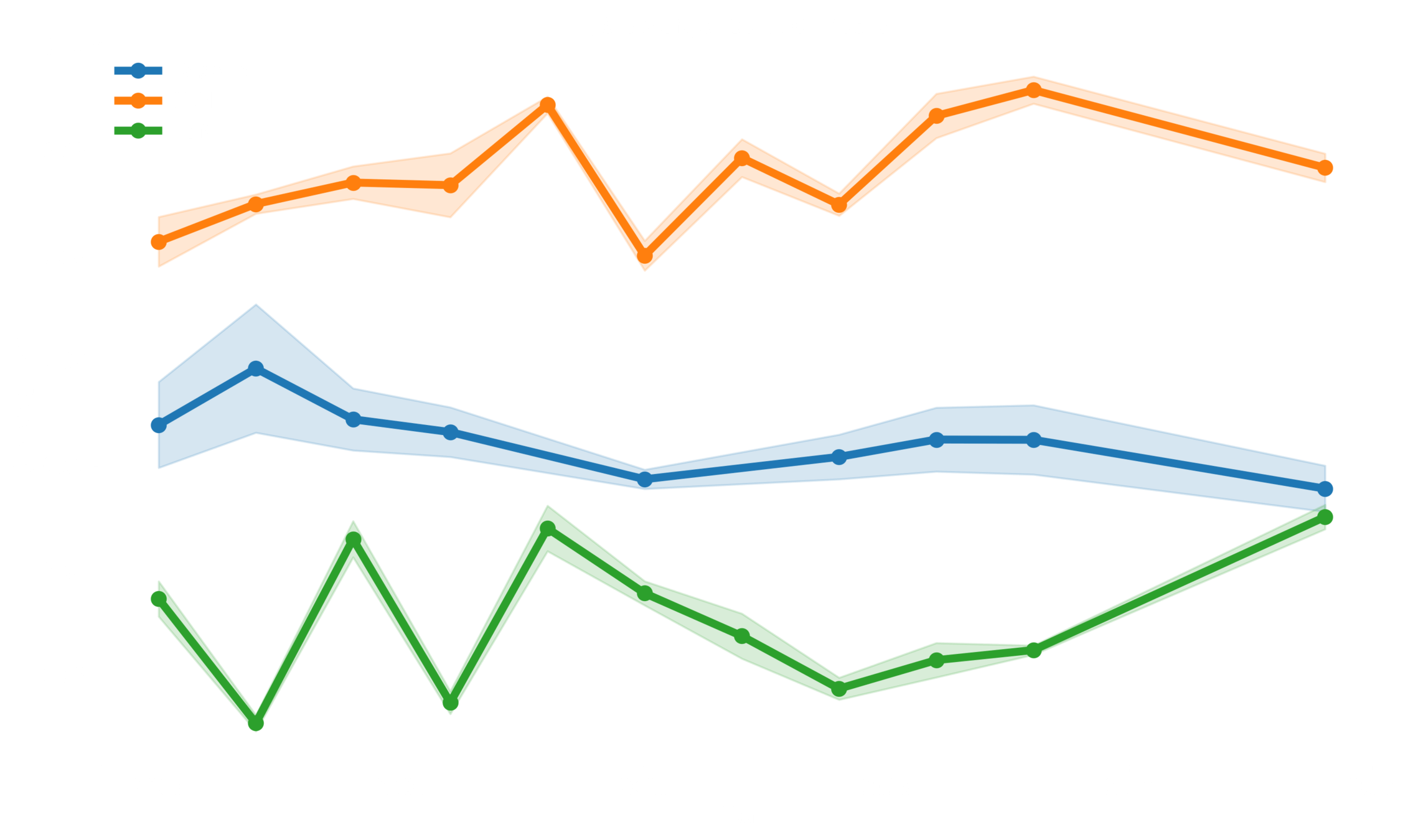
LLM somewhat competitive when tracking the most frequent behavior
baseline: assumes item independence
LSM substantially better as a "Digital Twin", for replicating all behaviors
baseline: assumes item independence
LLM
LSM
a. Query
b. digitization
c. LSM response
d. virtual opinion
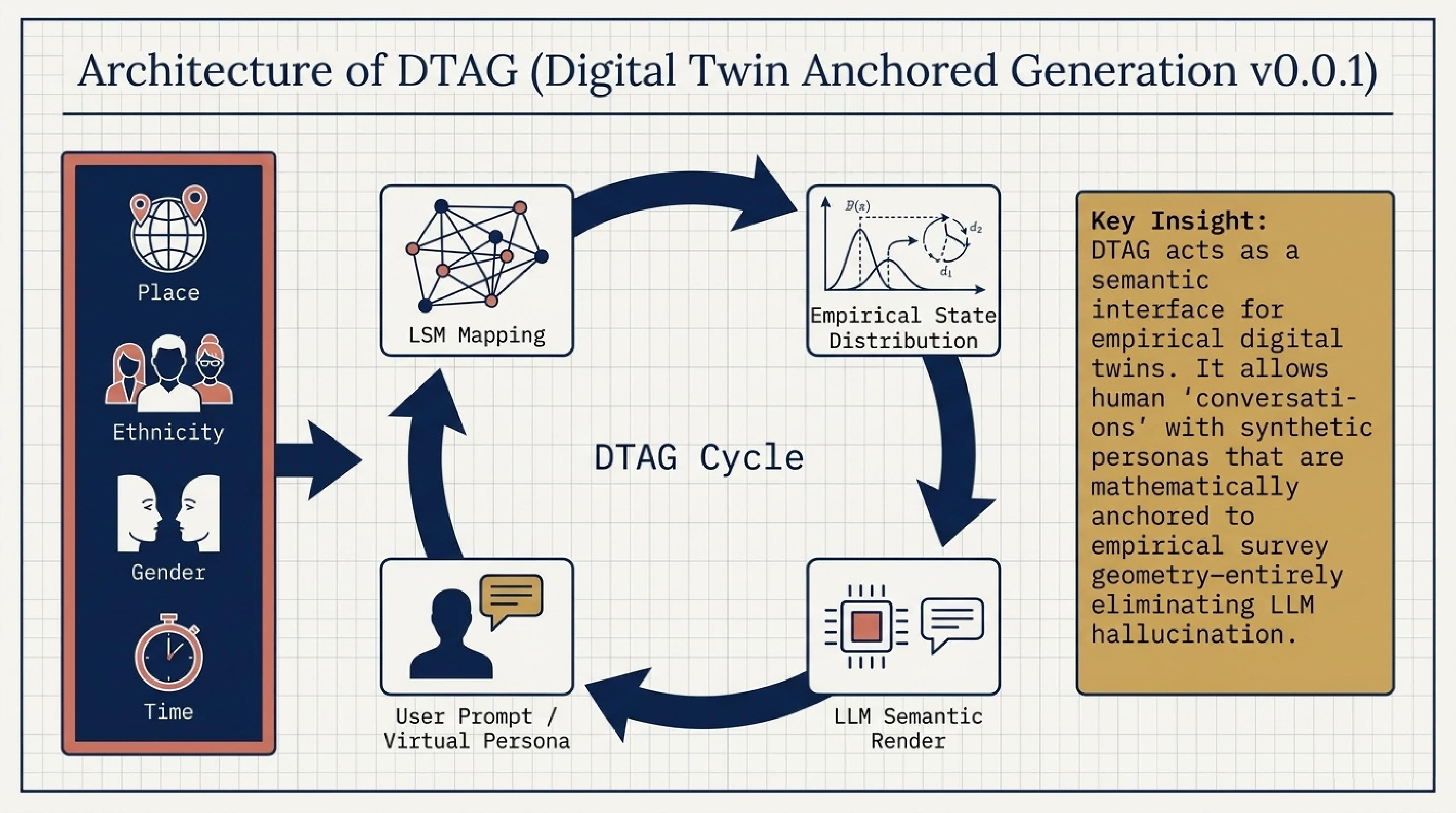
DTAG: Digital Twin Anchored Generation v0.0.1
python3 ./pipeline6.py --qnet ../survey/models/gss/gss_2022female.pkl.gz --map maps/map2022.csv --persona "22 year old white female without children in urban New York, regular news consumer, working in retail, highly progressive" --openai_model gpt-4.1 --polar assets/polar_vectors.csv --auto assets/increase_set_1_border_crime.csvpython3 ./pipeline6.py --qnet ../survey/models/gss/gss_2022male.pkl.gz --map maps/map2022.csv --persona "45 year old white male with children in rural Alabama, regular news consumer, working in farming, veteran, conservative" --openai_model gpt-4.1 --polar assets/polar_vectors.csv --auto assets/increase_set_1_border_crime.csvpython3 pipeline5iloc.py --qnet ../survey/models/wvs/LSM10K.gz --map maps/wvs7_variable_question_map.csv --persona "urban, regular news consumer, small business owner" --openai_model gpt-5.4-mini --assign_prefilter 500 --year 2023 --country Chinapython3 pipeline5iloc.py --qnet ../survey/models/wvs/LSM10K.gz --map maps/wvs7_variable_question_map.csv --persona "urban, regular news consumer, small business owner" --openai_model gpt-5.4-mini --assign_prefilter 500 --year 2023 --country "Middle East"python3 ./pipeline6.py --qnet ../survey/models/gss/gss_2022female.pkl.gz --map maps/map2022.csv --persona "22 year old white female without children in urban New York, regular news consumer, working in retail, highly progressive" --openai_model gpt-4.1 --polar assets/polar_vectors.csv --auto assets/increase_set_1_border_crime.csvpython3 ./pipeline6.py --qnet ../survey/models/gss/gss_2022male.pkl.gz --map maps/map2022.csv --persona "45 year old white male with children in rural Alabama, regular news consumer, working in farming, veteran, conservative" --openai_model gpt-4.1 --polar assets/polar_vectors.csv --auto assets/increase_set_1_border_crime.csv“Exposure to opposing views on social media can increase political polarization” by Christopher A. Bail et al., published in PNAS in September 2018 (Vol. 115, No. 37, pp. 9216–9221; DOI: 10.1073/pnas.1804840115)
Perturbing with opposing views made conservatives more conservative (statistically significant), liberals more liberal (not statistically significant)
Digital twin for 2022 GSS
By Ishanu Chattopadhyay
DARPA-EA-25-02-05-MAGICS-PA-025 PI/PM Meeting