











federica bianco PRO
astro | data science | data for good
University of Delaware
Department of Physics and Astronomy
Biden School of Public Policy and Administration
Data Science Institute
Rubin Legacy Survey of Space and Time
Deputy Project Scientist for Construction
LSST Survey Scientist
federica b. bianco
she/her
slides available at
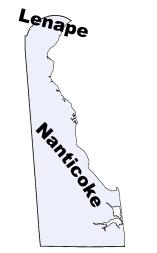
This is a living land acknowledgement developed in consultation with tribal leadership of Poutaxet, what is now known as the “Delaware Bay,” including: the Lenape Indian Tribe of Delaware, the Nanticoke Indian Tribe, and the Nanticoke Lenni-Lenape Tribal Nation in 2021. We thank these leaders for their generosity.
The University of Delaware occupies lands vital to the web of life for Lenni Lenape and Nanticoke, who share their ancestry, history, and future in this region. UD has financially benefited from this regional occupation as well as from Indigenous territories that were expropriated through the United States land grant system. European colonizers and later the United States forced Nanticoke and Lenni Lenape westward and northward, where they formed nations in present-day Oklahoma, Wisconsin, and Ontario, Canada. Others never left their homelands or returned from exile when they could. We express our appreciation for ongoing Indigenous stewardship of the ecologies and traditions of this region. While the harms to Indigenous people and their homelands are beyond repair, we commit to building right relationships going forward by collaborating with tribal leadership on actionable institutional steps.
The Vera C. Rubin Observatory LSST
|
A new, transformational observatory is about to start building a legacy for humanity vith a movie of the night sky
just as human-made satellites are changing it forever
A new, transformational observatory is about to start building a legacy for humanity vith a movie of the night sky
what's in a name?
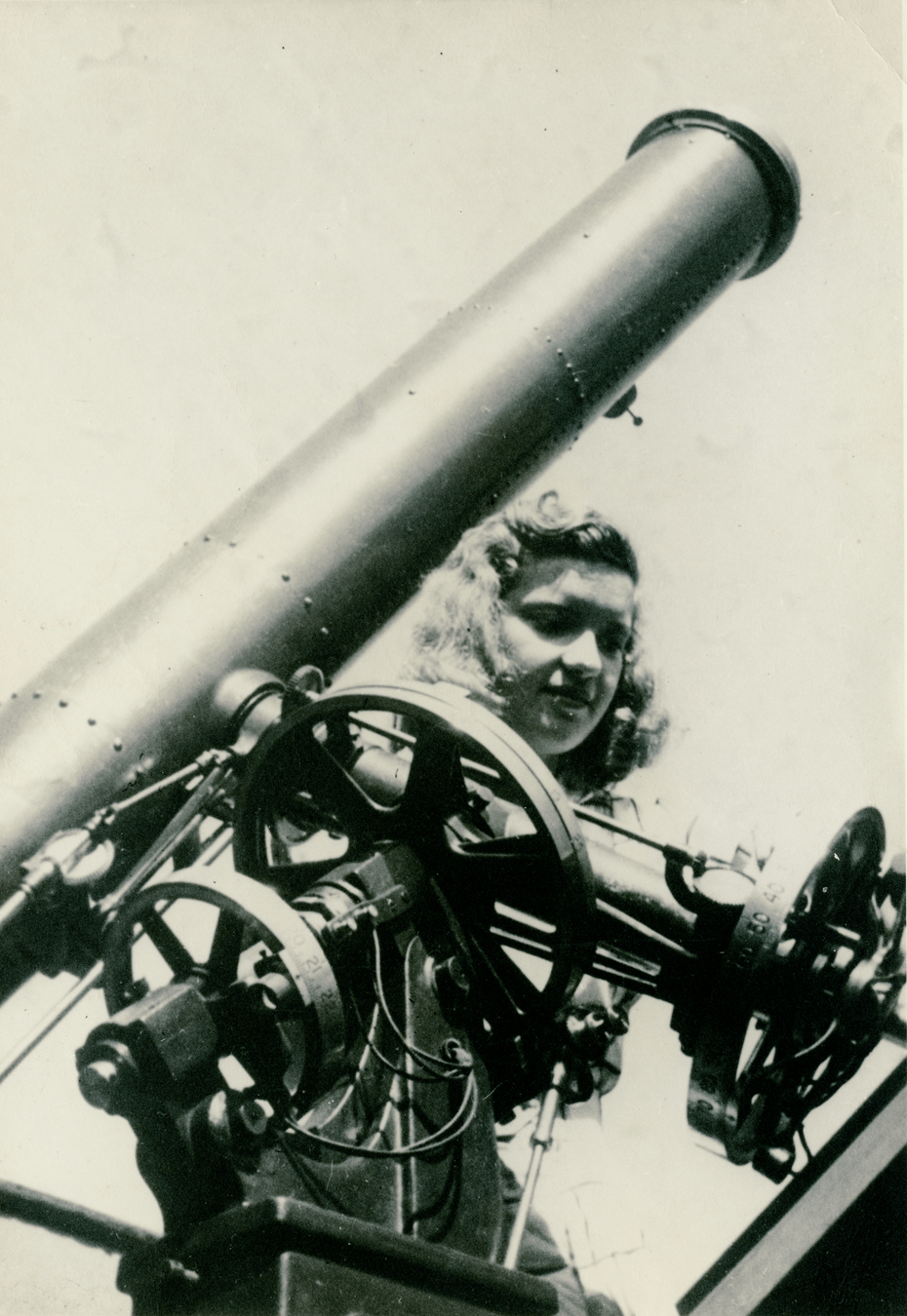
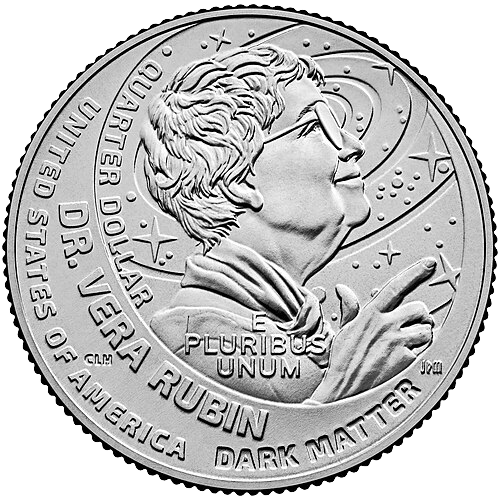
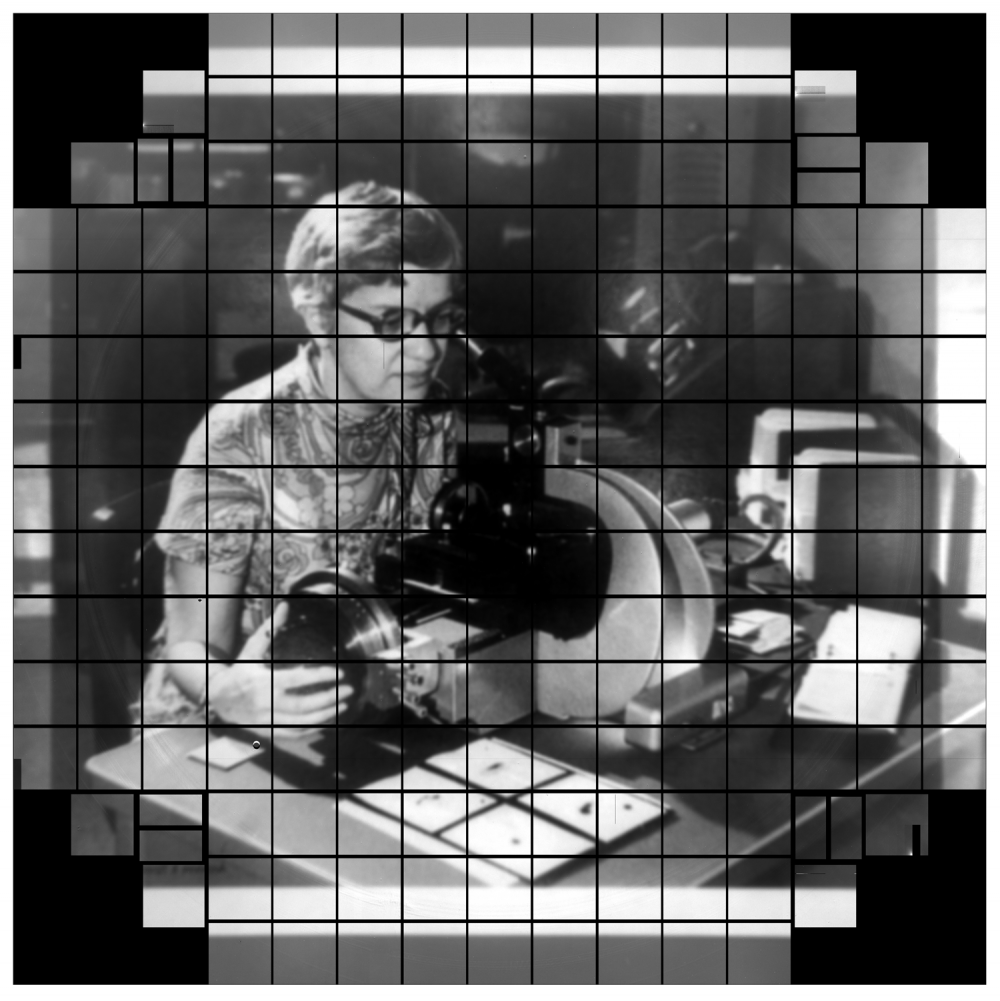
The first ground-based national US observatory named after a woman, Dr. Vera C. Rubin
what's in a name?
what's in a name?
The first ground-based national US observatory named after a woman, Dr. Vera C. Rubin
LSST:The Vera C. Rubin Observatory Legacy Survey of Space and Time
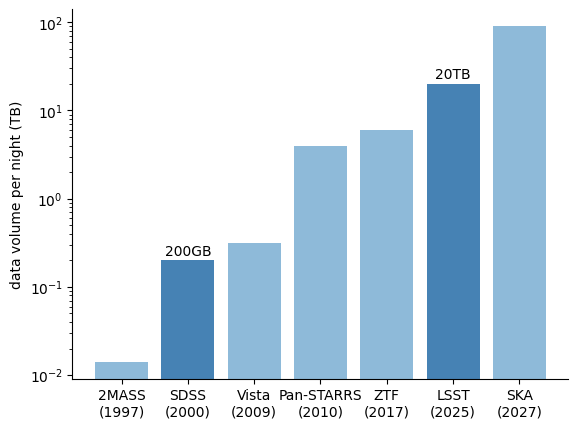
20Tb of data every night. That is equivalent to |
8,000 high definition movies
4,000 hours of tiktok videos
every night for 10 years
|
A legacy dataset that belongs to all people in the USA giving access to never before seen corners of the Universe to all |
LSST:The Vera C. Rubin Observatory Legacy Survey of Space and Time
20Tb of data every night. |
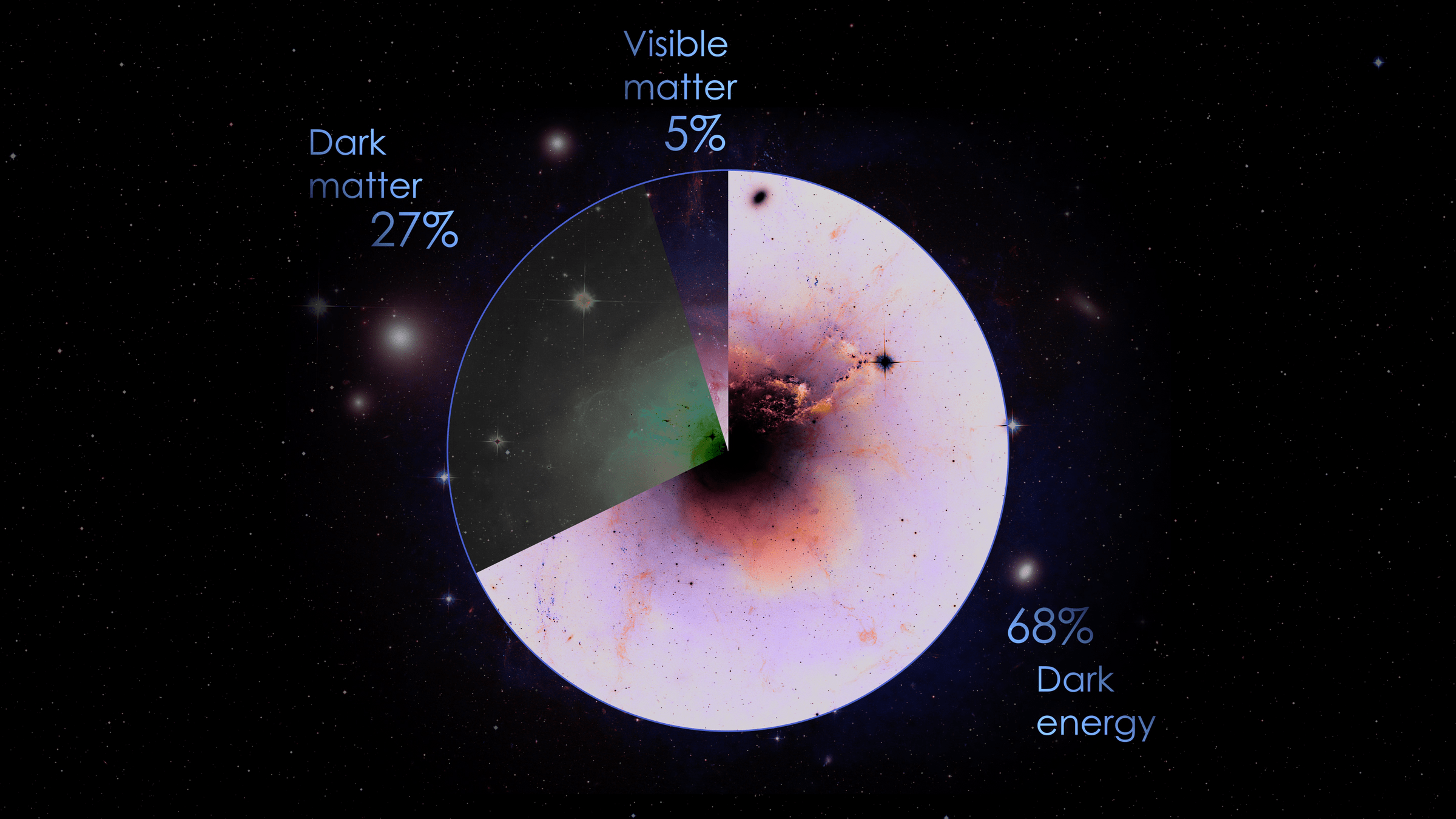
Probing Dark Energy and Dark Matter
image credit ESO-Gaia
Mapping the Milky Way and Local Volume
17Billion stars in the milky way: color, position, motion, and variability
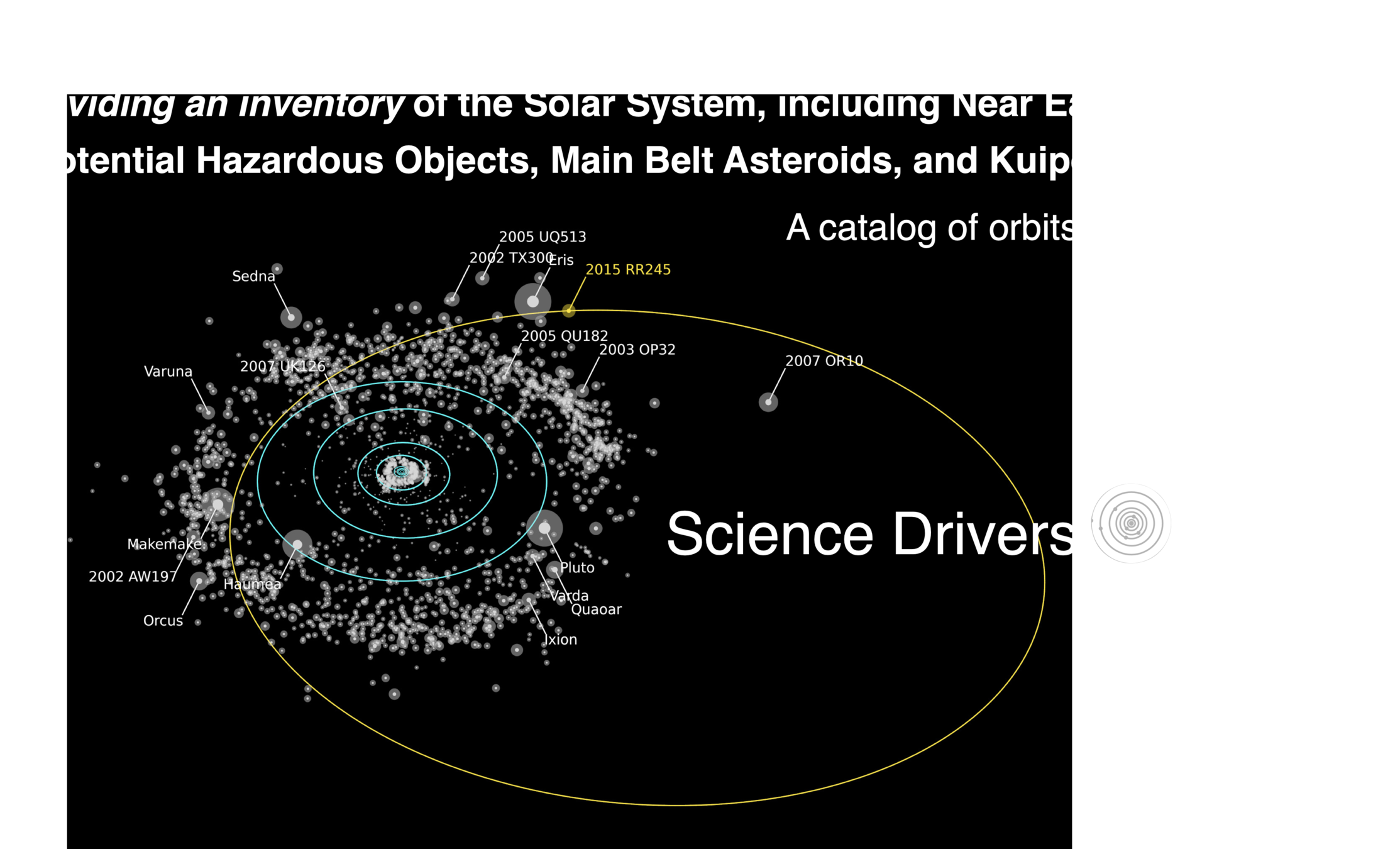
An unprecedented inventory of the Solar System
from threatening asteroids to the distant Oort Cloud
image credit: ESA-Justyn R. Maund
Exploring the Transients and Variable Universe
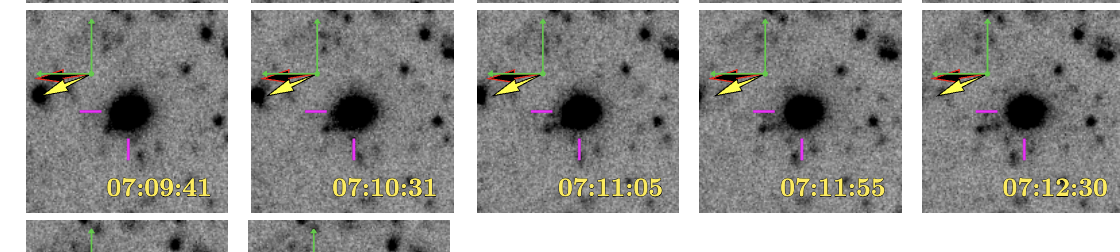
10M alerts every night shared with the world
60 seconds after observation
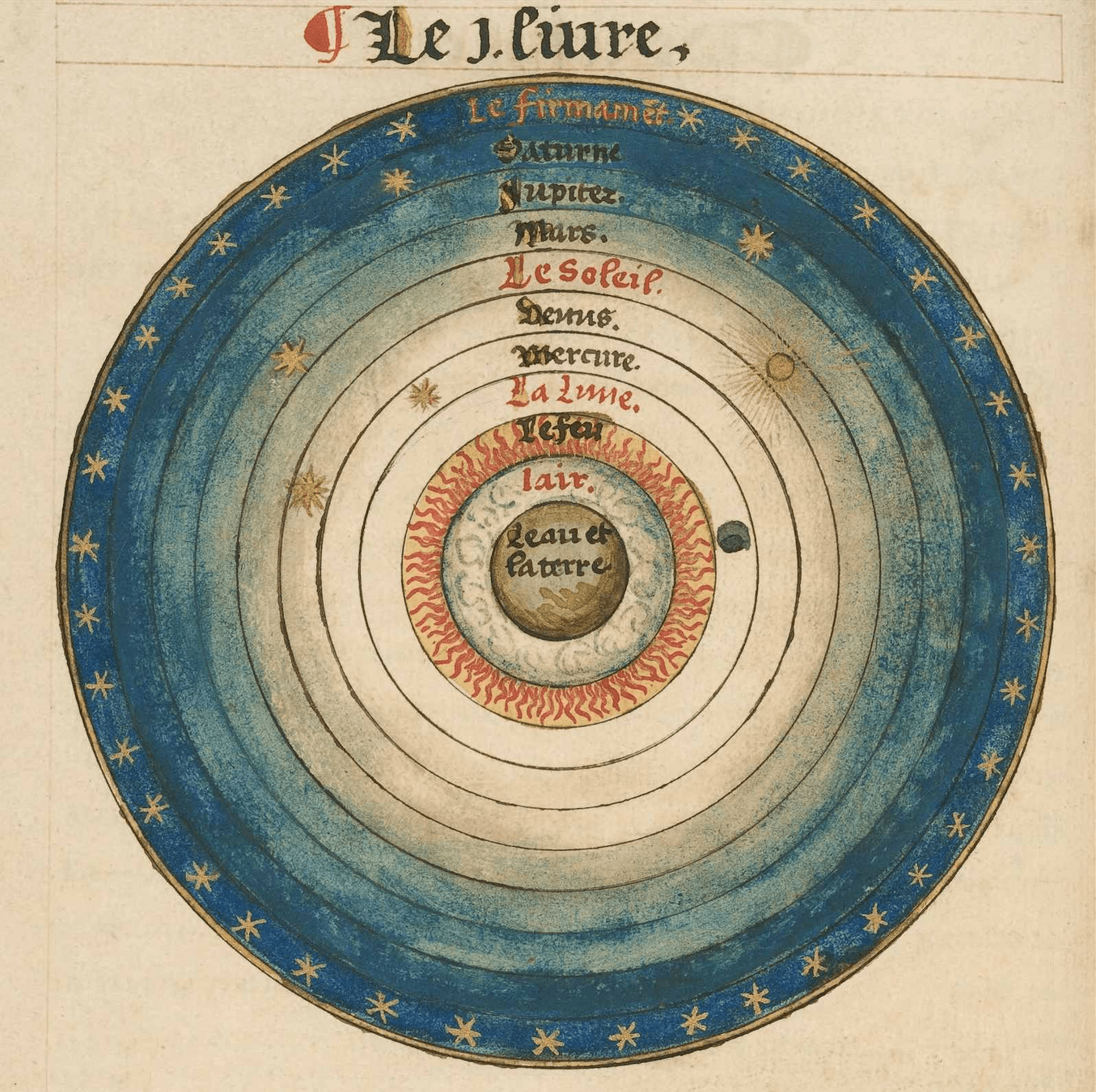
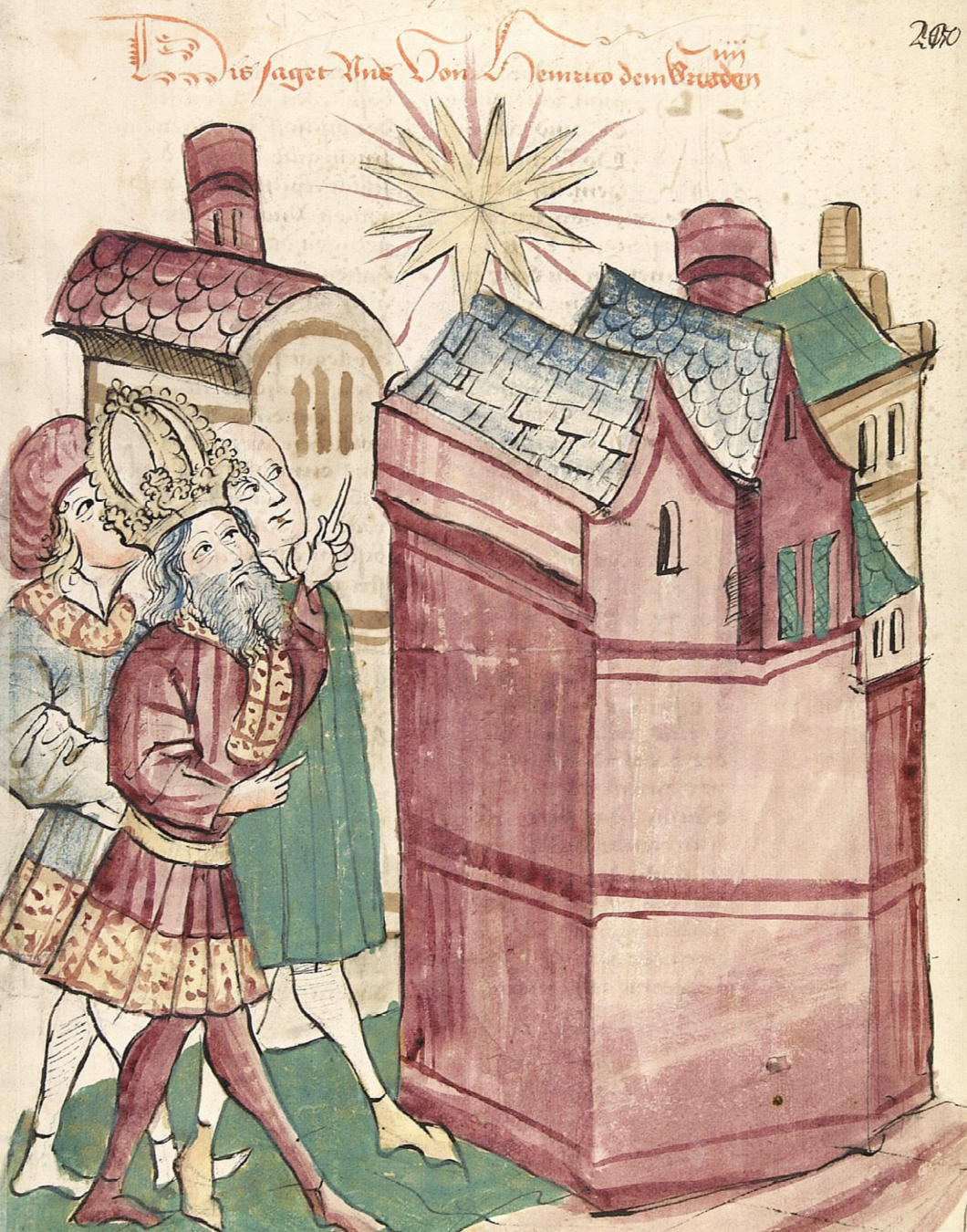
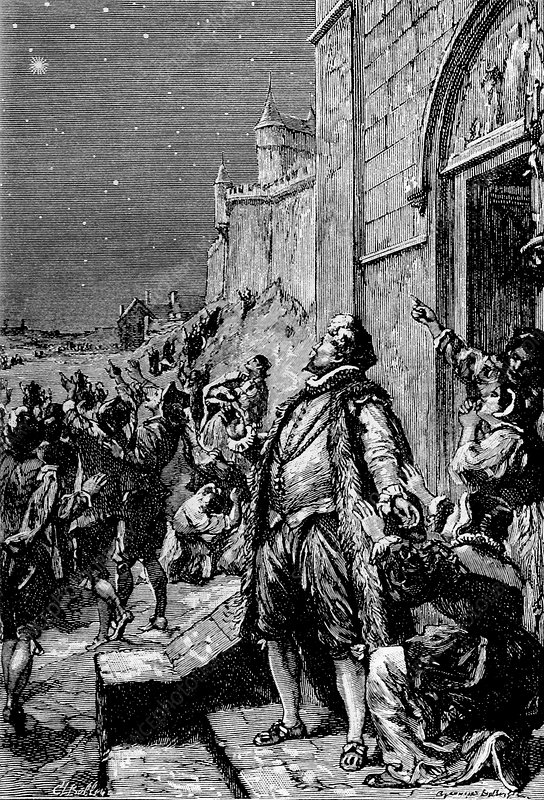
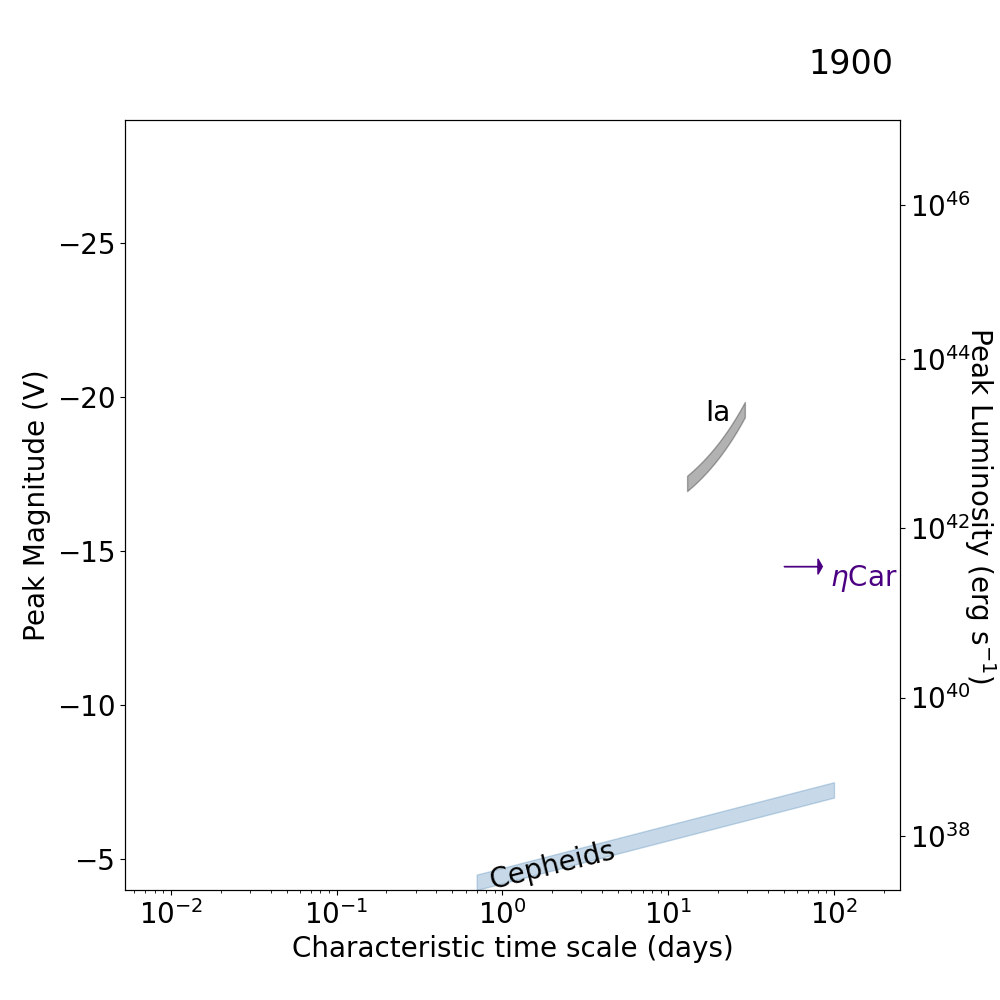
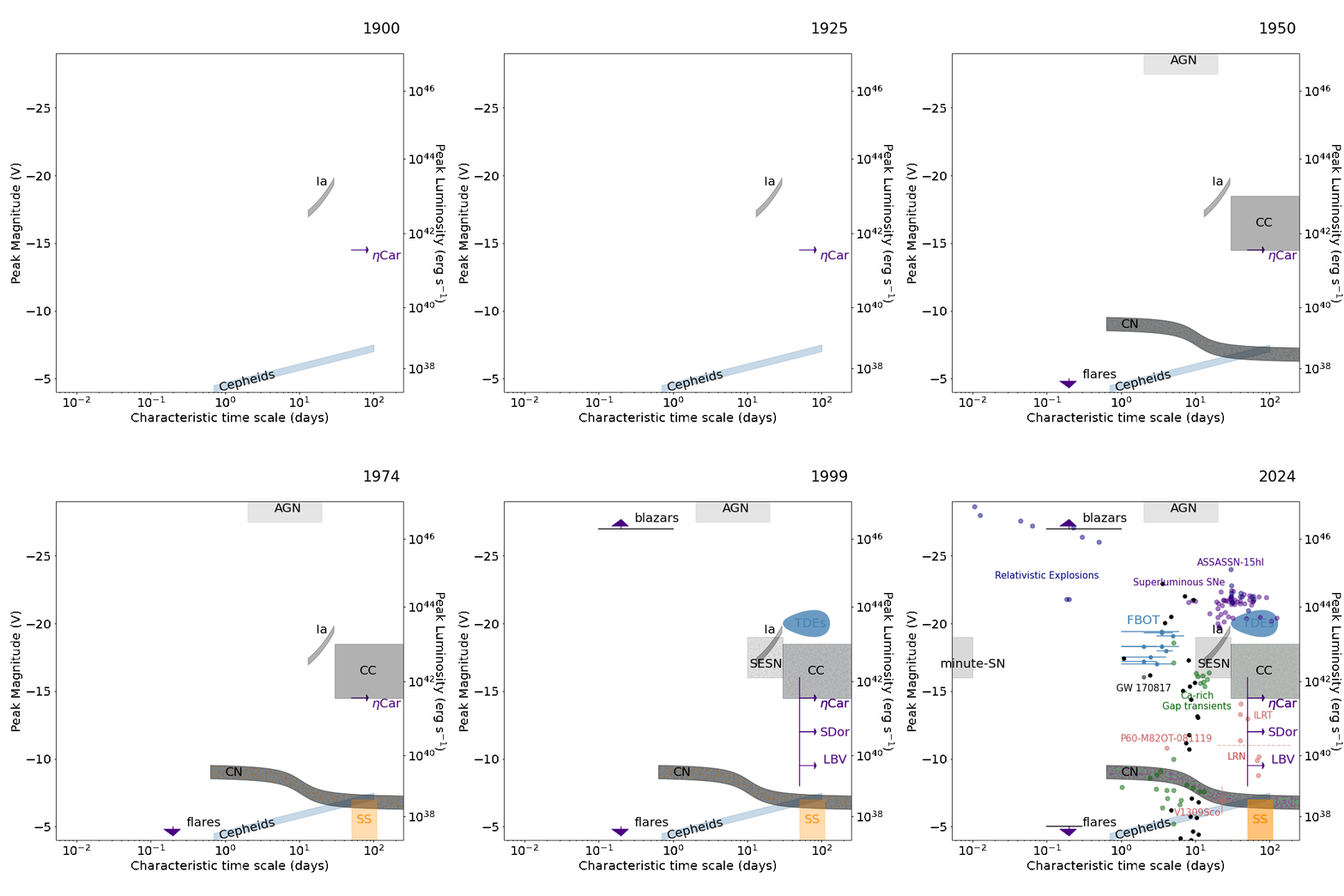
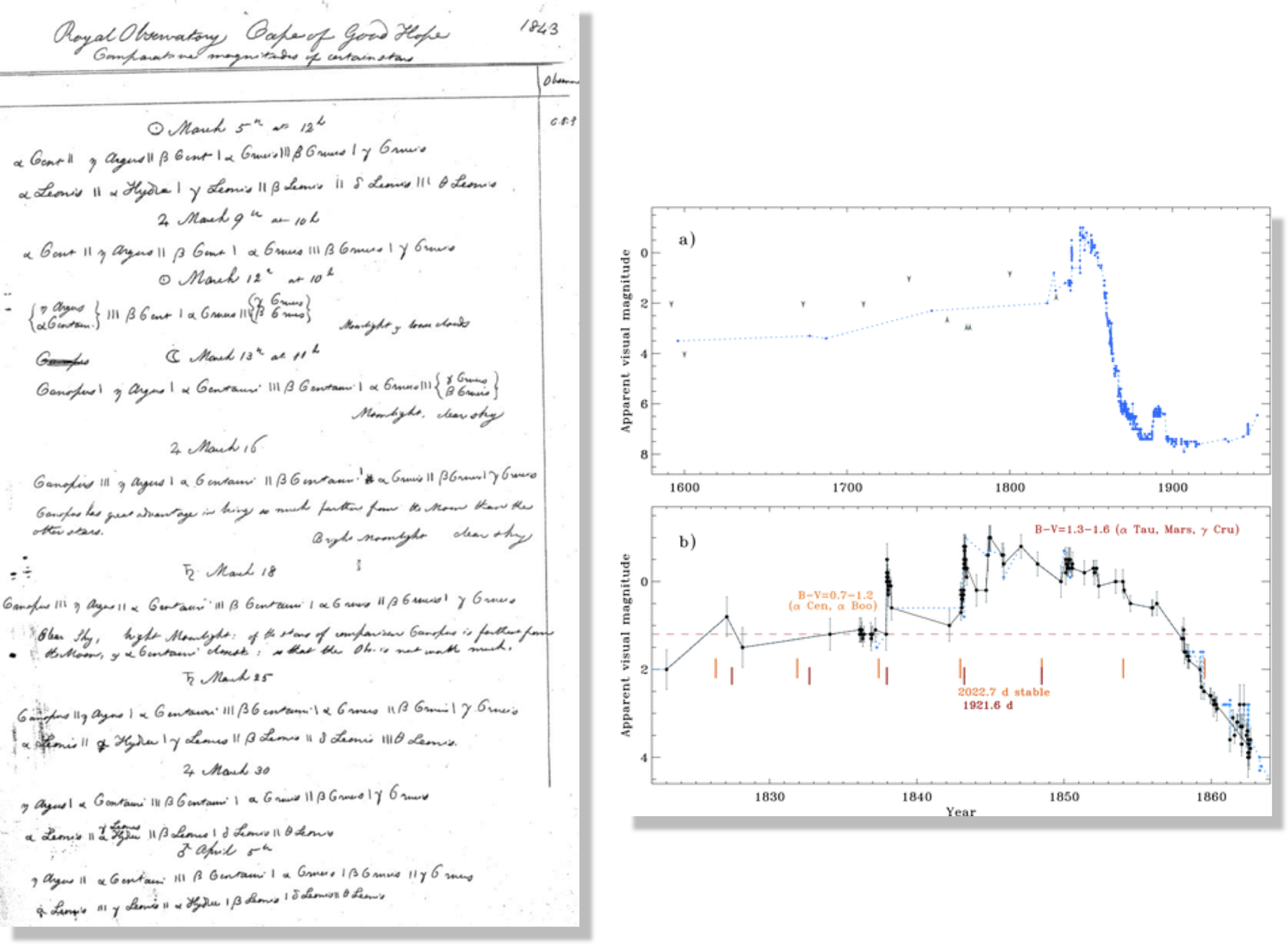
The immutable skies
Bartolomeu Velho, 1568 (Bibliothèque Nationale, Paris)
1549 Oronce Fine, France
From Flammarion's Astronomie Populaire (1880): in Scania, Denmark
Henry III, Tivoli, SN 1054, unknown artist, ca.1450
←Dimmer Brighter →
←Dimmer Brighter →
0.01 0.1 1 10 100
stellar sexplosions
stellar eruptions
stellar variability
←Dimmer Brighter →
0.01 0.1 1 10 100
To accomplish this, we need:
Objective: to provide a science-ready dataset to transform the 4 key science area
To accomplish this, we need:
1) Dark skies - Cerro Pachon Chile
Objective: to provide a science-ready dataset to transform the 4 key science area
To accomplish this, we need:
1) Dark skies - Cerro Pachon Chile
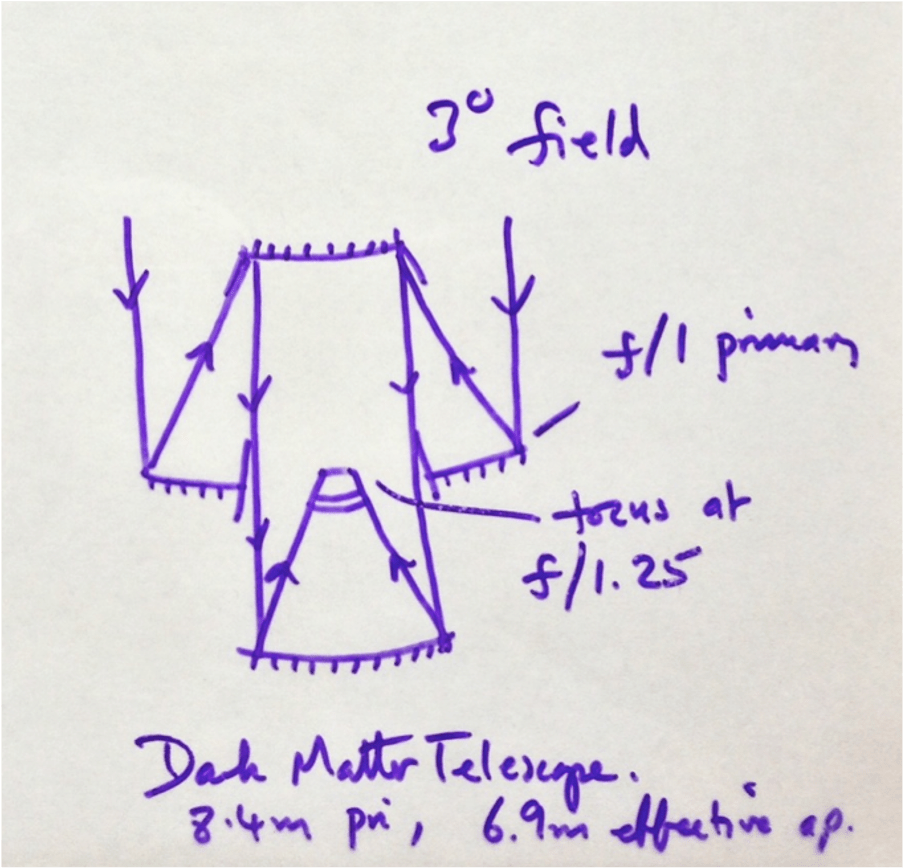
2) a large telescope mirror to be sensitive - 8m (6.7m)
Objective: to provide a science-ready dataset to transform the 4 key science area
May 2022 - Telescope Mount Assembly
3.2 Gigapixels:
We built the largest (declassified) camera ever built
to look farther and wider into the sky than ever before
1996-1998 Tony Tyson, Roger Angel
How it started
with Zhoran Mandami,
Astronaut Reid Wiseman,
Activist Zabib Musa Loro,
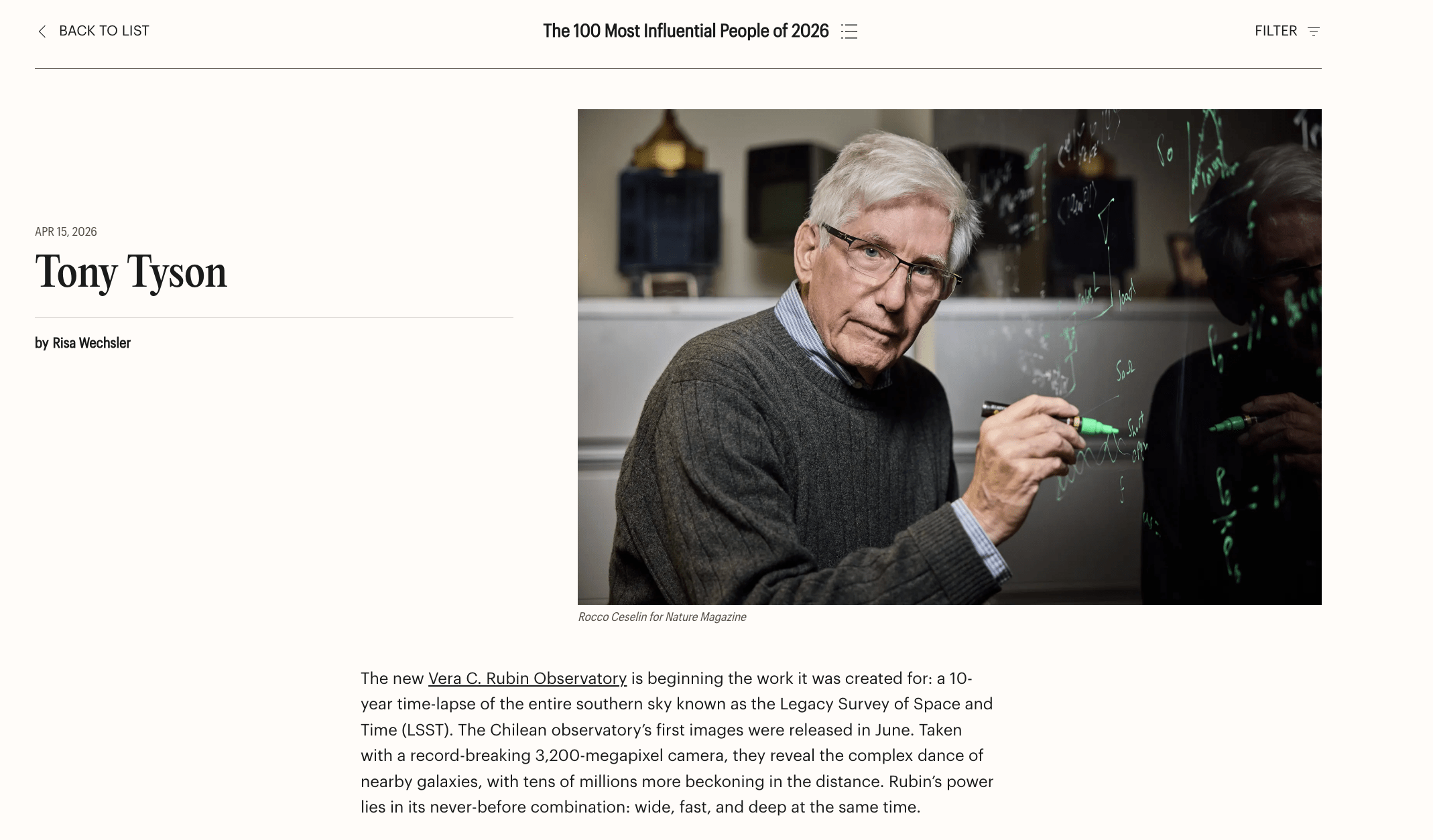
Pope Leo XIV,
Olympic medalist Alysa Liu,
Benicio Del Toro.......
2008
2017
Are We There YET????!!!!
Eye to the sky…on-sky engineering tests have begun at
Rubin Observatory using the world’s largest digital camera!
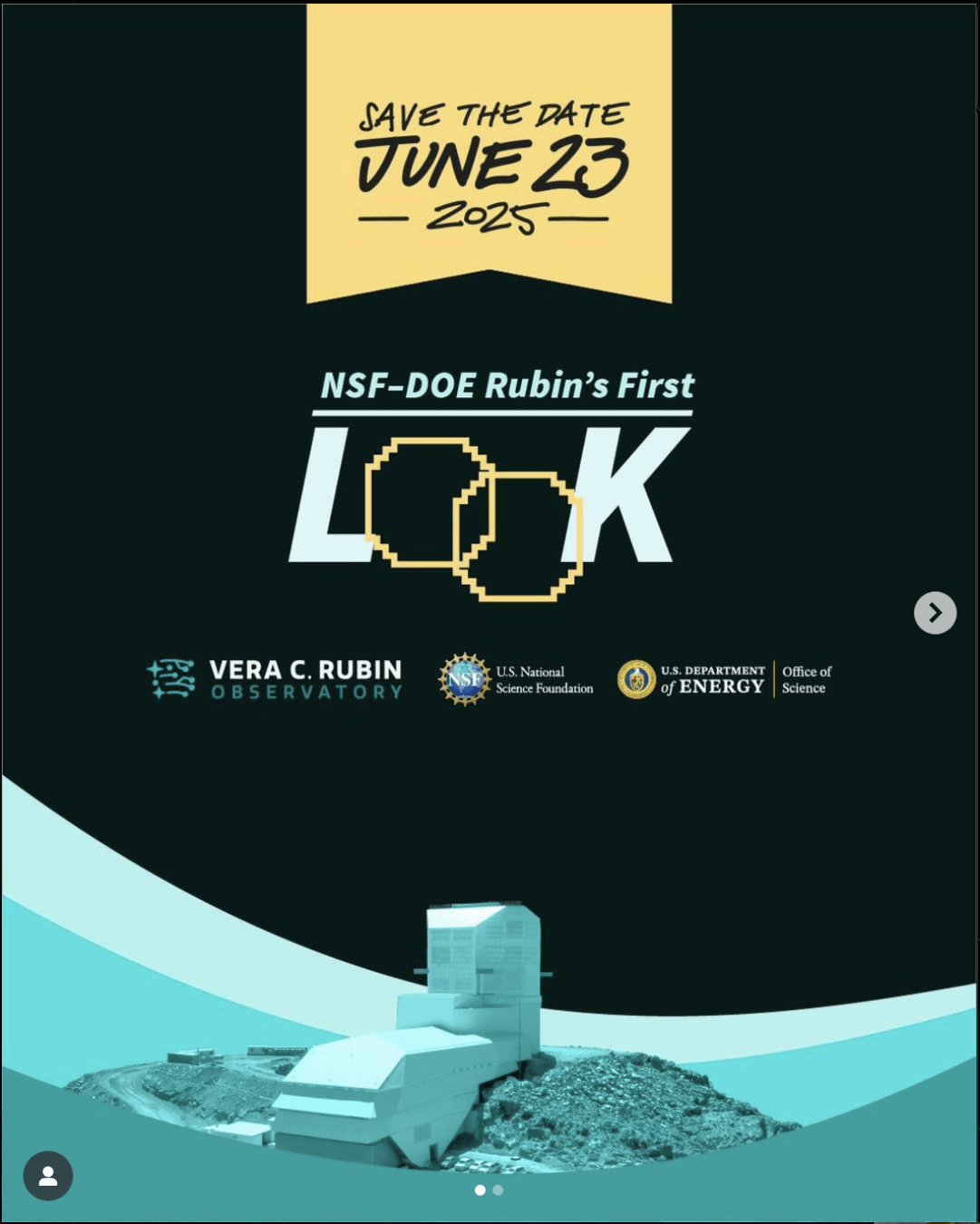
June 23 2025
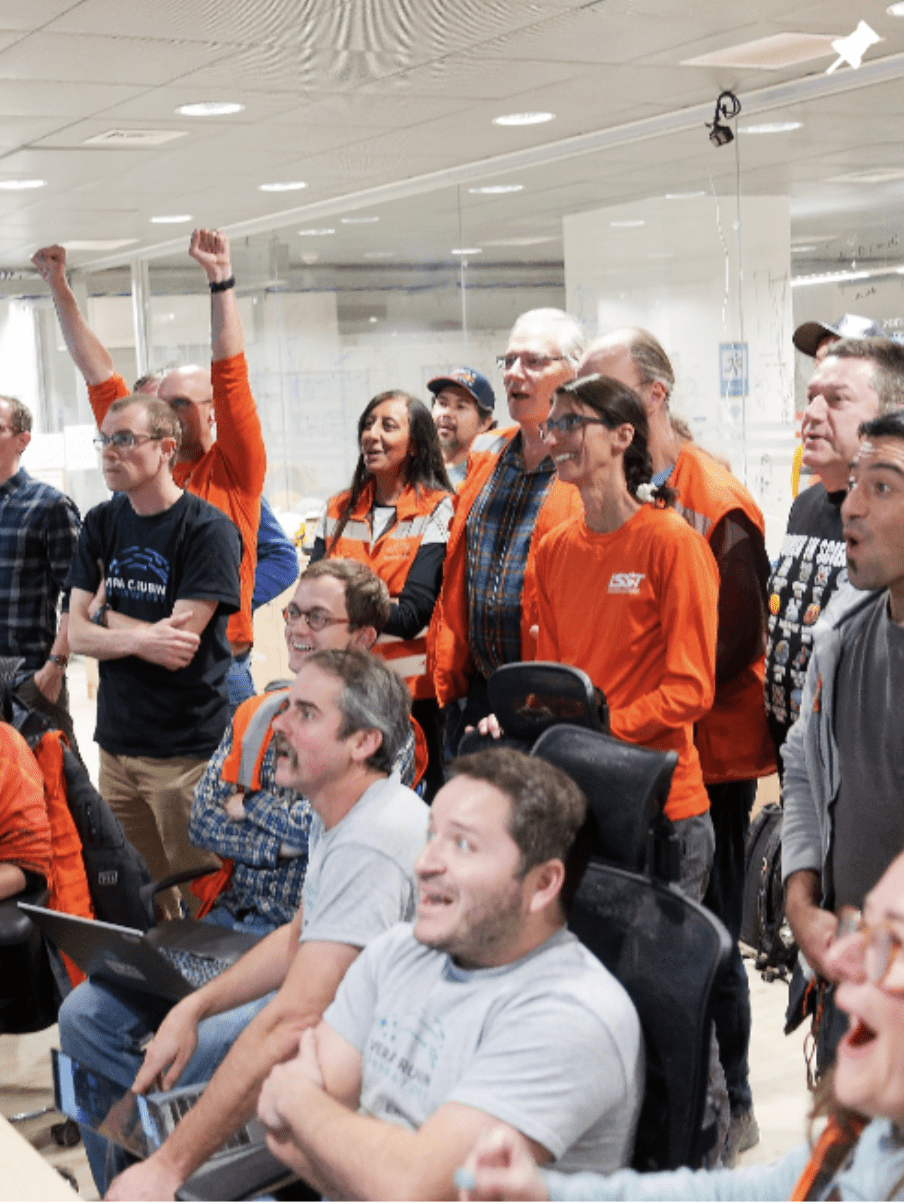
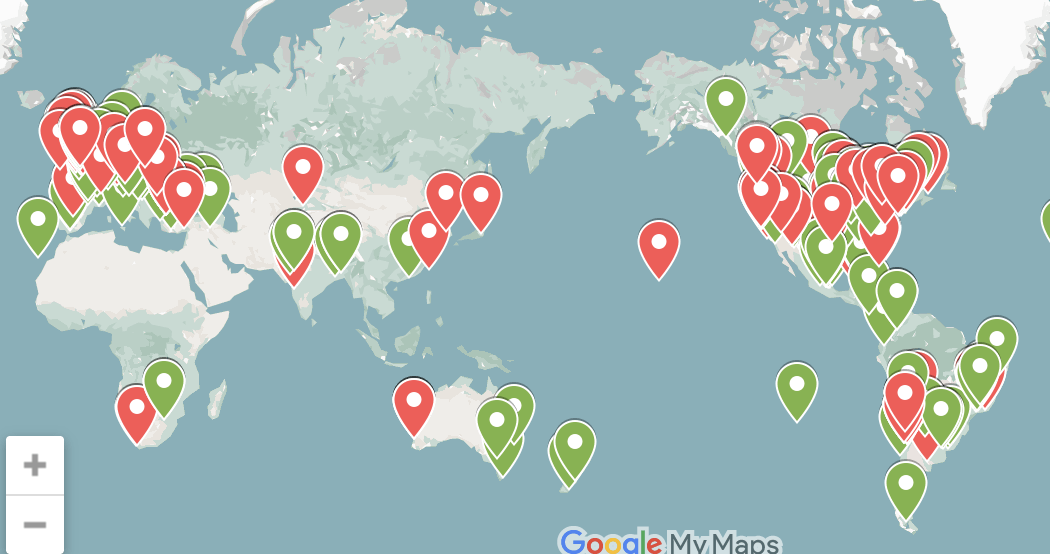
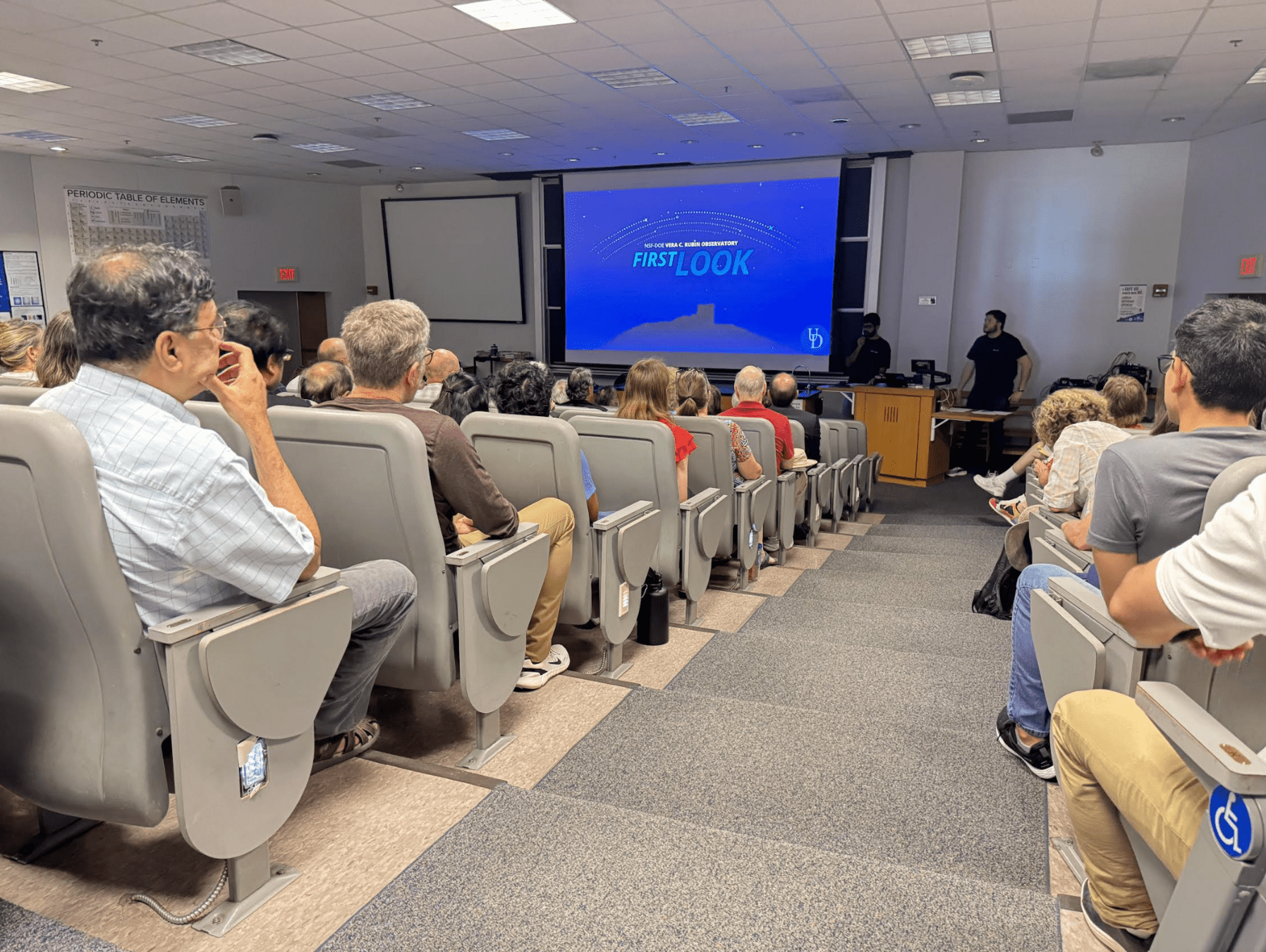
First Look party here at UD with 213 people signed up!
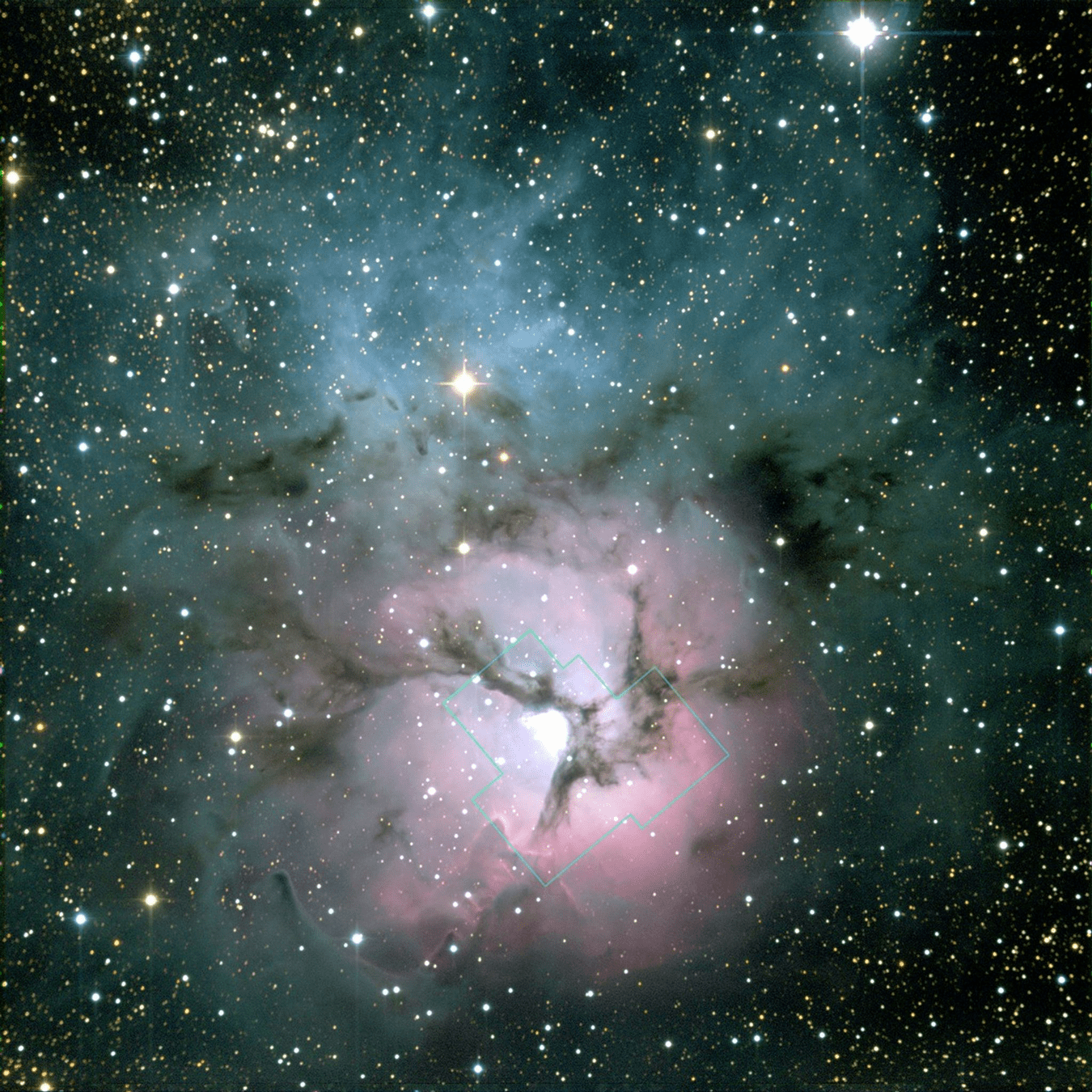
678 separate images taken in just over seven hours of observing time. Trifid nebula (top right) and the Lagoon nebula, which are several thousand light-years away from Earth. | NSF-DOE Vera C. Rubin Observatory
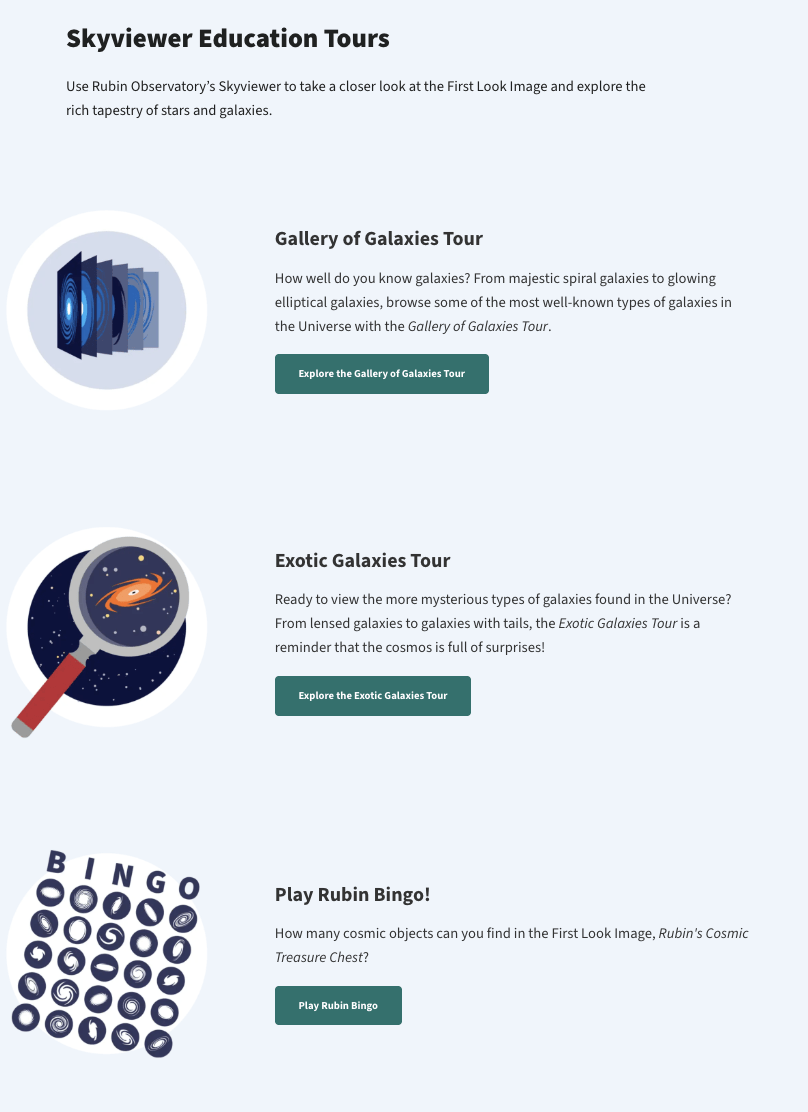
Ok, but what about teaching physics??
https://rubinobservatory.org/education
RUBIN GOT YOU!!
Why do we study stellar explosions?
Why do we study stellar explosions?
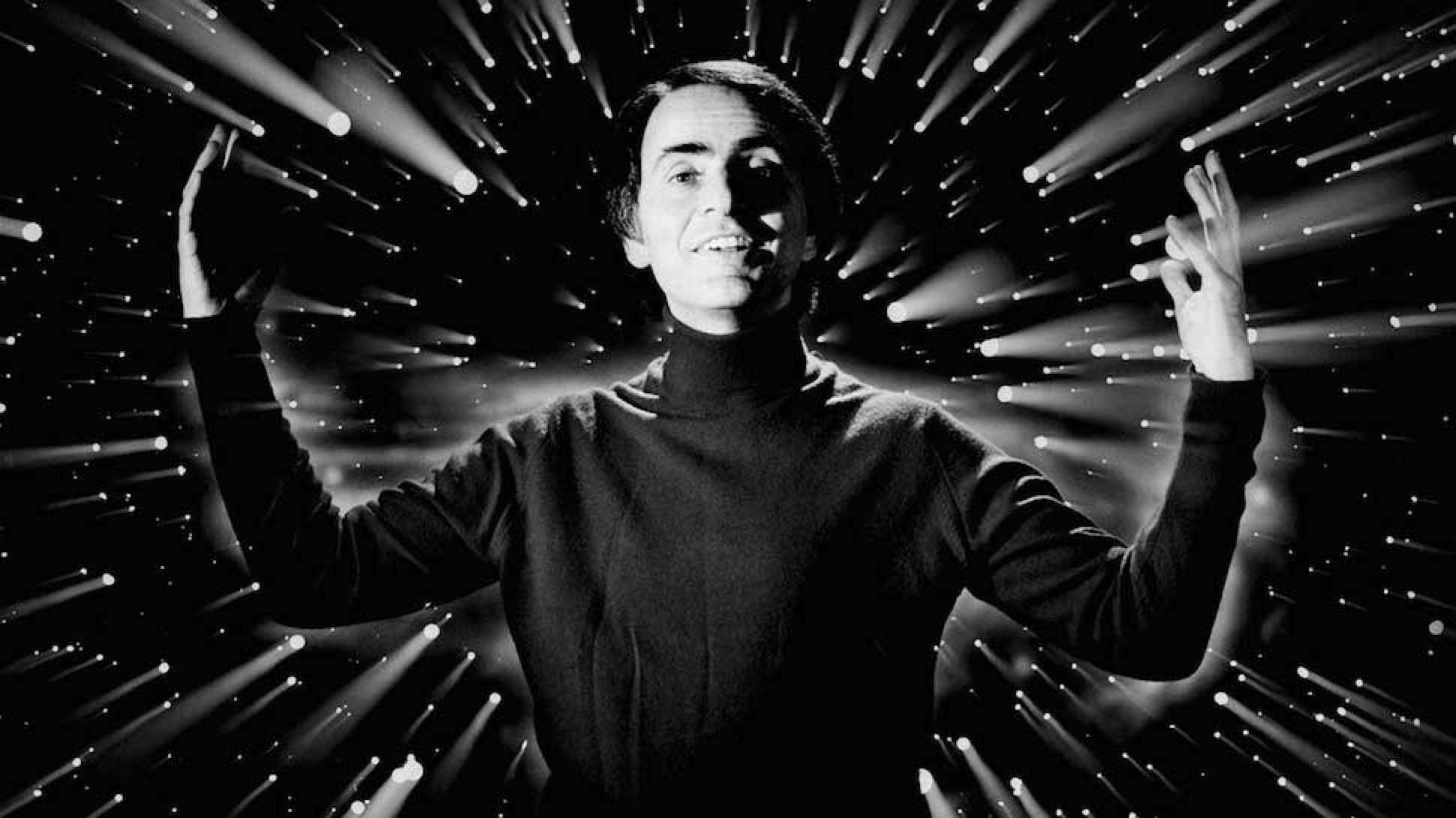
we are made of stars
The nitrogen in our DNA, the calcium in our teeth, the iron in our blood, the carbon in our apple pies were made in the interiors of collapsing stars.
We are made of starstuff.
― Carl Sagan, Cosmos
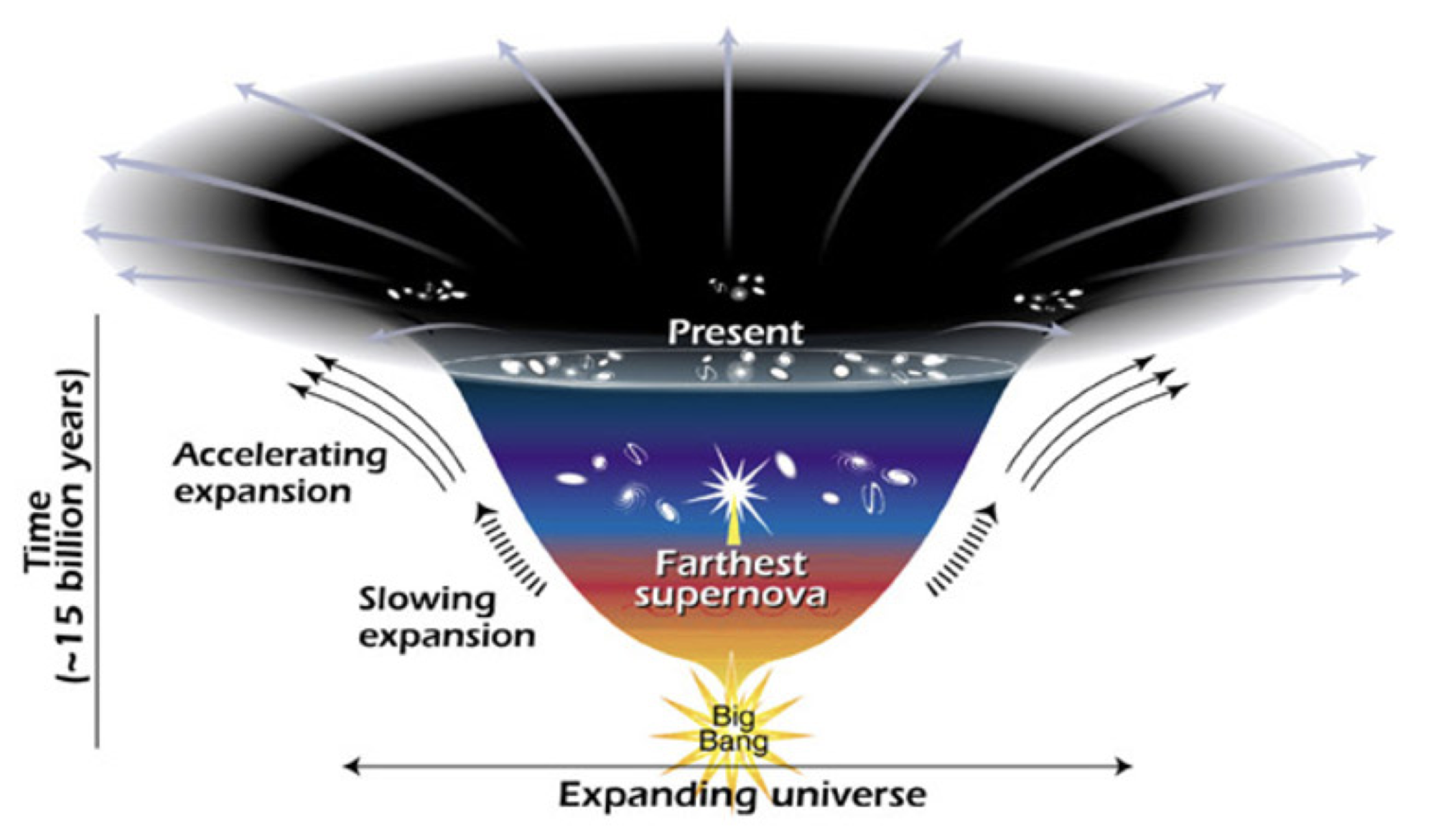
Farthest: 10.5 billion years ago
3 billion years after the Big Bang
redshift 4
Why do we study stellar explosions?
they are the best tool to "measure" the Universe
largest explosion on earth 10,000,000 erg
typical supernova....
Why do we study stellar explosions?
a unique opportunity to study extreme energy events
who'sploded?
How do we study stellar explosions?
with this much data we need Artificial Intelligence
To accomplish this, we need:
1) Dark skies - Cerro Pachon
2) a large telescope mirror to be sensitive - 8m (6.7m)
3) a large field-of-view for sky-scanning speed - 10 deg2
4) high spatial resolution, high quality images - 0.2''/pixels
5) process images in realtime to produce 10M nightly alerts and offline to produce and catalogs of all 37B objects
Objective: to provide a science-ready dataset to transform the 4 key science area
10 stars explode in the universe every second
Until the 1900s we would see 1 in a century
Until the 1980s we would see 1 in a decade
Until the 2010s we would see 1 in a month
With the Vera C. Rubin Observatory we will see 1000 every night !
+ ~40 other authors
17B Stars (x10) Ivezic+19
20B Galaxies (x10) Ivezic+19
>1M supernovae (stellar explosions)
~50 kilonovae (today 2) Setzer+19, Andreoni+19
>= 10 Interstellar Objects (today 2....
3 !)
in 60 seconds:
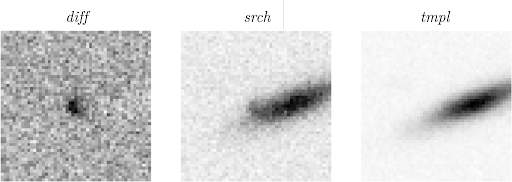
Difference Image Analysis
template
in 60 seconds:
Difference Image Analysis
template
difference image
in 60 seconds:
Difference Image Analysis
template
difference image
with this much data we need Artificial Intelligence
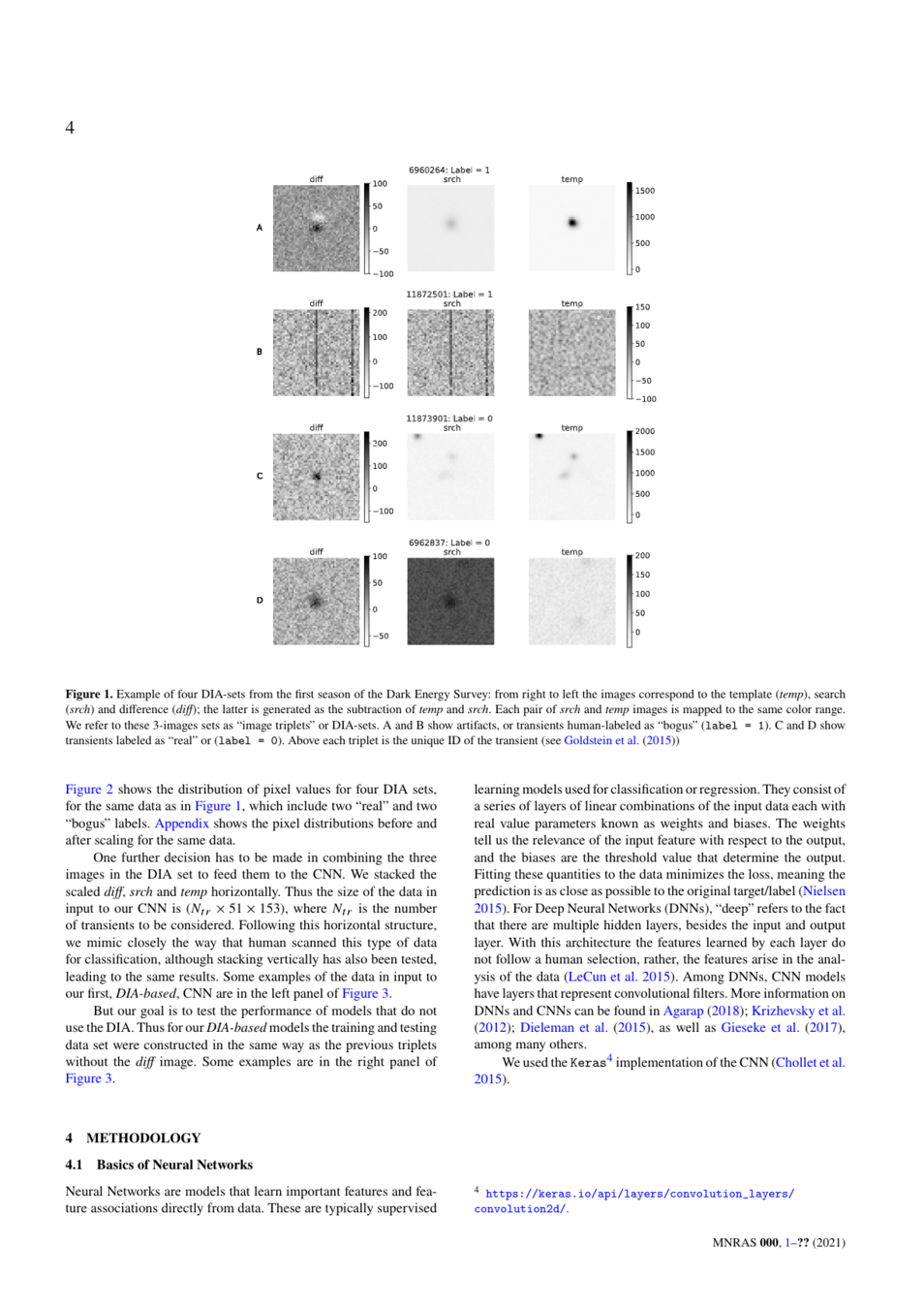
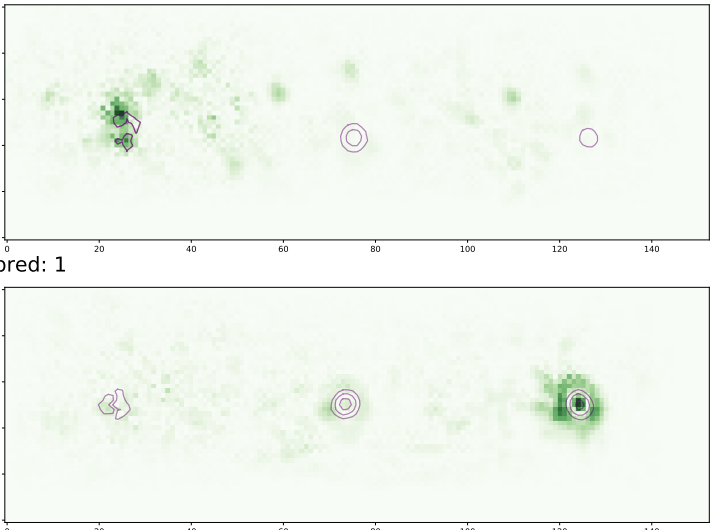
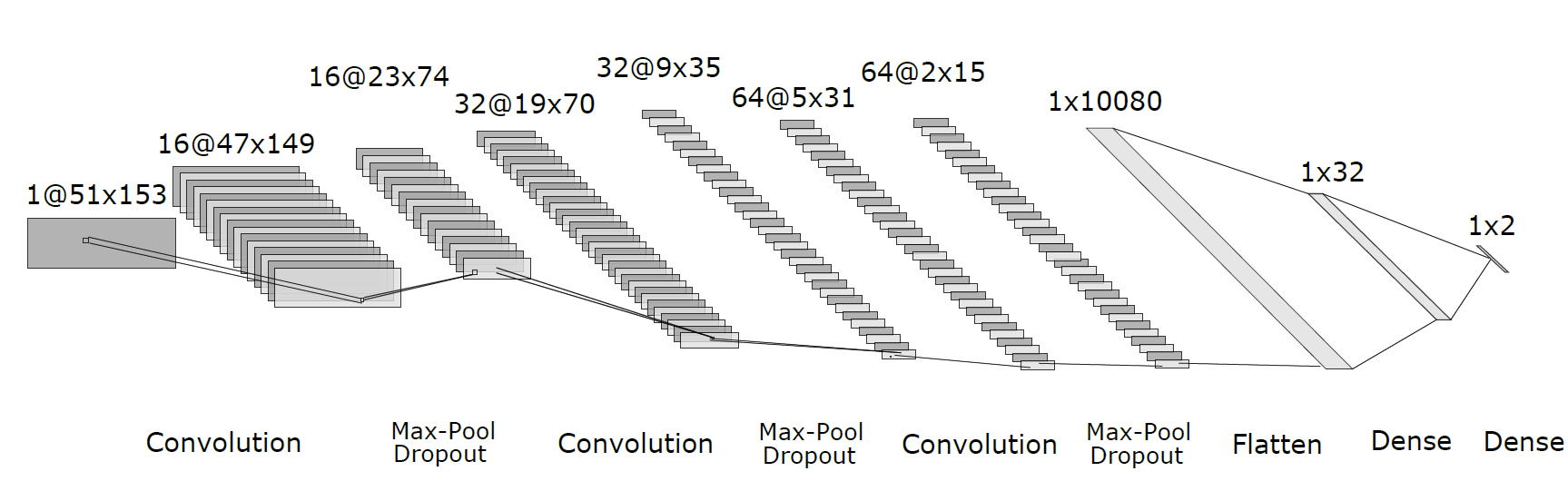
Improving the efficiency of transient detections with Neural Networks
search
template
difference
-
=
Saliency maps: what pixels matter?
search
template
difference
95% accurate
Acero-Cuellar et al. DESC submitted
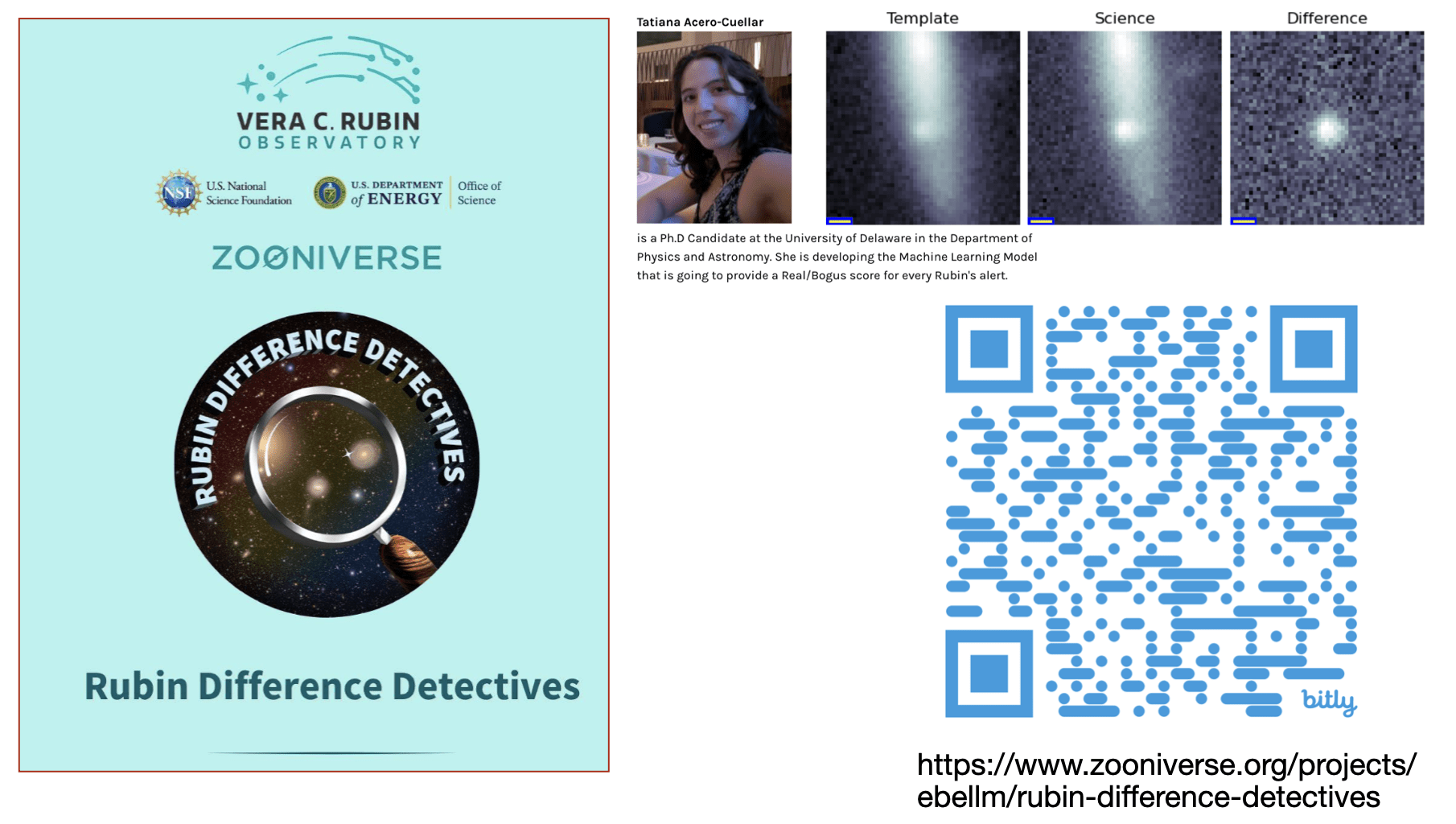
Tatiana Acero-Cuellar
UNIDEL fellow,
LSST Data Science Fellow
Boone 2017
visualizatoin and concept credit: Alex Razim
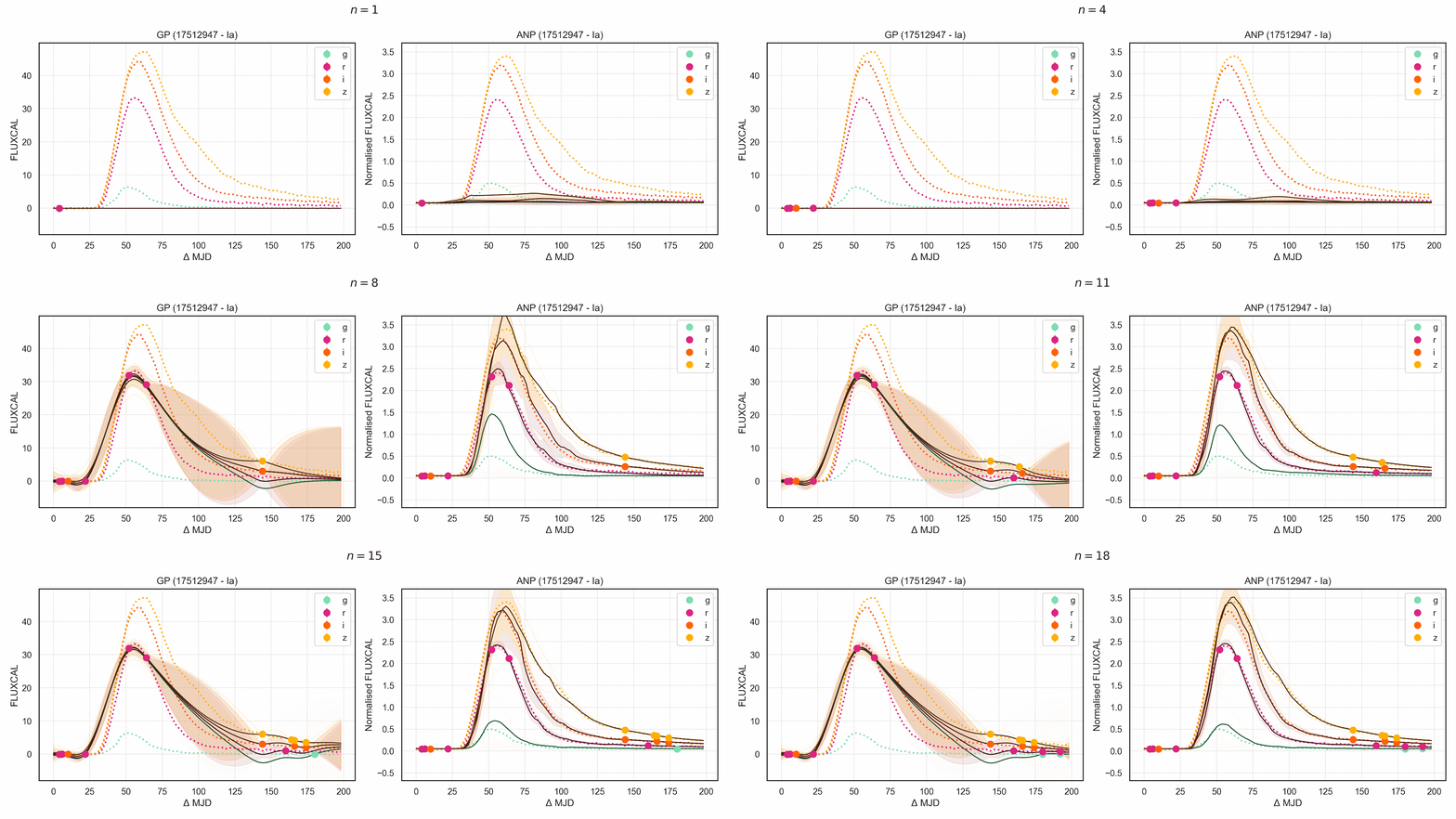
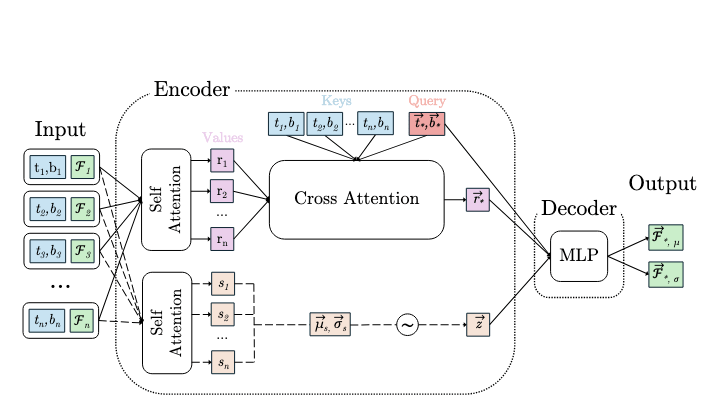
Neural processes replaces the imposed kernel with a learned model: an artificial neural network
AI approaches to sparse sampling
Siddharth Chaini
NASA FINESST fellow
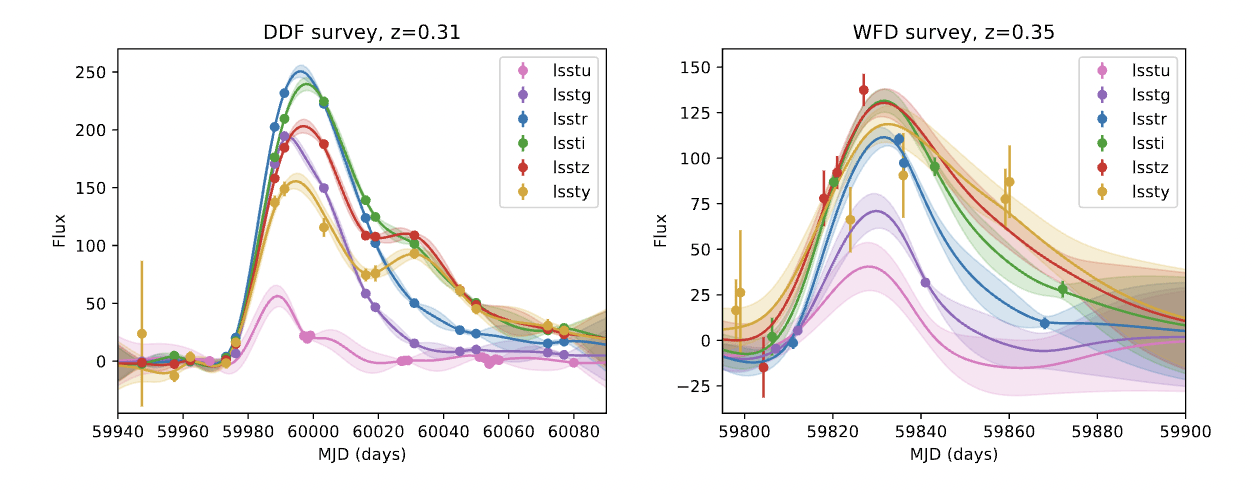
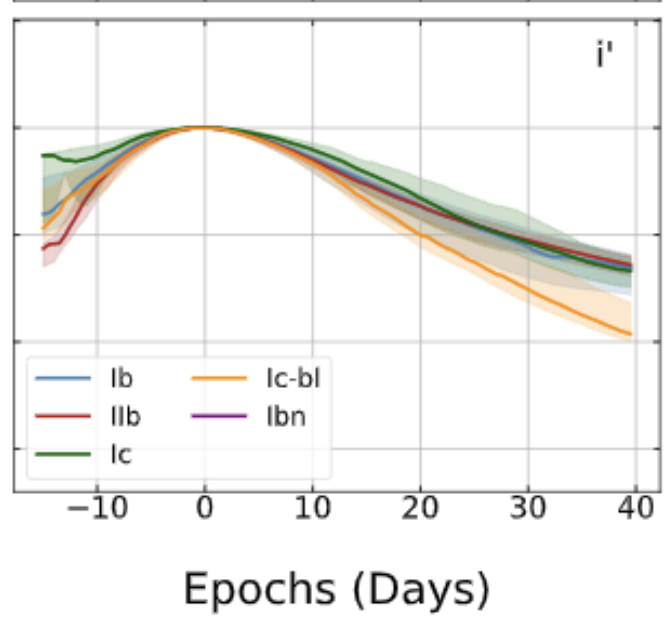
Can we study unusual SNe with Rubin data alone?
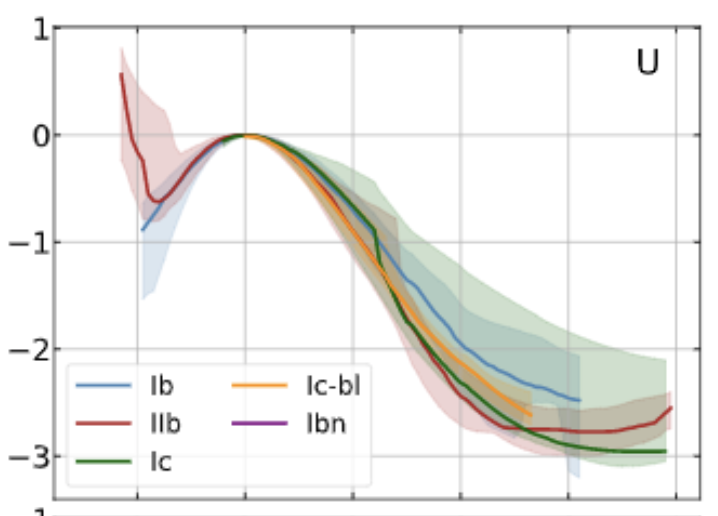
Data Driven Templates for rare classes of supernovae arising from massive stars: can we tell them apart from sparse LSST data lightcurves?
Creating templates from over 1000 photometry of "Stripped Envelope" Supernovae
Text
Khakpash+ 2024
Dr. Somayeh Khakpash
Catalyst Fellow
Data Science / AI
is a required tool in the modern physicists toolset
Providing career opportunities for our physics students in and outside of physics
Data Science provides an opportunity for inclusion in STEM
Including students from population traditionally withheld from STEM
Including STEM newcomers
Introducing students to research methods
Validating Student's Background, Experience, Domain knowledge, Creativity and Providing Career Paths
Most barriers to AI are due to gate keeping - methods are not that different from traditional analysis
Demystifying AI to grow informed and responsible citizens
Award #2123264: to develop accessible and equitable data science pedagogical programs and build capacity for Data Science education at HBCUs
Machine Learning for Natural Scientists
Grads - Physics and Math students
Machine Learning for Time Series Analysis
grad - Natural Sciences
Foundations of Data Science for Everyone
Undergrads - Jointly tought at UD and Lincoln University (first degree granting HBCU )
undergraduate students from various disciplines:
different backgrounds
no functional coding
no experience with unstructured homework
advanced UG and Grad students:
domain experience
varying coding background
some experience w quantitative inference
varying experience with unstructured homework
Focus on questions, not on answers
Live coding by the students and instructur
equalizing technology access:
Slack (or discourse), GitHub, GoogleColab, tableau, google earth, Python
validating everyone's background
(in project ideation and by assigned roles: data steward, domain expert, methodology design lead)
real problems from the literature (scientific or public access work, including blogs, medium posts) that are relevant to students' lives
students unpack ethical aspects of each project
Data Ethics is a core course of the UD MSDS
Teach them to use AI to facilitate coding,
but not to skip over the understanding bit
demystify coding and Data Science concepts
Grading: while I talk a lot about coding practices, the grade is always only based on the analysis, not the code:
(1) are the figure telling the story and telling it correctly
(2) figure captions - are the figures interpreted correctly
(3) reproducibility: does the code run
@fedhere
We can make the scientific community a community of practice funded compassion and cooperation
is a word I am borrowing from Margaret Atwood to describe the fact that the future is us.
However loathsome or loving we are, so will we be.
Whereas utopias are the stuff of dream dystopias are the stuff of nightmares, ustopias are what we create together when we are wide awake
US-TOPIA
thank you!
University of Delaware
Department of Physics and Astronomy
Biden School of Public Policy and Administration
Data Science Institute
federica bianco
Grad student
Postdoc
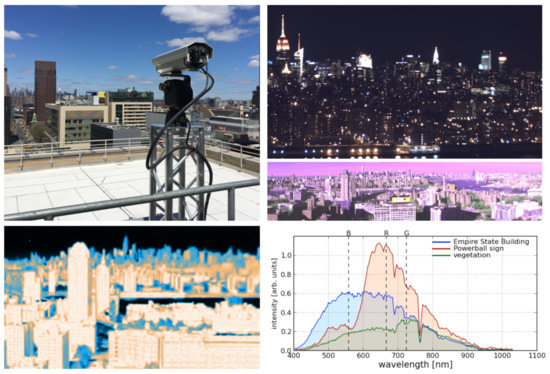
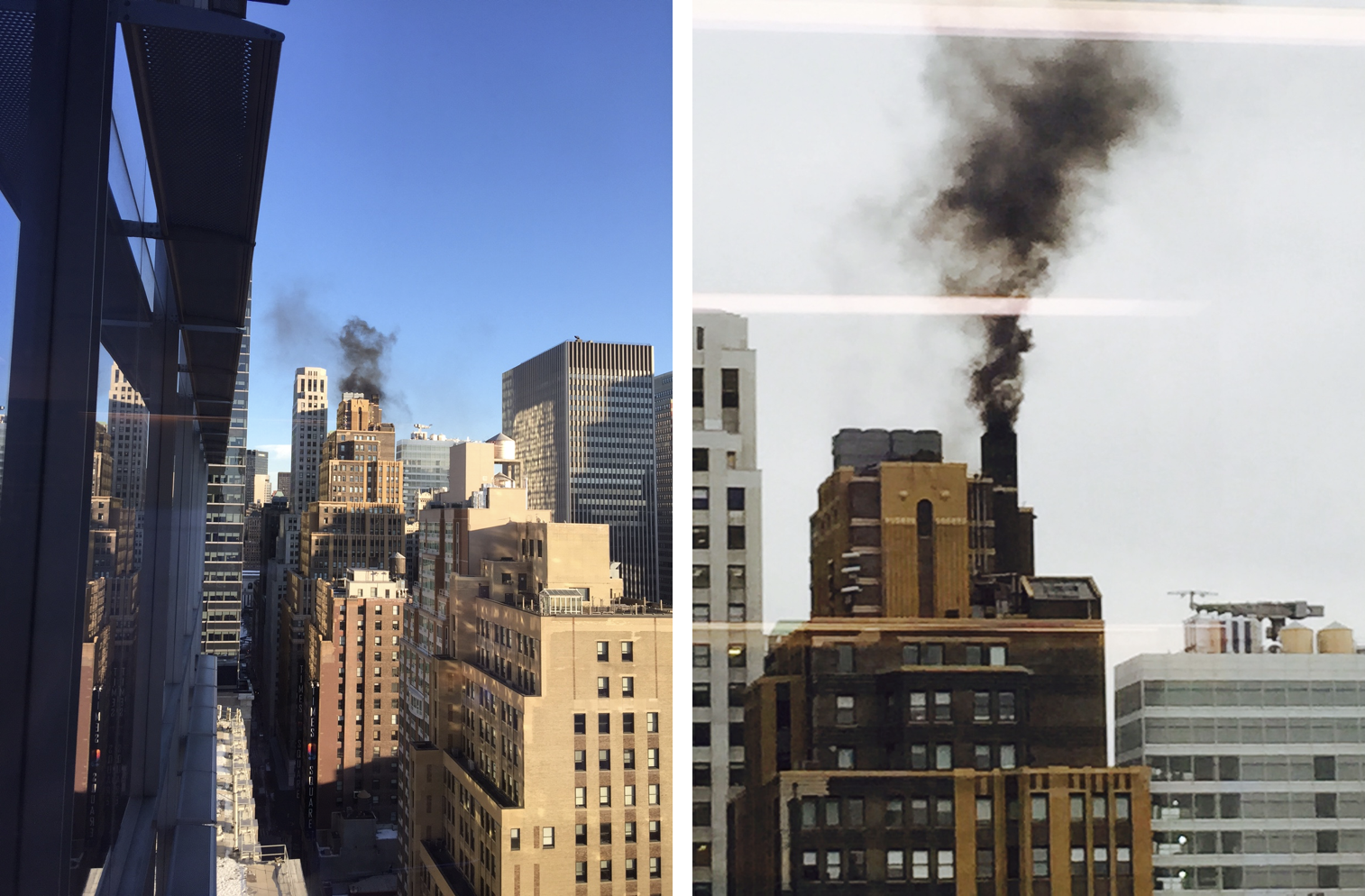
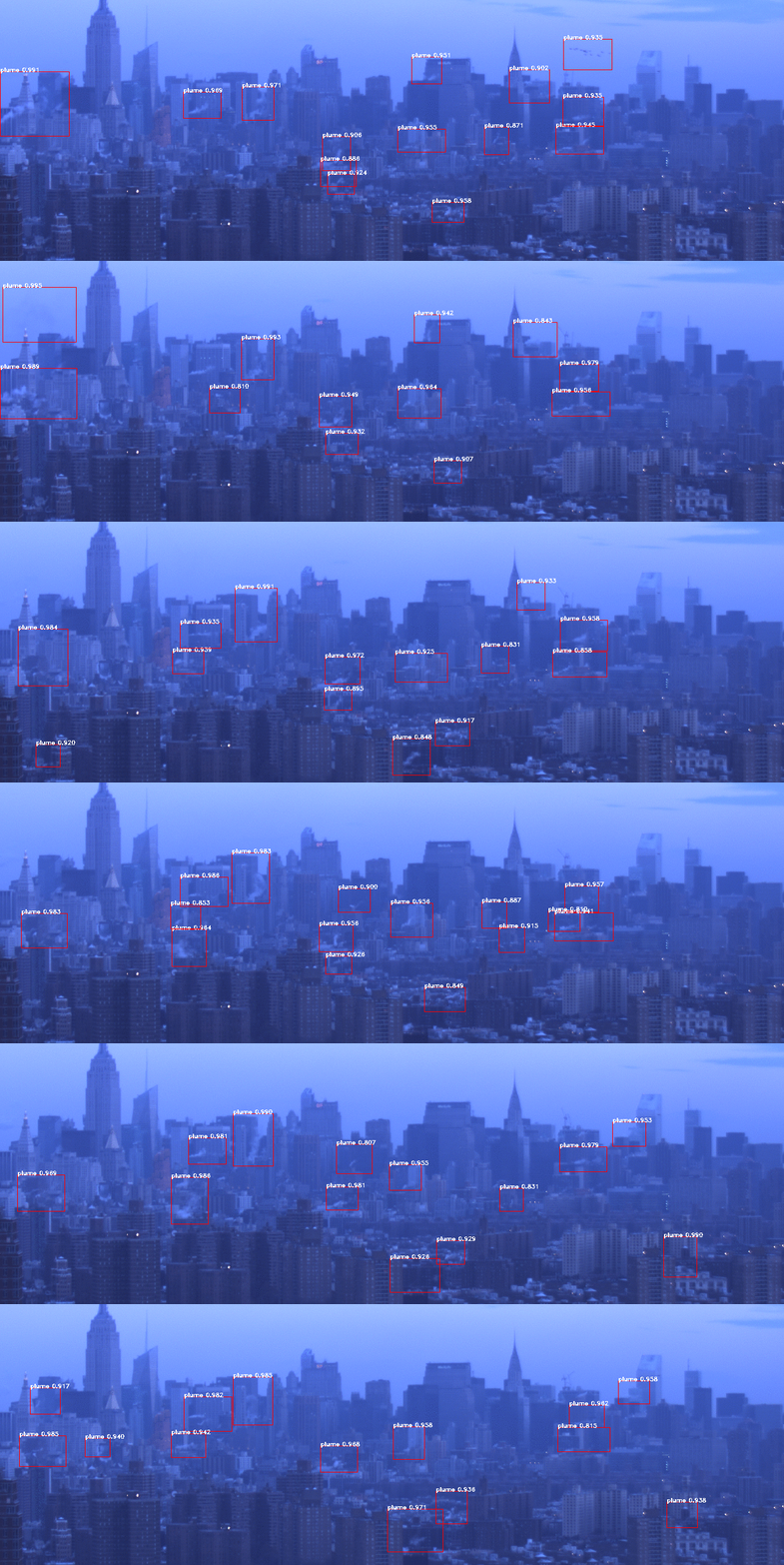
Multi-city Urban Observatory Network
Studying cities as complex systems through imaging data
Multi-city Urban Observatory Network
Studying cities as complex systems through imaging data
Multi-city Urban Observatory Network
Testing the performance of MetaAI SAM on astronomical objects
Instead of building our own specialized AI, can we adapt the models that the industry produces?
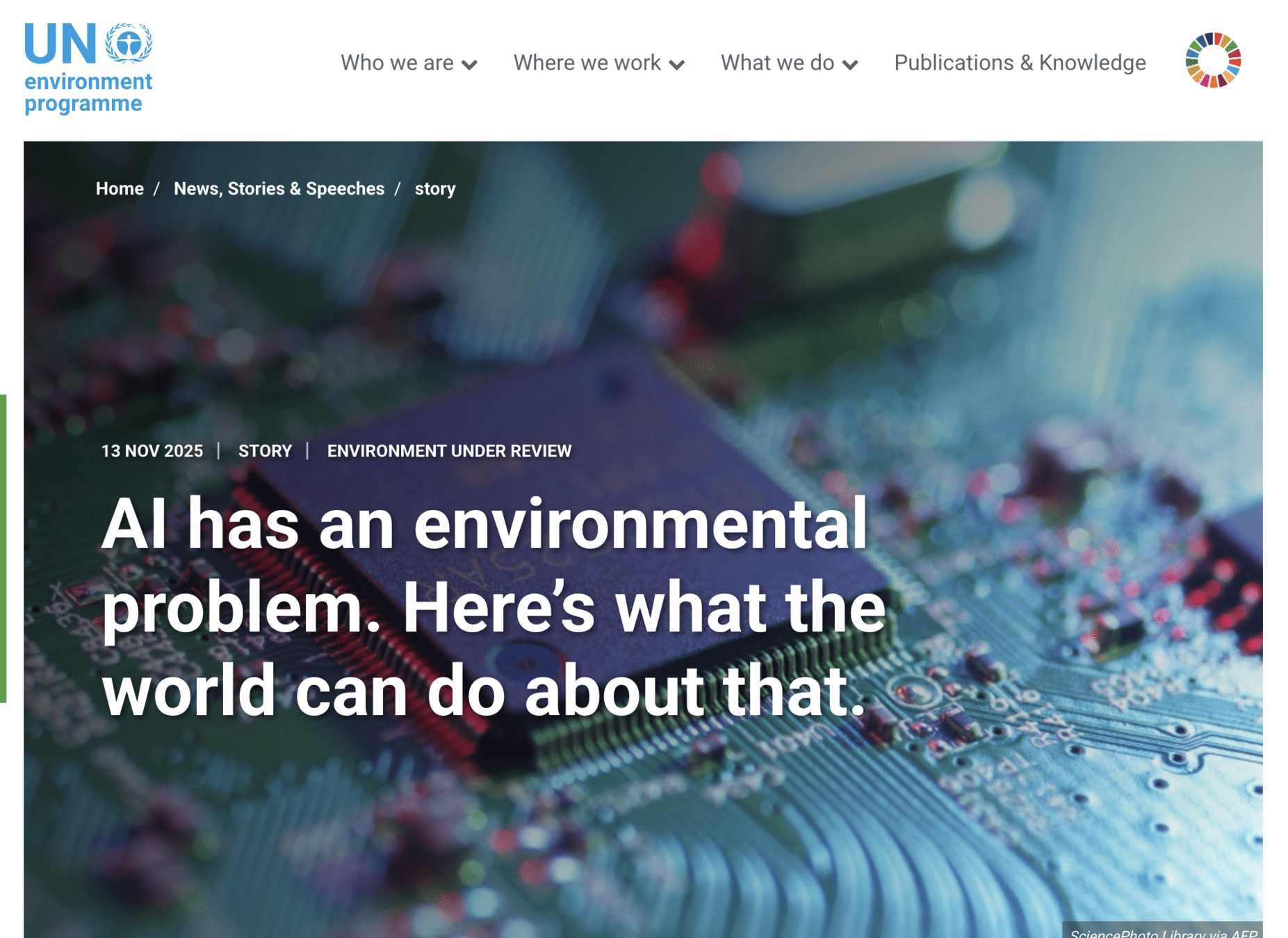
That would save a lot of computational resources and computational resources have an environmental footprint!
Award #2123264
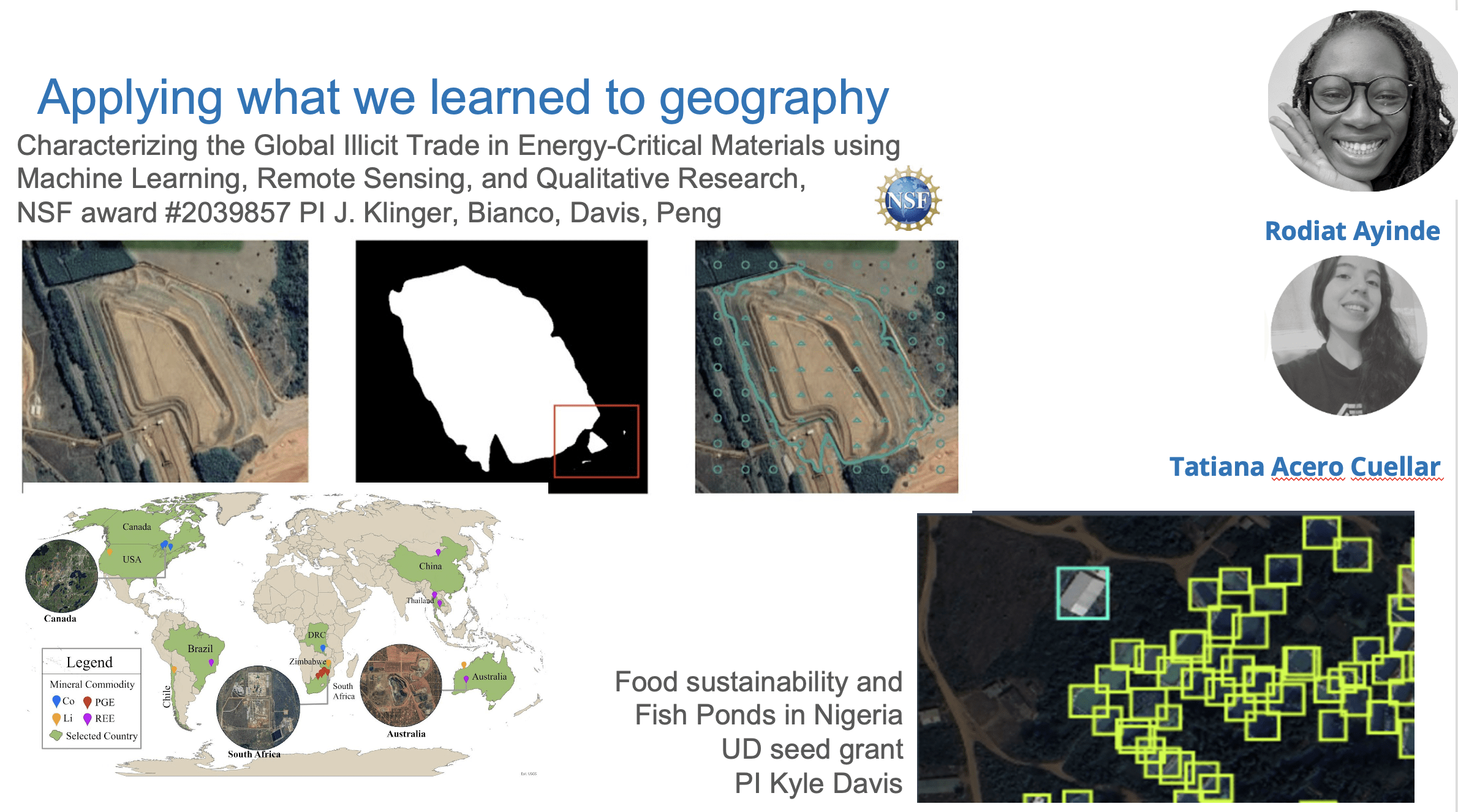
Rodiat Ayinde and Tatiana Acero Cuellar are applying the computer vision models they developed for astronomy to geography
Tatiana Acero Cuellar
NASA - Hubble Legacy Field Zoom-Out
https://baptistnews.com/article/we-do-not-know-all-the-names/
Training a single large model like a ResNet-50 on a standard GPU (e.g., NVIDIA V100) for a few epochs on ImageNet (1.2M images) can emit roughly ~100-150 kg CO₂or the CO₂ equivalent of a short flight.
But how many models are you training in development?
7 bands
sparse data
Award #2308016
Award #2123264
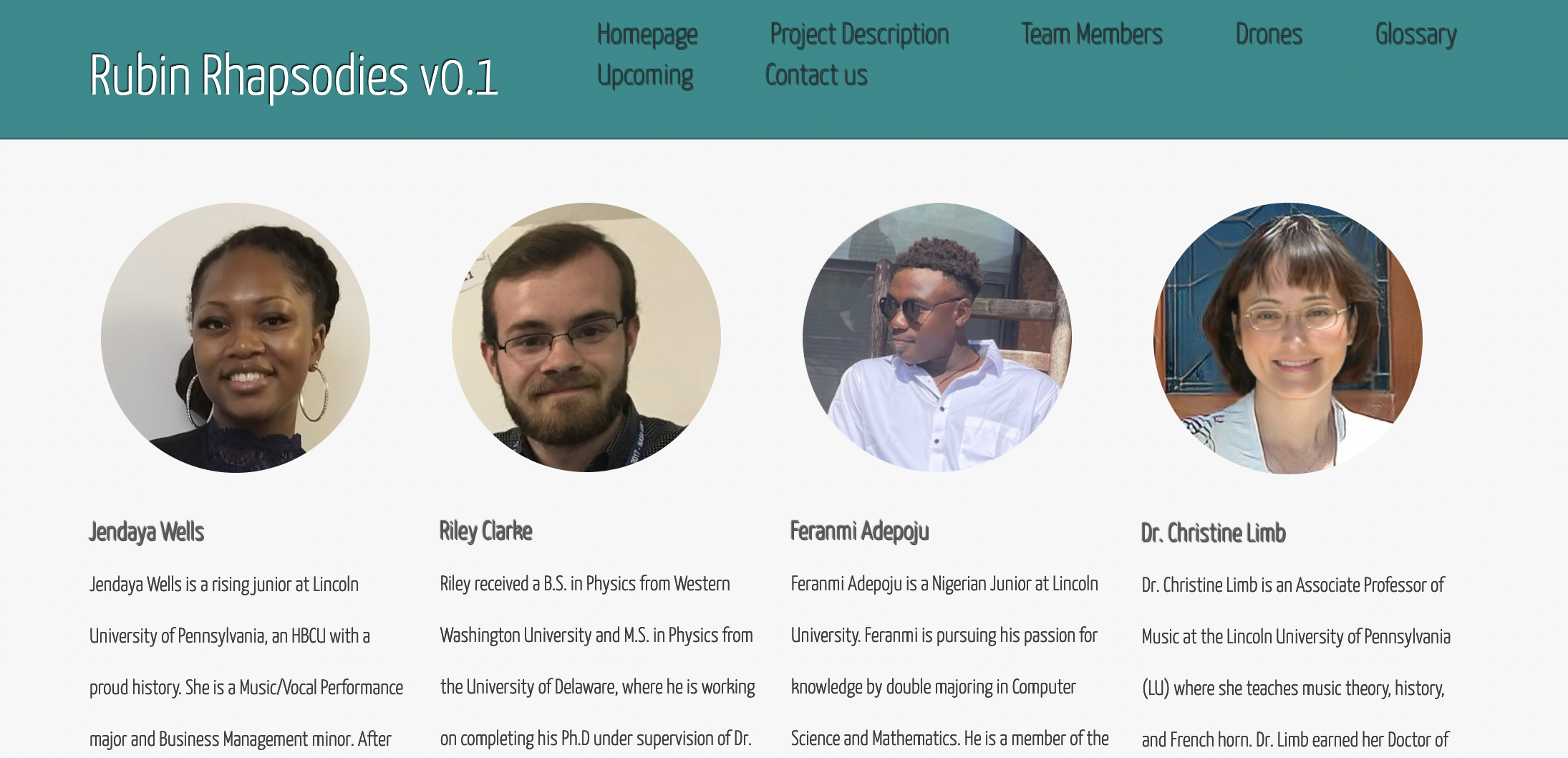
Rubin Rhapsodies:
a project to give access to LSST data through sound
7 bands
sparse data
Award #2308016
Award #2123264
Rubin Rhapsodies:
a project to give access to LSST data through sound
7 bands
sparse data
Award #2308016
Award #2123264
Rubin Rhapsodies:
a project to give access to LSST data through sound
What's even harder to study than stellar explosions?
Shar Daniels is a NSF Graduate Research Fellow.
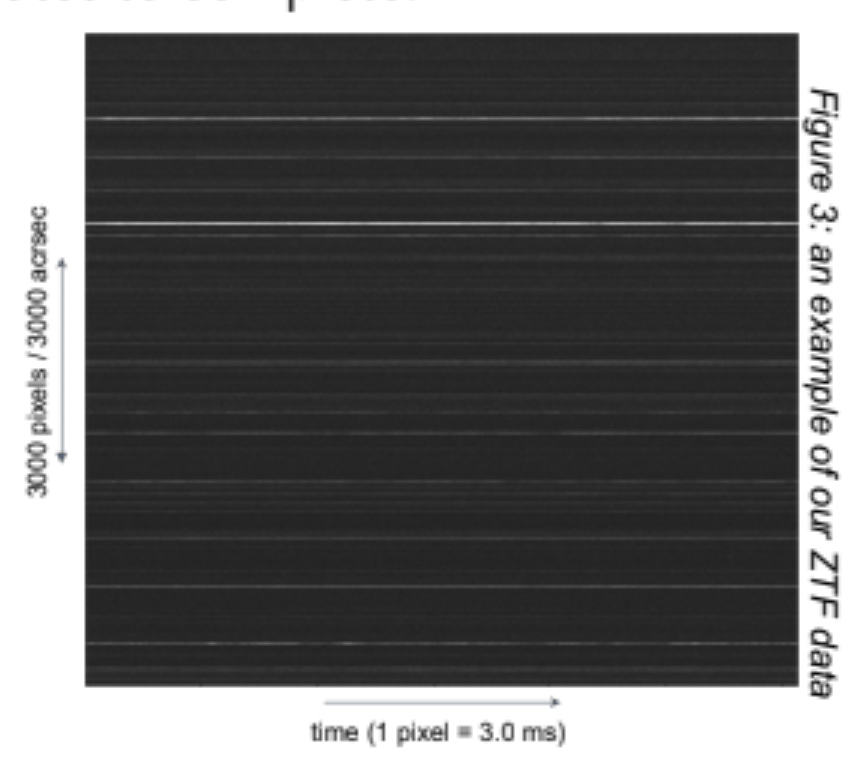
They use telescopes and cameras in innovative ways to show the stars in their time evolution at milliseconds rate
and uses cutting edge AI (transformers) to discover new physical phenomena
NSF Graduate Research
Fellowship Program
time: 1 pixel = 3.0 milliseconds
space: 1 pixel = 1 arcsecond
What's even harder to study than stellar explosions?
Any phenomenon that changes rapidly, in less than hours, is a technological challenge in astronomy
What's even harder to study than stellar explosions?
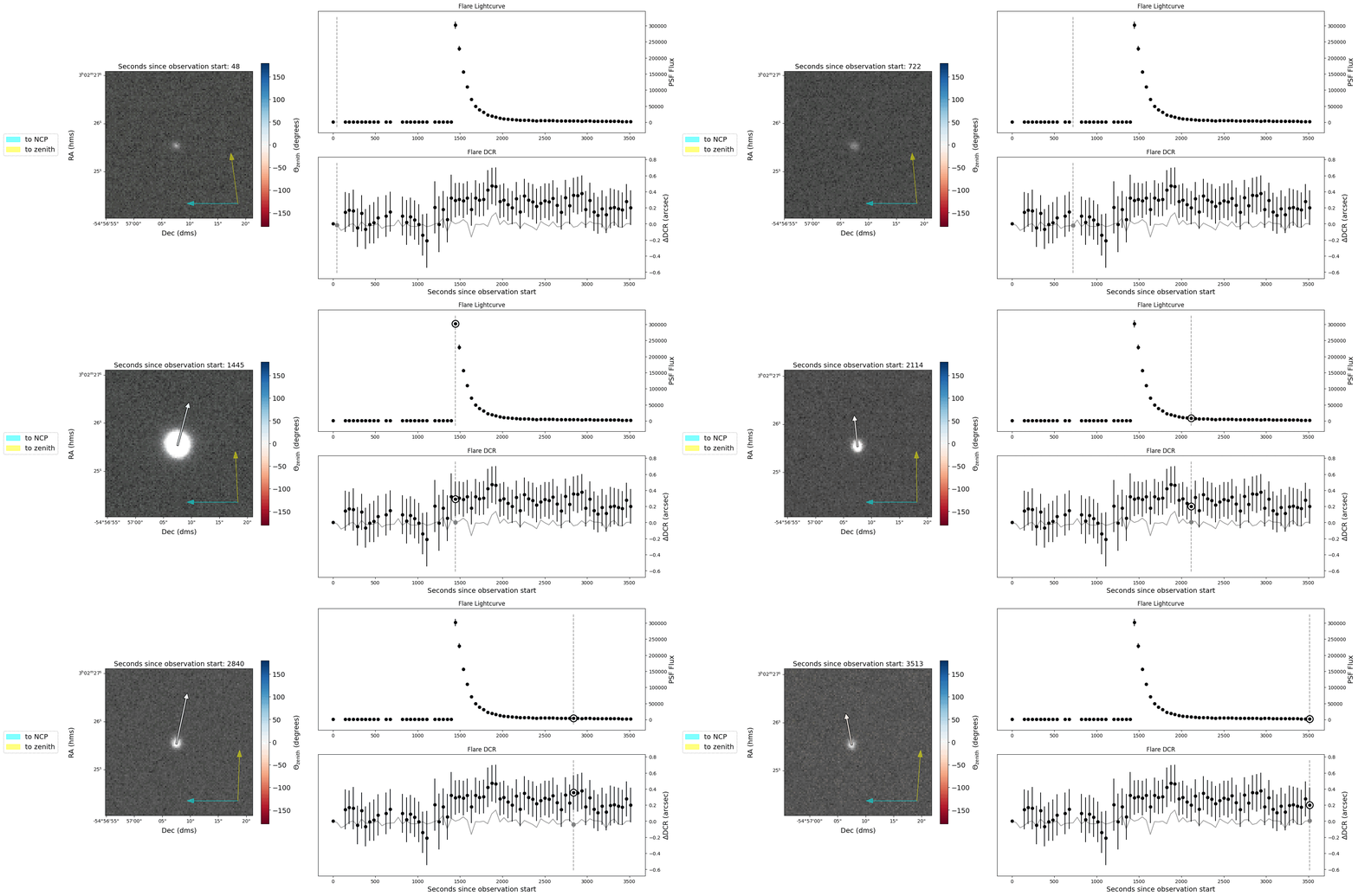
Stellar flares are short lived (~minutes) brightening events caused by magnetic reconnections in stars' atmospheres. Stellar flare impact planetary habitability. Fast and unpredictable, they are hard to study and their physical properties, like temperature, are poorly constrained.
Award #2308016
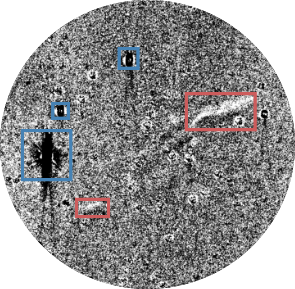
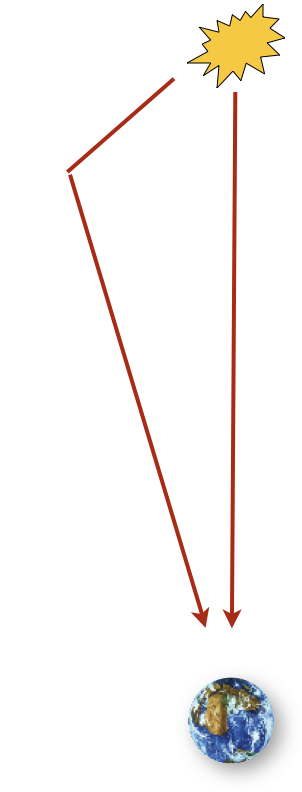
Light Echoes
Light Echoes
supernova, star eruption, stellar merger
interstellar dust
←this is where you are
Light Echoes
Light Echoes
supernova, star eruption, stellar merger, stellar variability
interstellar dust
←this is where you are
Light Echoes
interstellar dust
←this is where you are
supernova, star eruption, stellar merger, stellar variability
Light Echoes
Light Echoes
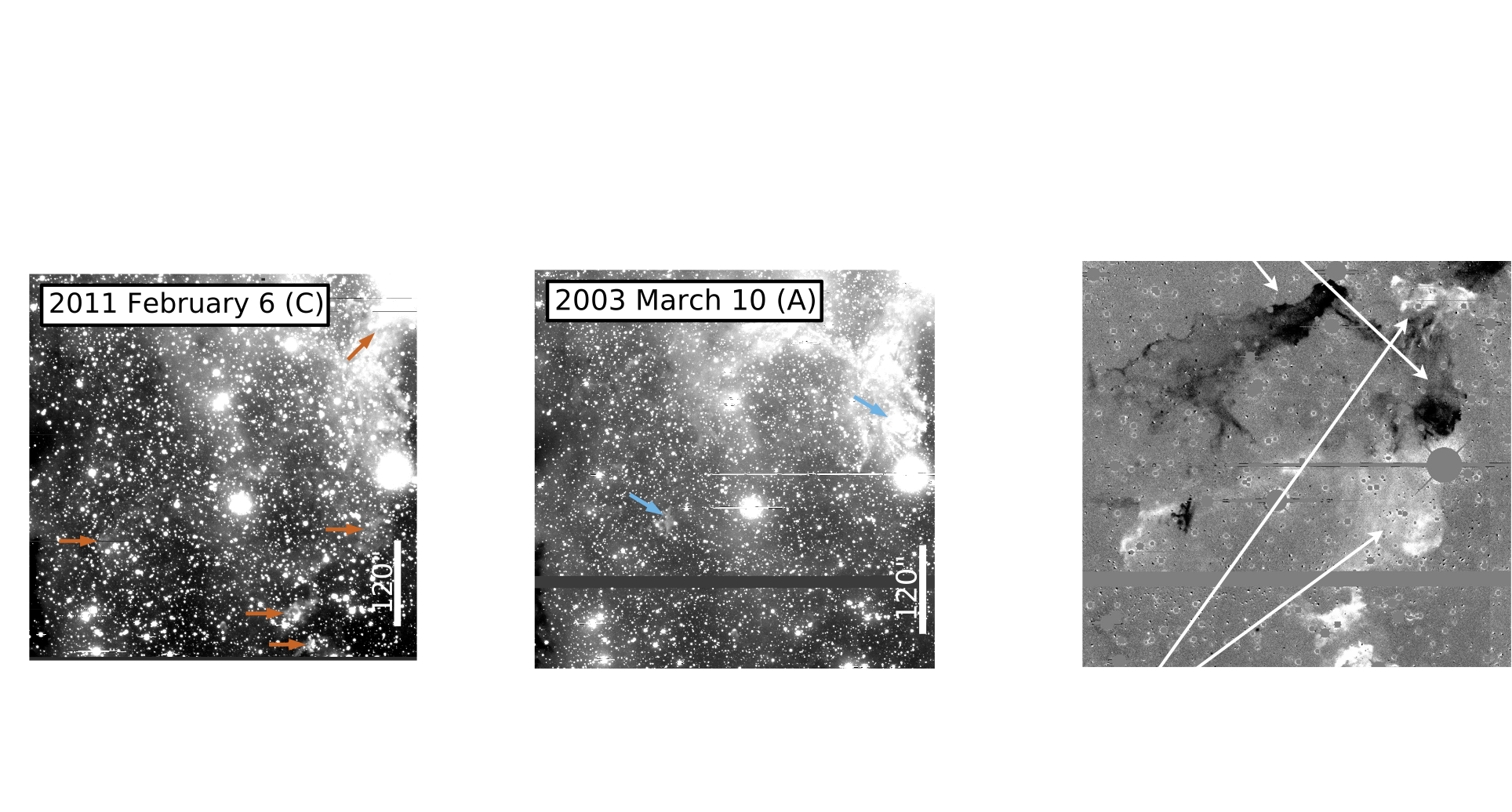
η-Carinae light echoes
Rest et al. (w Bianco) 2012Natur.482..375R
Light Echoes
η-Carinae light echoes
Frew 2004, Smith & Frew 2011
Light Echoes
η-Carinae light echoes
Light echoes are like a time machine:
but they are so hard to find!
Xiaolong Li LSST Catalyst Fellow.
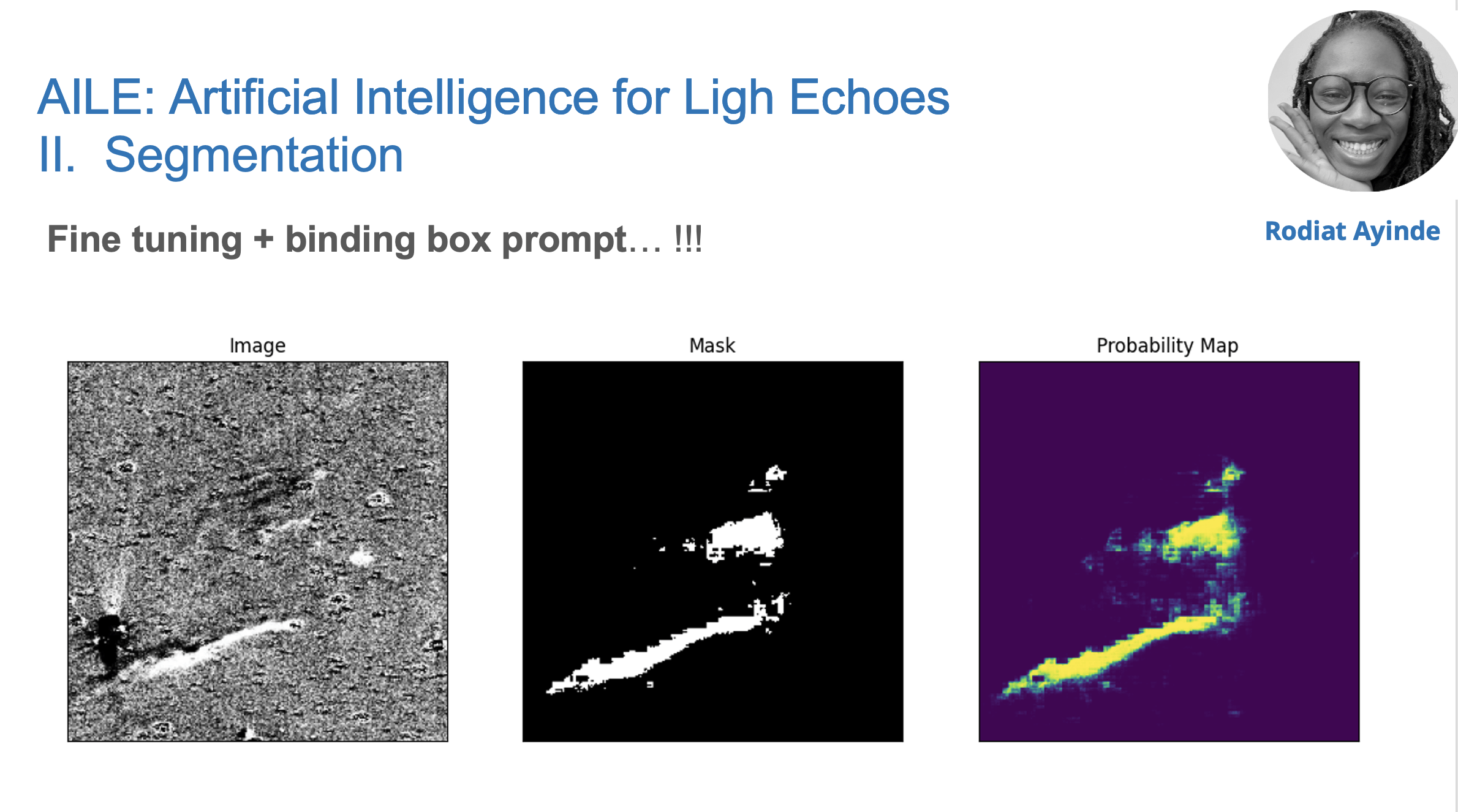
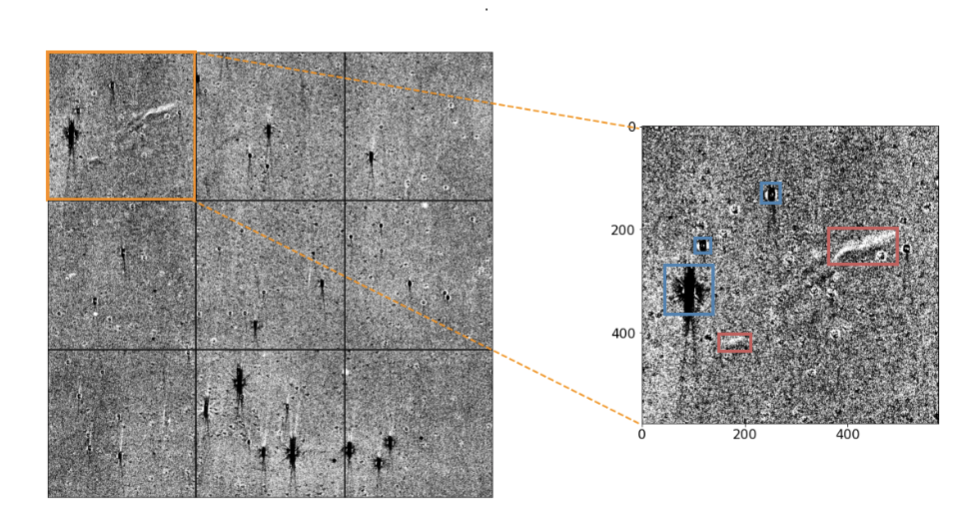
AILE: the first AI-based platform for the detection and study of Light Echoes
Award #2108841
Li et al. 2019
AILE: the first AI-based platform for the detection and study of Light Echoes
Tatiana Acero Cuellar is a UNIDEL fellow:
she is Building simulated light echo images to help train AI models
If light echoes are too rare to build large training set to train AI, can we generate realistic light echo images with simulations?
Award #2108841
By federica bianco
Bringing the stars to the people