




























Content ITV
This is Itvedant Content department
Learning Outcome
4
Explain the ecosystem using a simple analogy.
3
Recognize how a prompt flows to a generated response.
2
Identify the main components and their roles.
1
Understand the Generative AI Ecosystem and its purpose.
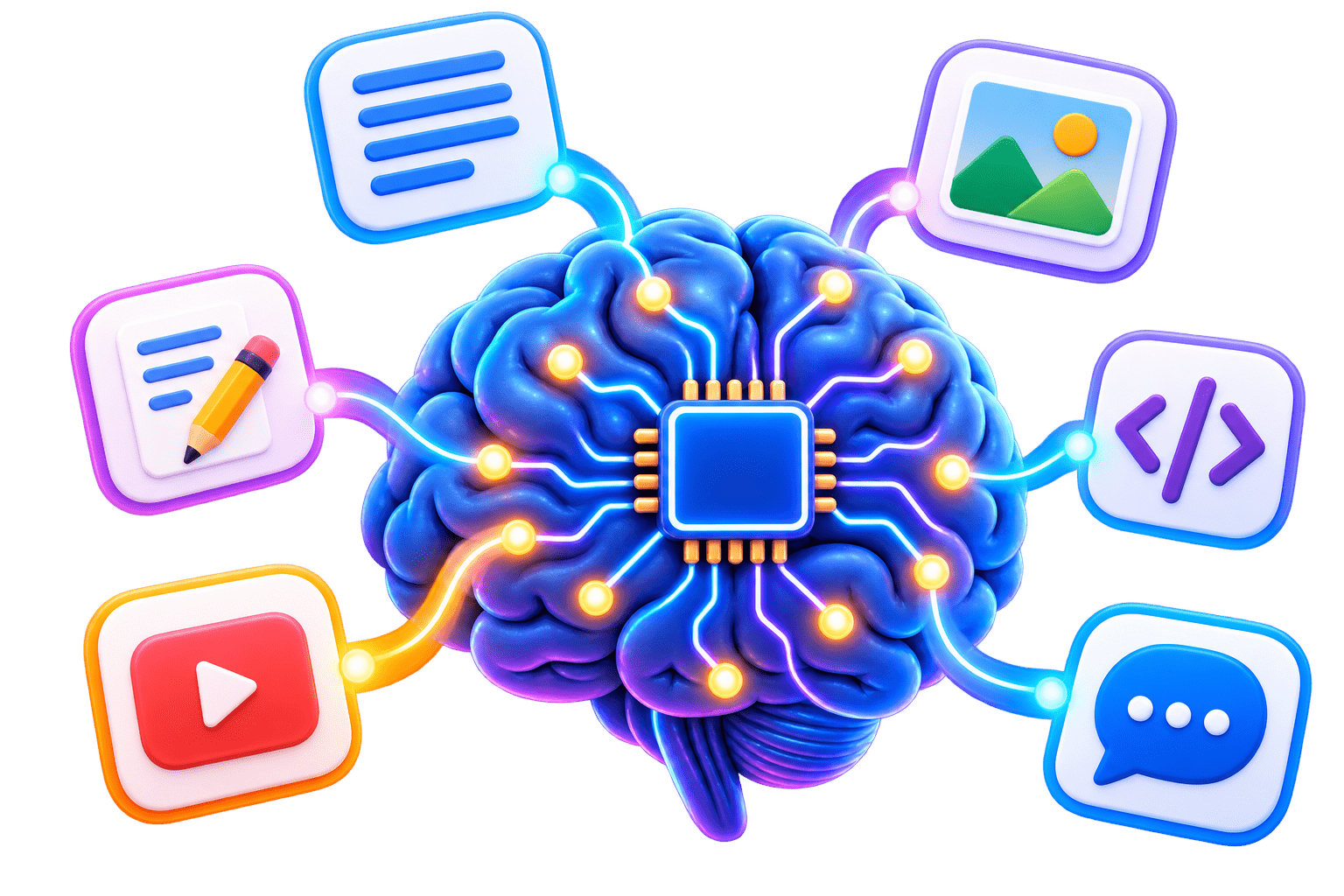
LLMs are AI models trained on massive amounts of text.
LLM can understand, generate, and communicate in human language.
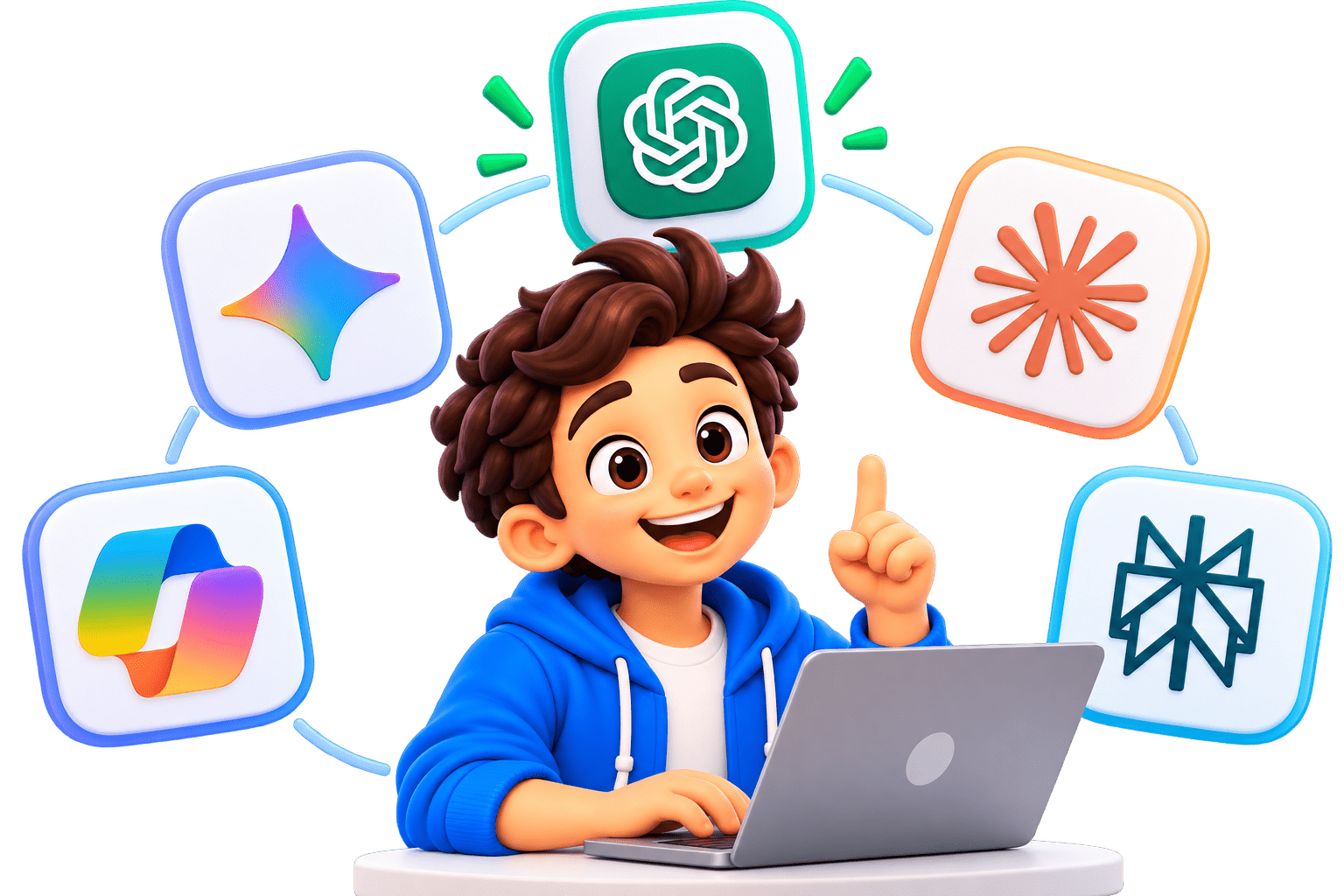
LLMs power tools like ChatGPT, Gemini, and Claude.
LLMs power tools like ChatGPT, Gemini, and Claude.
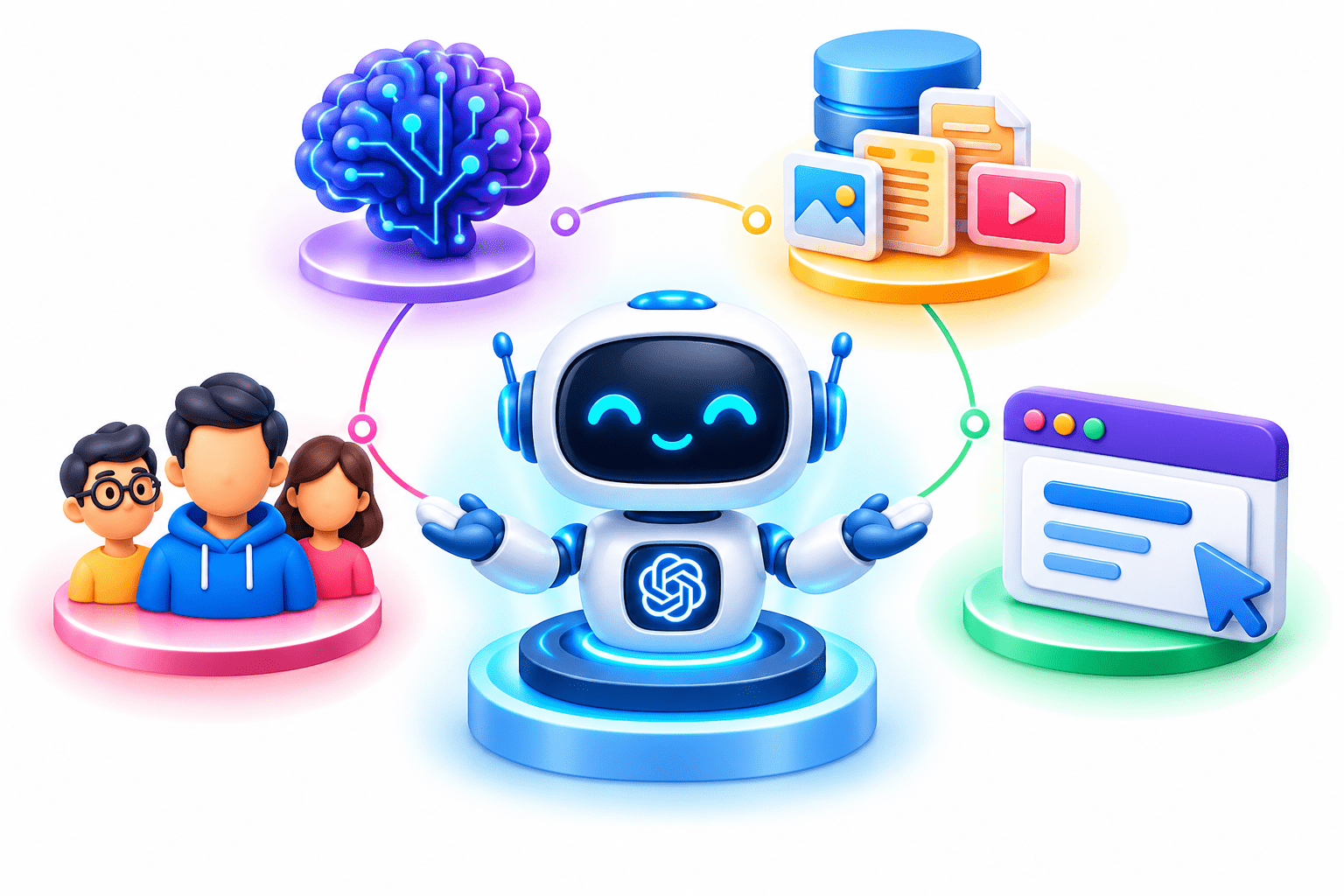
The Generative AI Ecosystem includes multiple components working together.
Recall
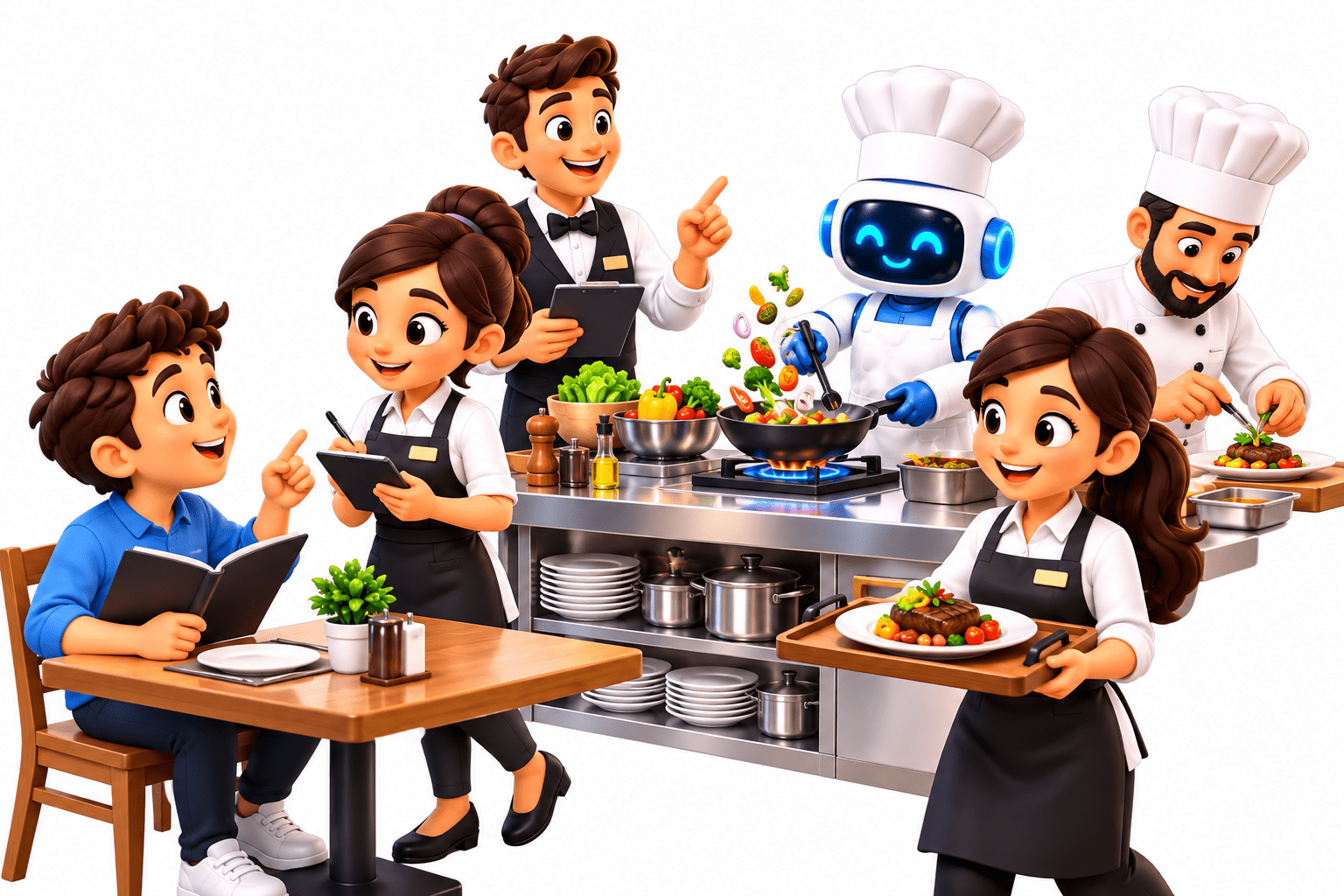
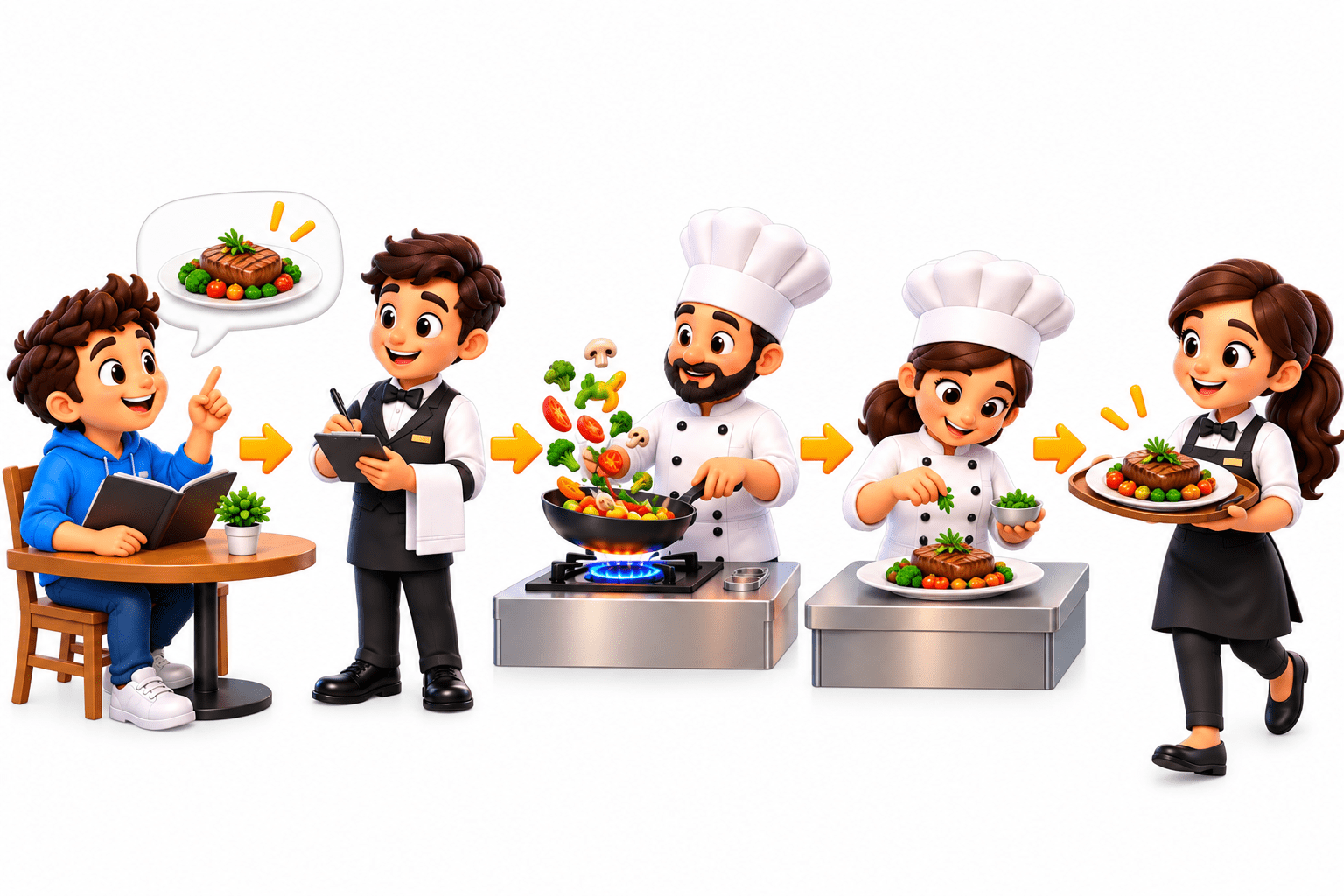
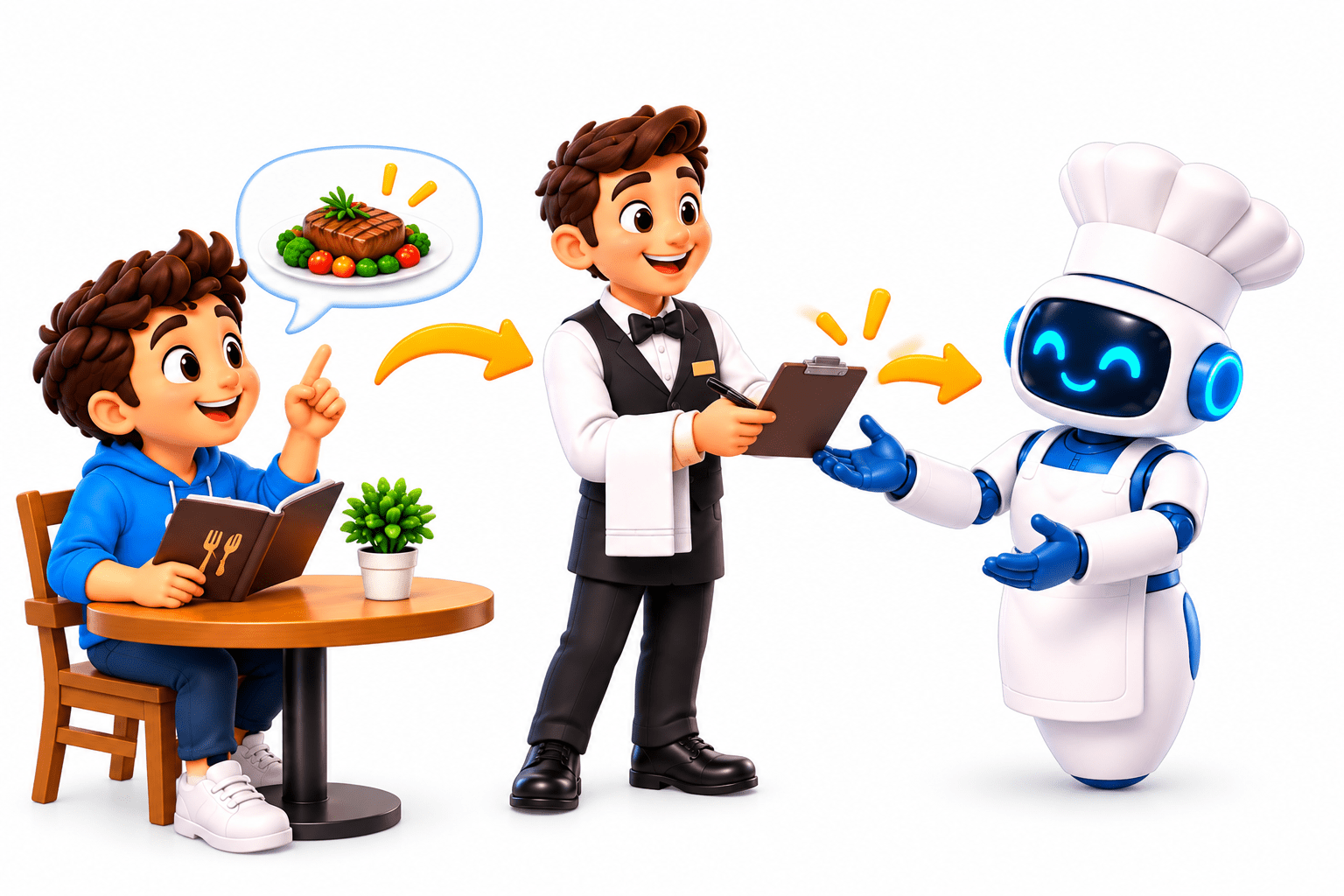
Imagine Generative AI as a modern restaurant where everyone works together:
Customer → User
Gives the request or prompt.
Waiter → AI Application
Receives and passes the request.
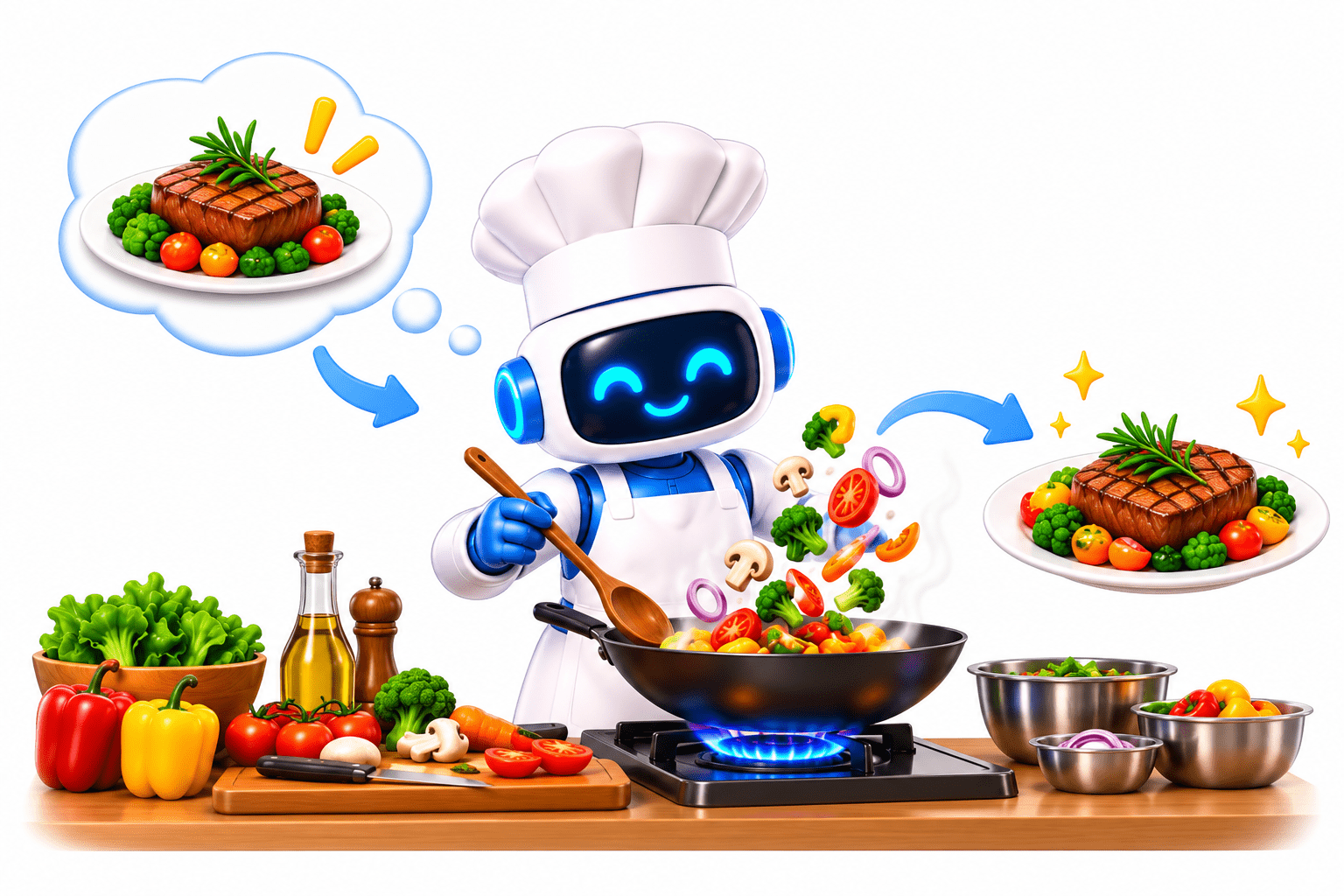
Chef → LLM / Foundation Model
Understands the request and creates the response.
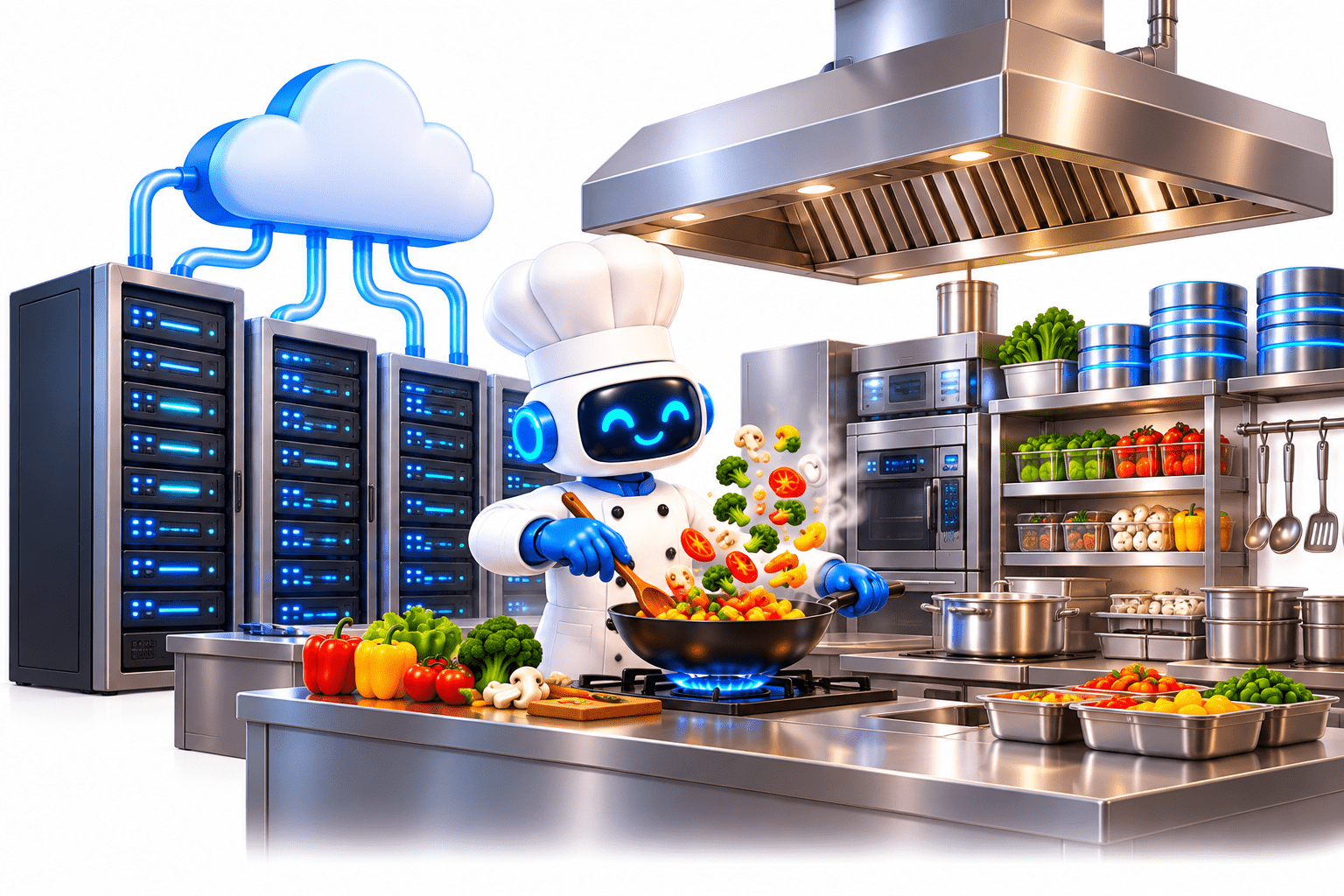
Kitchen → Infrastructure
Provides the resources needed to operate.
Restaurant Owner → AI Company
Manages the complete ecosystem.
Just like a meal needs the whole restaurant, an AI response needs the entire Generative AI ecosystem working together.
Previously, we imagined a restaurant where a customer, waiter, chef, kitchen, and owner all work together to deliver a meal.
If ChatGPT suddenly lost access to its underlying AI model, would it still be able to answer your questions? What does this tell you about the relationship between AI applications and Large Language Models?
No, it wouldn't be able to answer, because the AI application is just the interface, the LLM is what actually generates the response.
The waiter can't cook without the chef. Let's break down each component of the ecosystem in detail.
ChatGPT is only one application within this larger ecosystem.
Different components work together to process user requests.
A prompt can generate text, images, code, and more.
02
03
04
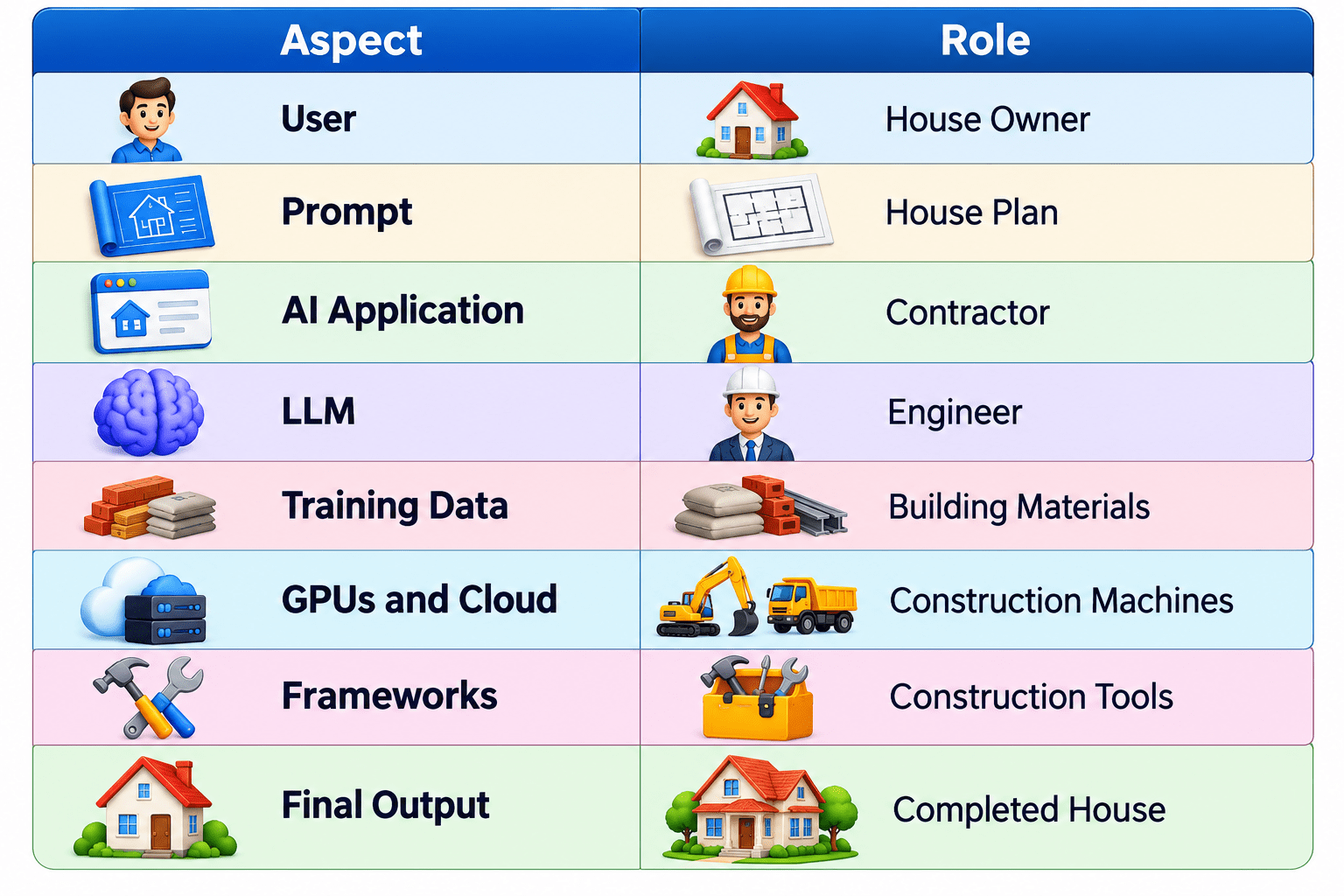
Generative AI is made of several interconnected components
01
Users
Start the interaction by giving commands or requests.
Prompts
Instructions or questions given to the AI.
AI Applications
User-facing tools like ChatGPT, Gemini, Copilot, Claude, and Perplexity.
Foundation Models / LLMs
The brain of the ecosystem that understands and generates content.
Training Data
Books, websites, images, code, and other data used to train models
Computing Infrastructure
GPUs, TPUs, storage, and cloud systems that power training.
AI Frameworks & Libraries
Tools like PyTorch, TensorFlow, and JAX used to build and optimize models.
Deployment Platforms
Websites, apps, APIs, and cloud services that make AI available to users.
The ecosystem ultimately helps solve real-world problems.
Applications include AI tutors, coding assistants, and customer support chatbots.
It also powers content creation, medical report assistance, and document summarization.
Every ecosystem component works together to enable these AI applications.
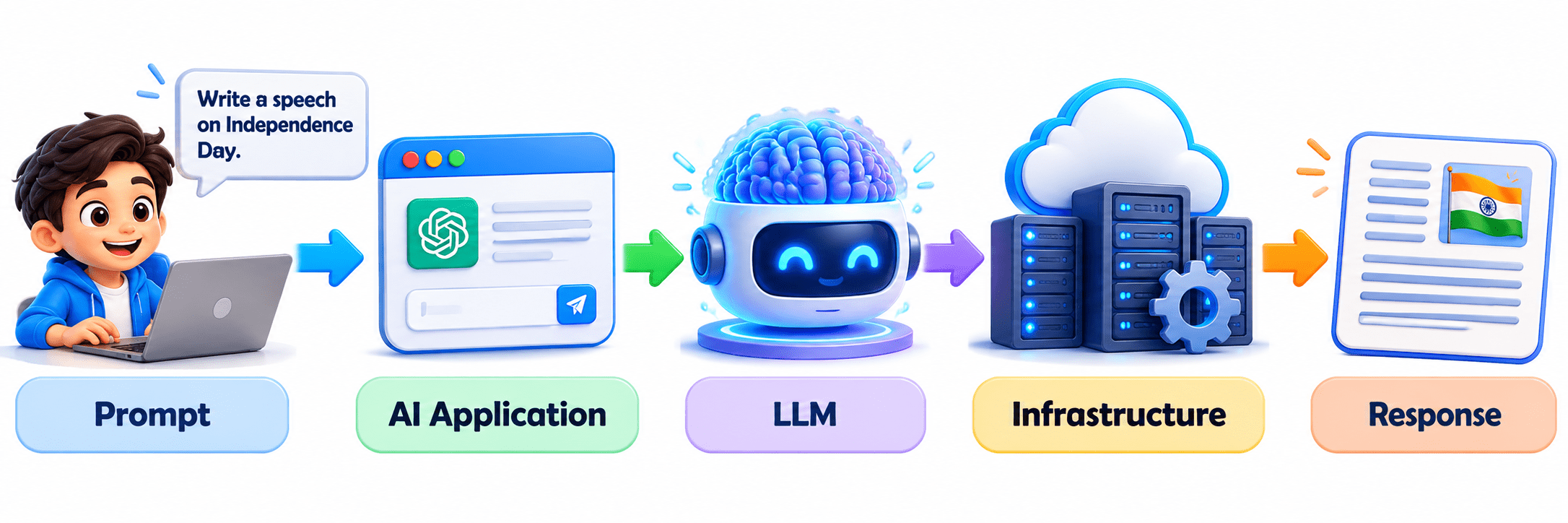
Scenario: “Write a speech on Independence Day.”
User enters the prompt into the AI application.
The application sends it to the LLM for processing.
Cloud infrastructure performs the computation and generates the response.
The application displays the generated speech to the user.
Key Point:
User
Uses AI
Prompt Gives instructions
LLM
Learns language patterns
AI Application User interface
Training Data Source of learning
What If Training Data is Poor?
Developers can use pre-trained models through APIs or open-source models.
Many AI applications share the same underlying GenAI ecosystem.
This avoids building AI models from scratch.
Understanding the ecosystem explains why prompt quality matters and why AI can make mistakes.
These models power chatbots, AI tutors, coding assistants, healthcare tools, and virtual assistants.
ChatGPT → Turns a user prompt into a generated response.
Coding Assistant → Uses models trained on code repositories.
Customer Support Chatbot → Uses cloud platforms to serve millions of users.
These applications are powered by the complete GenAI ecosystem behind the scenes.
Summary
4
Explains how GenAI is built, deployed, and used.
3
All components work together.
2
LLM = Engine, ChatGPT = Interface.
1
GenAI Ecosystem connects all AI components.
Quiz
Which component acts as the engine that generates responses in the Generative AI Ecosystem?
A. AI Application
B. Training Data
C. User
D. Large Language Model (LLM)
Which component acts as the engine that generates responses in the Generative AI Ecosystem?
A. AI Application
B. Training Data
C. User
D. Large Language Model (LLM)
Quiz-Answer
By Content ITV