



Content ITV PRO
This is Itvedant Content department
Learning Outcome
5
Reduce recurring reconciliation breaks.
4
Understand corrective and preventive actions.
3
Identify common root causes.
2
Investigate reconciliation breaks.
1
Explain the purpose of RCA.
Identifying why the break occurred
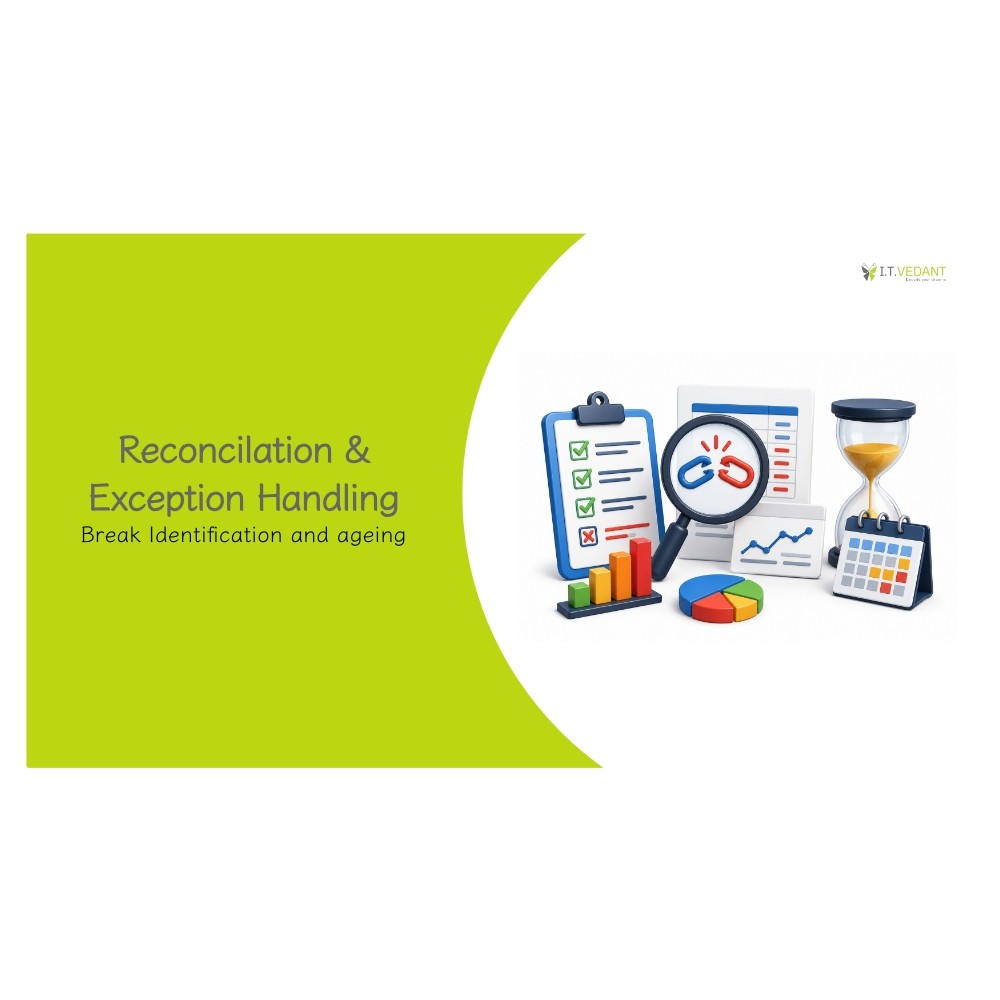
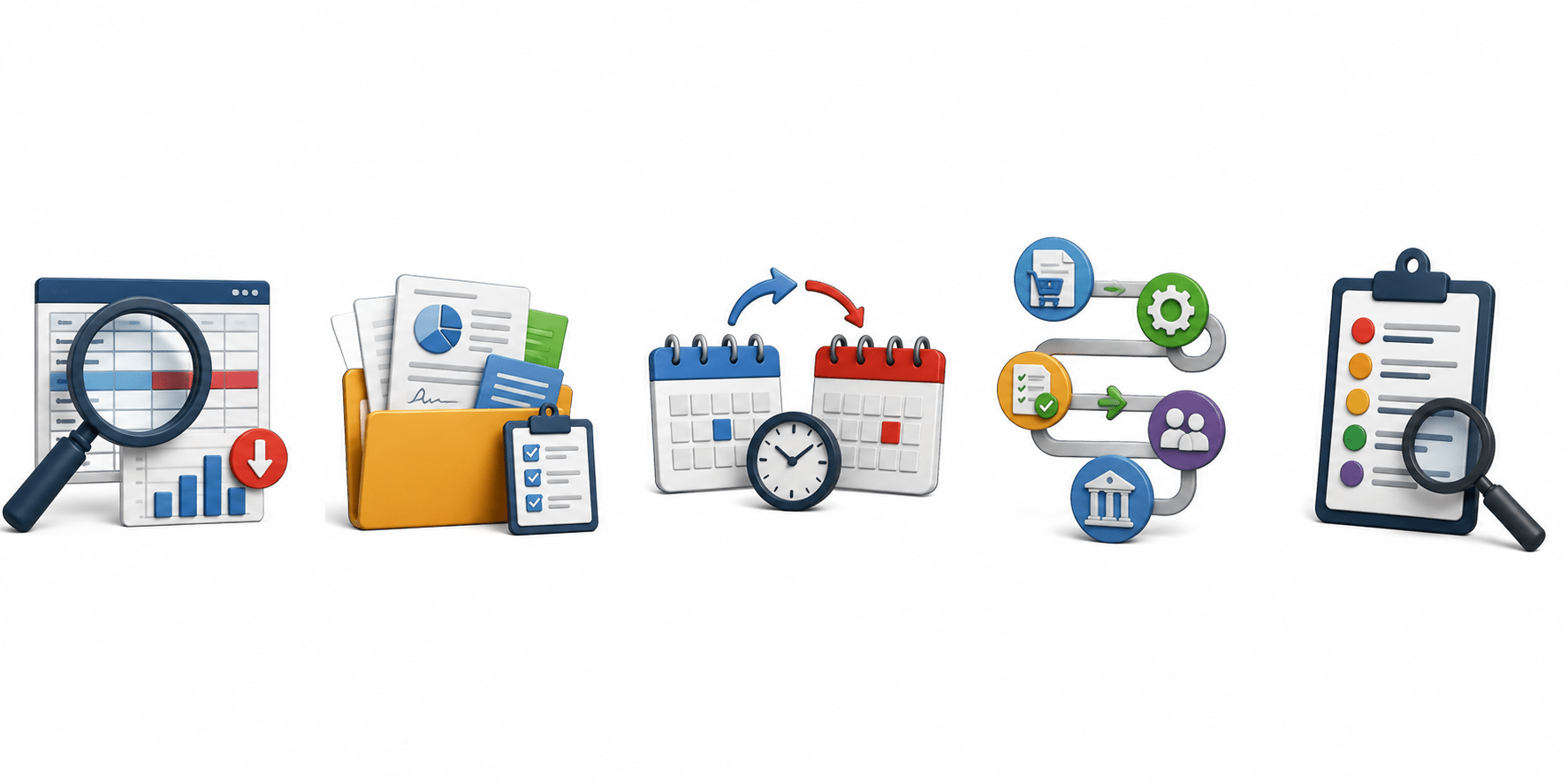
Finding the reason for a reconciliation break is a systematic process. Instead of making assumptions, a reconciliation analyst follows a series of steps to identify the exact cause of the mismatch.
1. Isolate the break
The first step is to identify the exact trade, cash transaction, or position where the mismatch has occurred. Instead of checking the entire account, the analyst focuses only on the specific entry that is showing a difference.
2. Gather supporting documents
Next, the analyst collects all the documents related to that transaction. These may include the trade ticket, contract note, Standing Settlement Instruction (SSI), corporate action notice, and system logs. These documents help verify what was supposed to happen and what was actually recorded.
3. Compare timelines
The analyst then compares the date and time when the transaction was recorded by both parties, such as the internal system and the custodian or bank. In many cases, the records are different simply because one side recorded the transaction earlier than the other. These are called timing differences and often get corrected automatically.
5. Classify the cause
After finding the reason for the mismatch, the analyst places the break into the correct root-cause category, such as a timing difference, missing transaction, incorrect settlement instruction, pricing difference, or operational error. Once the cause is identified, the appropriate corrective action can be taken to resolve the break.
4. Trace the transaction lifecycle
The analyst follows the complete journey of the trade or cash movement, starting from the order stage and continuing through execution, confirmation, and settlement. This helps identify the exact stage where the two records started to differ.
Common root causes
While every break is unique, most reconciliation breaks in Indian capital markets operations fall into a small set of recurring categories:
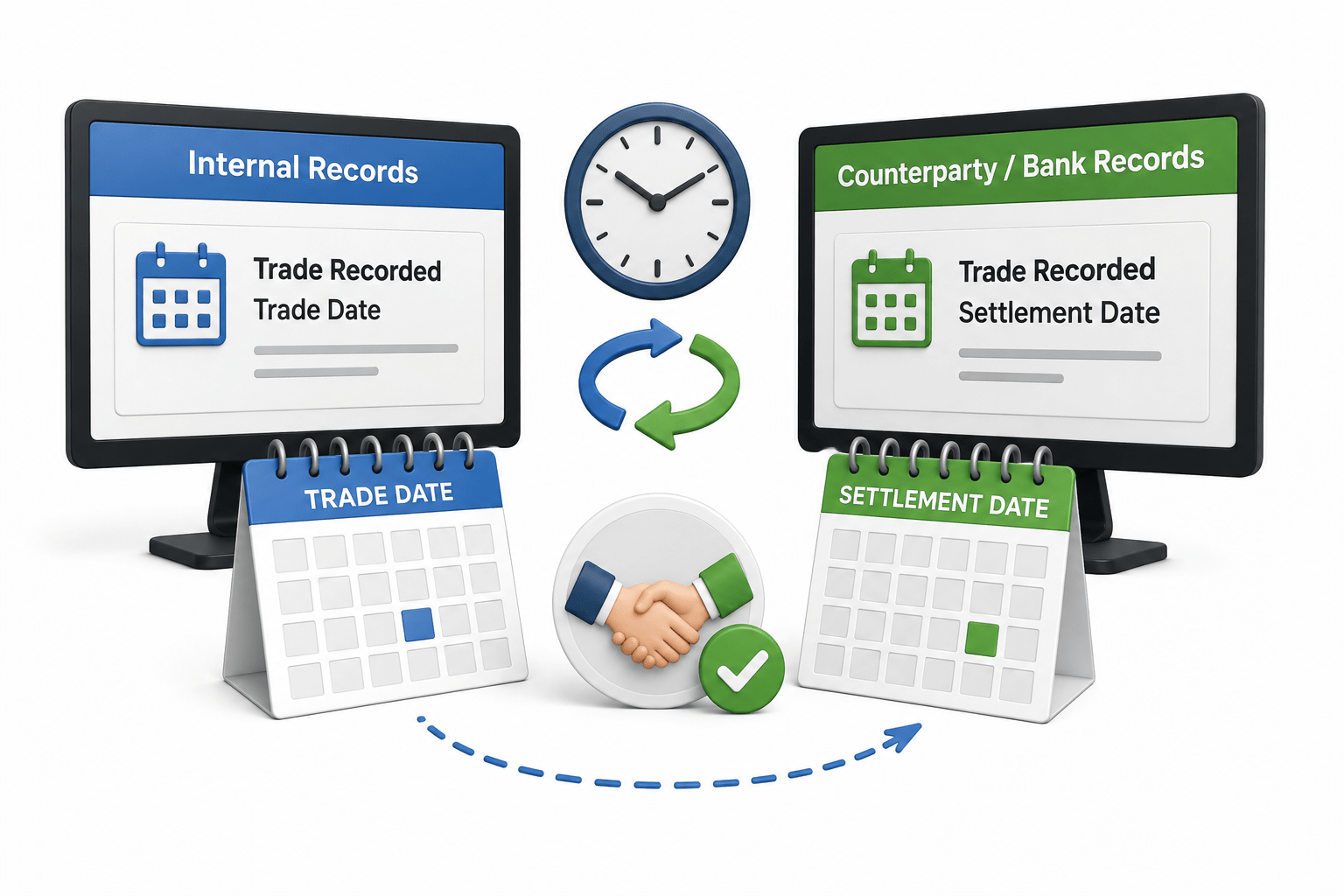
Example: ABC Mutual Fund buys 500 shares of Infosys on 10 July (Trade Date). The fund records the transaction immediately. However, the custodian records the same trade only on 11 July (Settlement Date). On 10 July, the two records did not match, creating a temporary reconciliation break. Once the custodian records the trade on the settlement date, the break is automatically resolved.
1. Timing Differences
Sometimes both parties record the same transaction on different dates. For example, the internal records may record the trade on the trade date, while the counterparty or bank records it on the settlement date. This creates a temporary break, which usually gets resolved automatically.
Core Concepts (Slide 6)
Core Concepts (Slide 7)
Core Concepts (.....Slide N-3)
Summary
5
Build strong branding
4
Use different marketing channels
3
Target the right audience
2
Create and communicate value
1
Understand customer needs
Choose cool, soft colors instead of vibrant colors
Max 5 Points for Summary & Min 2
Quiz
Which platform is mainly used for professional networking and B2B marketing ?
A. Facebook
B. Instagram
C. LinkedIn
D. Snapchat
Quiz-Answer
Which platform is mainly used for professional networking and B2B marketing ?
A. Facebook
B. Instagram
C. LinkedIn
D. Snapchat
By Content ITV