




















Content ITV PRO
This is Itvedant Content department
Learning Outcome
4
Apply a five-step debugging method.
3
Recognize Zap History run statuses.
2
Identify the five checks before going live.
1
Understand testing vs debugging.
5
Connect fixes to replay and autoreplay.
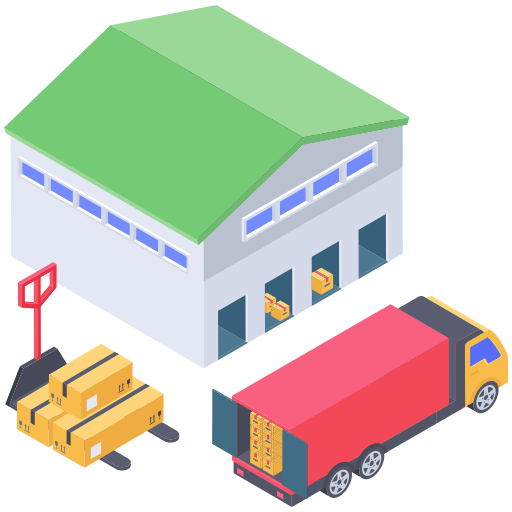
Picked Up
Reached Hub
Out for Delivery
Picked Up
Reached Hub
Out for Delivery
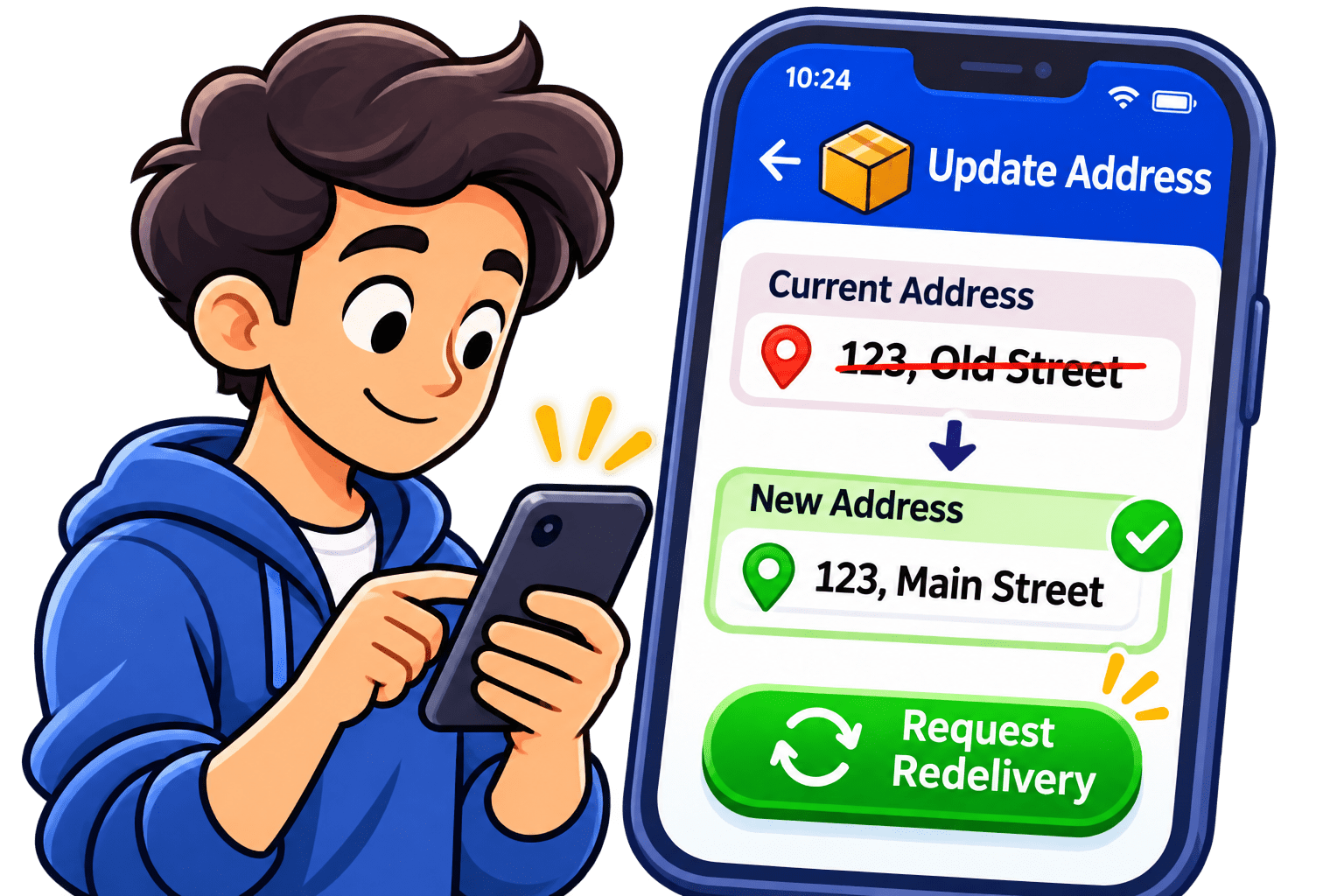
And suddenly, Address Not Found!
You correct the address and request redelivery. You don't place a new order; you simply fix the issue and try again.
“Now, imagine that every step of your automation passed its editor test. Everything looked perfect!
But three weeks later, you notice that welcome emails have suddenly stopped going out.
Think about it: Where would you look to find out what went wrong?
You would check the Zap History, just like checking a courier's tracking page.
Think about it: Where would you look to find out what went wrong?
But wouldn't it be better if we could reduce the chances of such failures in the first place?
Let's explore how to test our automation properly before relying on it.”
Now, consider this situation: A daily lead report containing every customer's phone number is posted in a #general channel with 400 members.
What do you think is wrong here?
The report may contain accurate information, but it is being shared with the wrong audience.
Remember: A good report needs not only the right data, but also the right people to receive it.
This brings us to an important concept: Secure Reporting and Controlled Information Sharing.
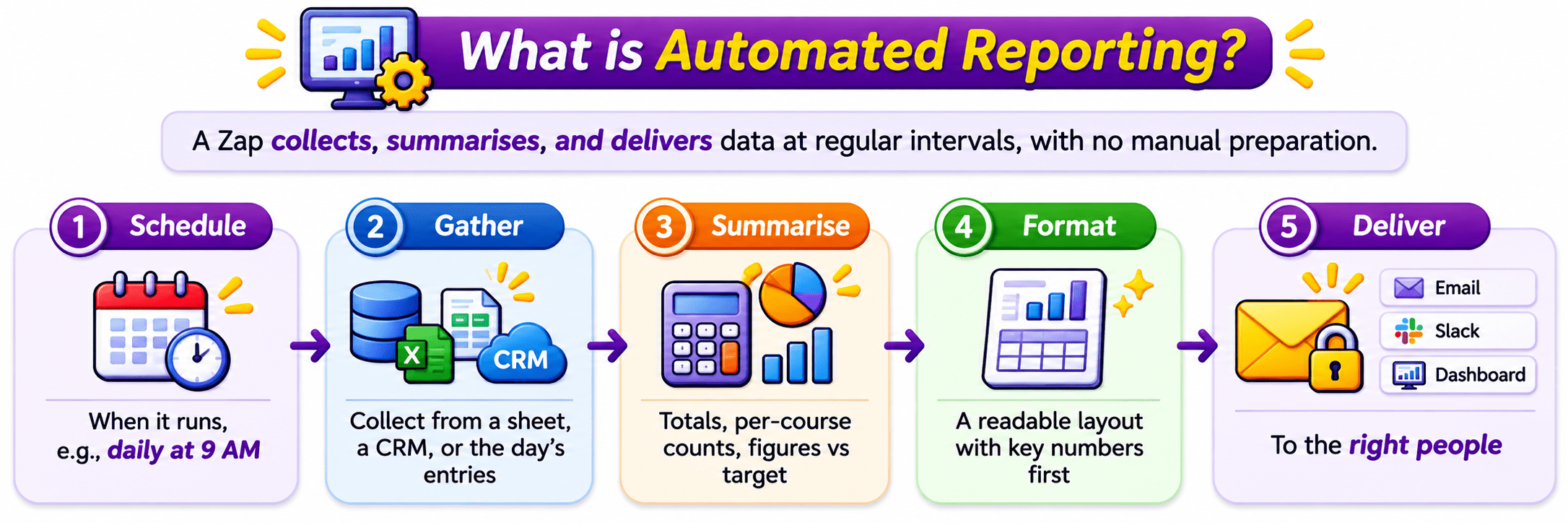
Automated Reporting is the process of automatically collecting, summarising, formatting, and delivering data at predefined times without requiring manual work.
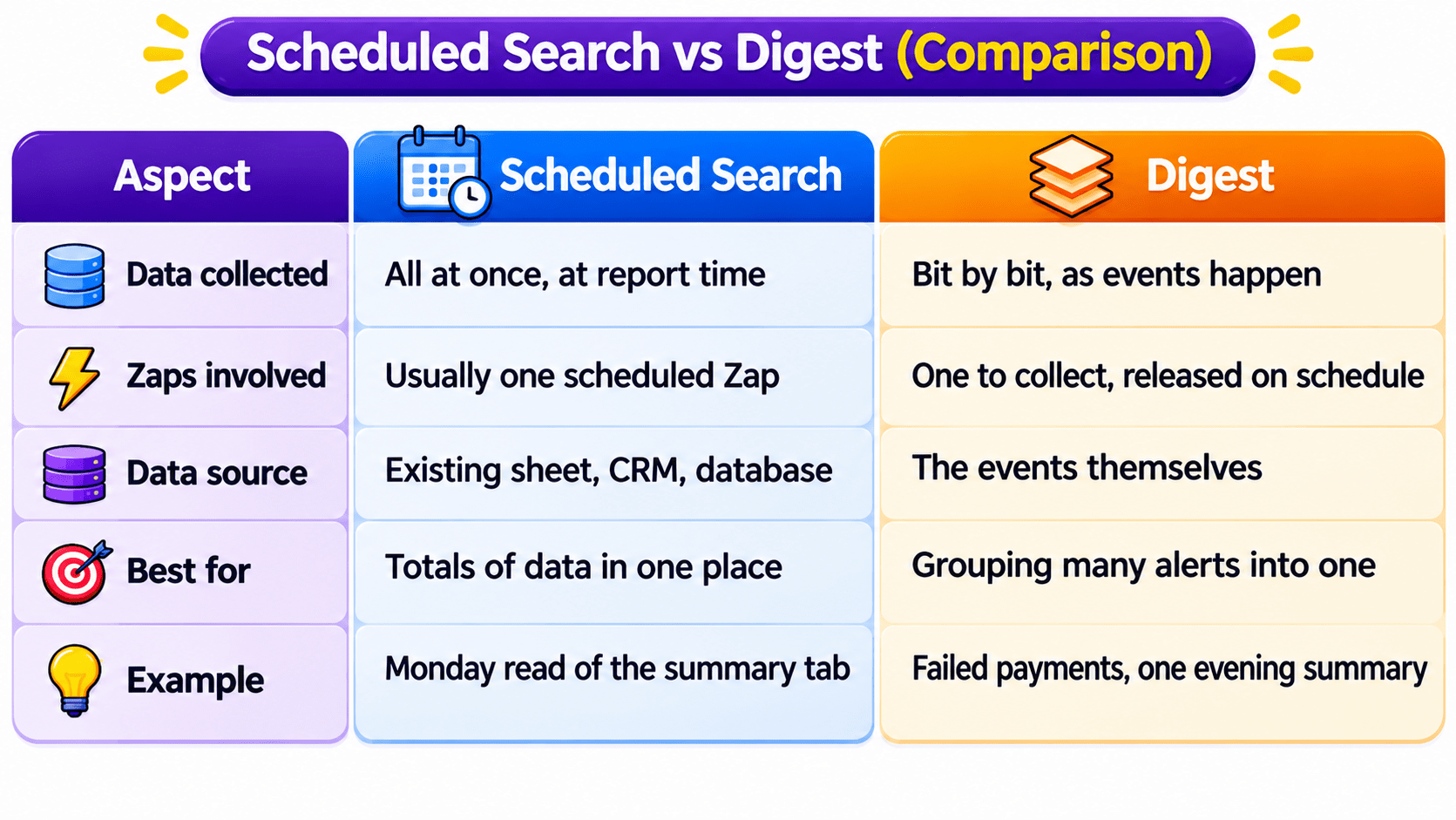
Scheduled Search
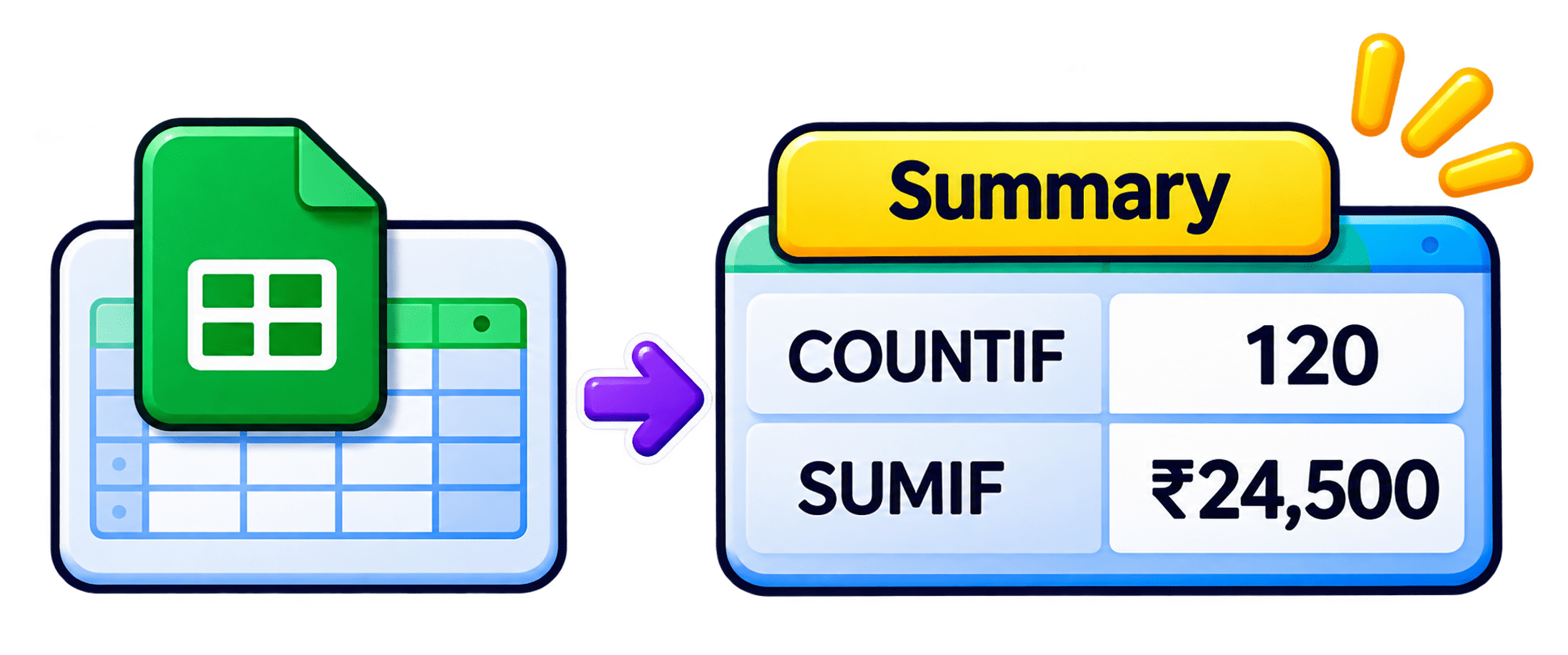
The Zap fetches data at the scheduled report time, while a summary tab uses COUNTIF/SUMIF formulas to calculate totals, which the Zap then reads.
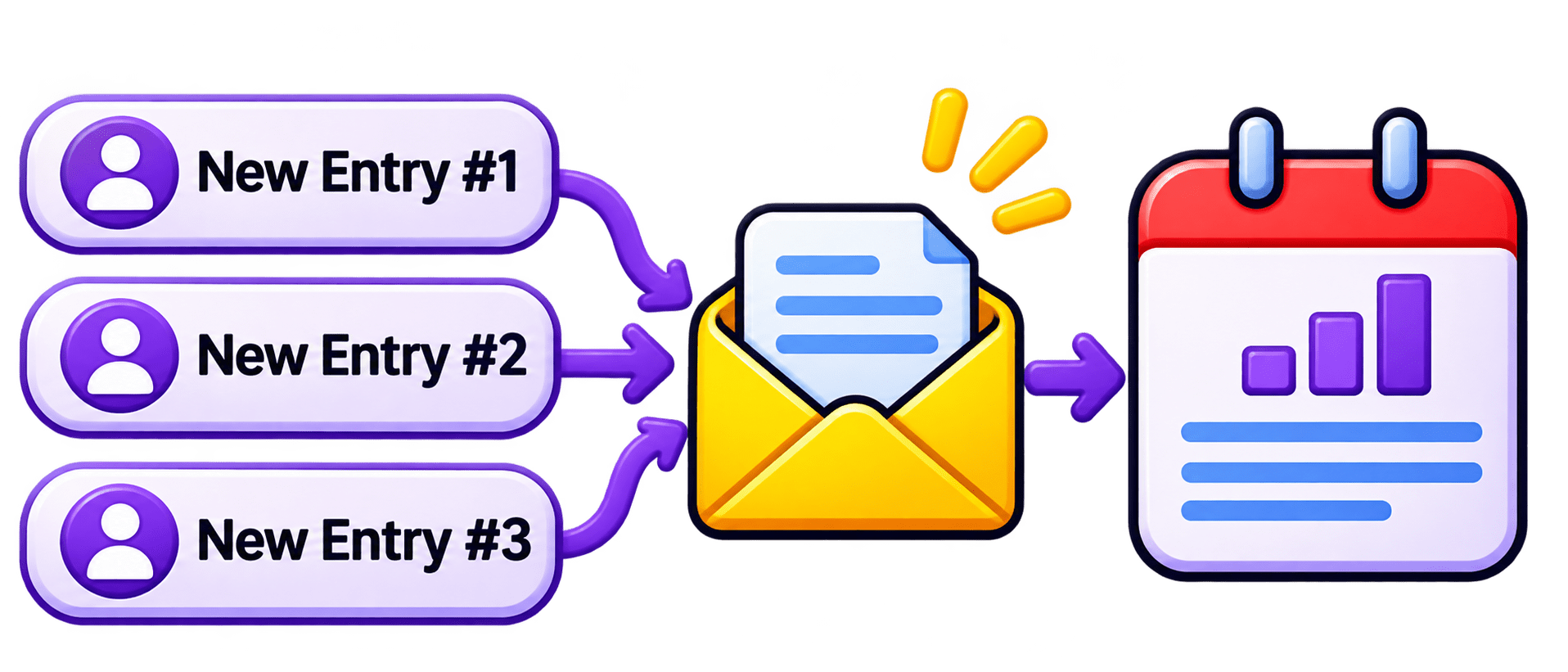
It collects entries as events happen and combines them into one message, which is released at a scheduled time or when a set count is reached.
Scheduled Search
The Zap fetches data at the scheduled report time, while a summary tab uses COUNTIF/SUMIF formulas to calculate totals, which the Zap then reads.
Digest by Zapier
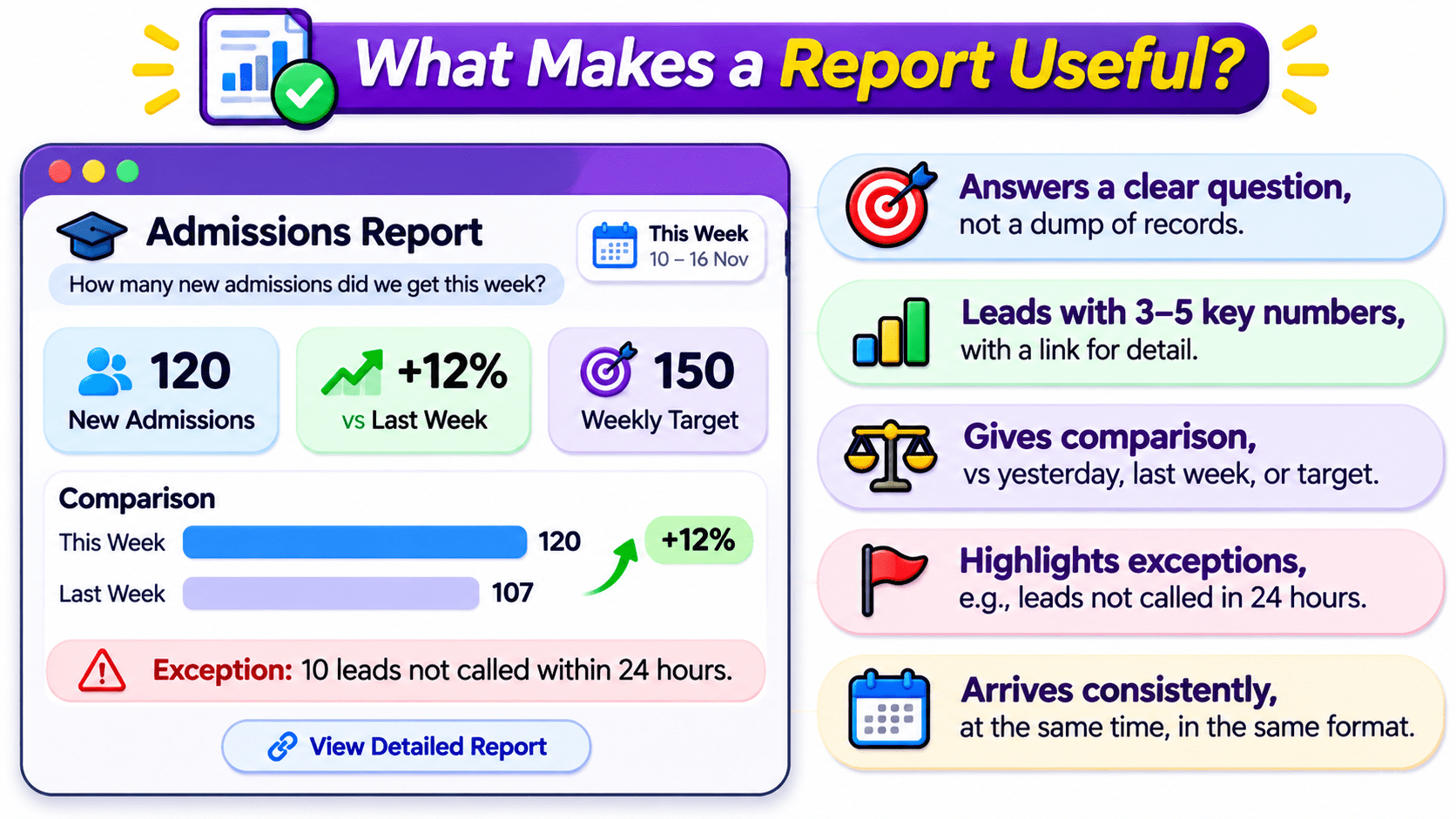
Answers a clear question, not a dump of records
Leads with 3–5 key numbers, with a link for detail
Gives comparison: vs yesterday, last week, or target
Highlights exceptions: e.g. leads not called in 24 hours
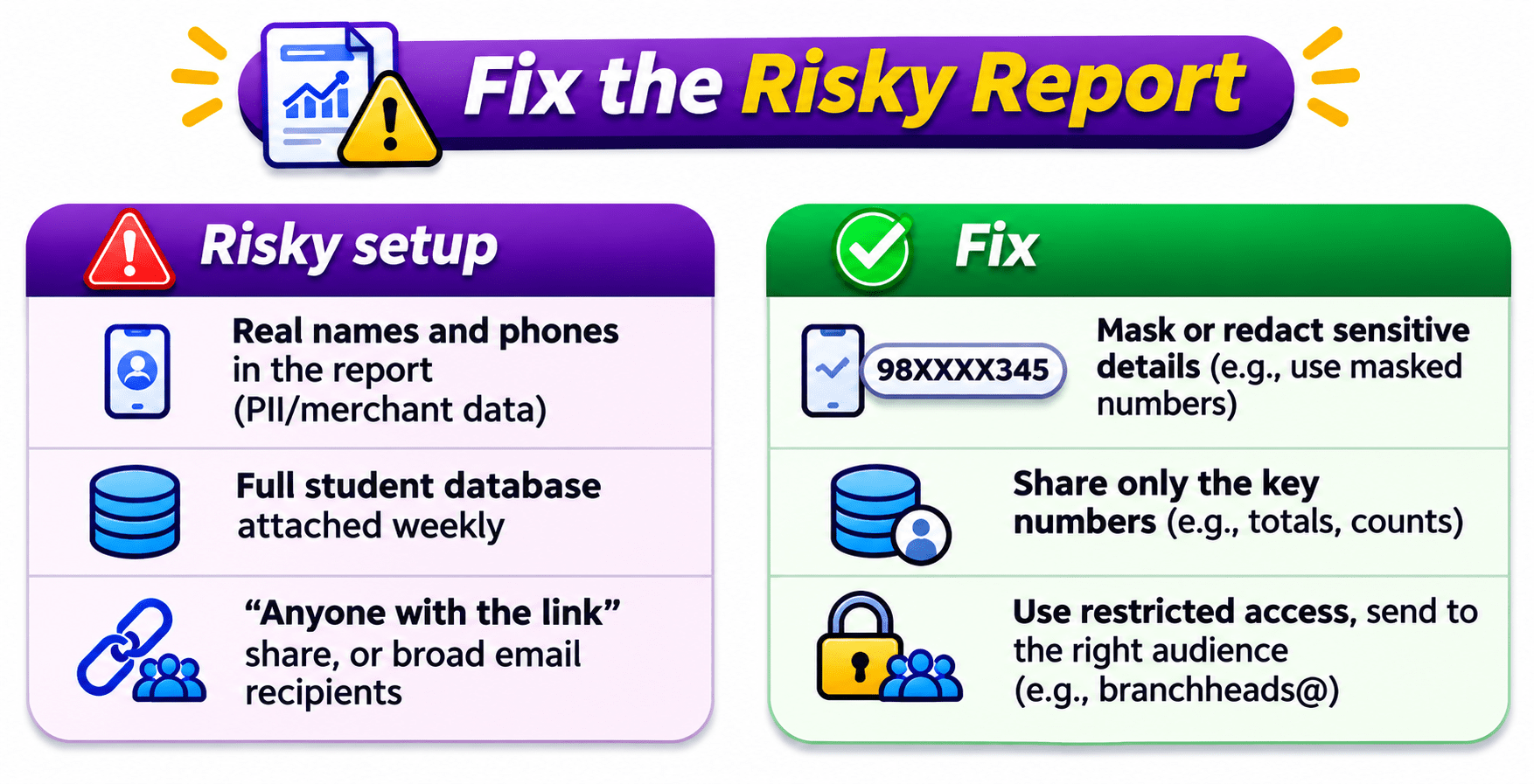
Deliver only to those who need it, only what they need, through protected channels. The DPDP Act, 2023
makes organisations responsible for personal data.
Need-to-know recipients only
Minimum data: totals, or masked values like 98XXXXX345
Restricted links over attachments: never “Anyone with the link”
Role-based recipients: branchheads@, private channels
Failed payments sent as one 7 PM message
Google reviews collected and sent each Friday
Last month’s fee total from the accounts sheet
Monday enrolment totals from the summary tab
Failed payments sent as one 7 PM message
Google reviews collected and sent each Friday
Last month’s fee total from the accounts sheet
Monday enrolment totals from the summary tab
Digest
Scheduled Search
Summary
4
Share only with those who need it, minimally and masked.
3
Useful reports lead with key numbers and flag exceptions.
2
1
5
Prefer restricted links and role-based recipients.
Search data that sits in one place; digest data that arrives in pieces.
Reports flow through schedule, gather, summarise, format, and deliver.
Quiz
What is the safest way to share a weekly fee report?
A. Attach the full Excel file
B. Use an “Anyone with the link” sheet
C. Send a restricted sheet link to branchheads@
D. Post it in #general
What is the safest way to share a weekly fee report?
A. Attach the full Excel file
B. Use an “Anyone with the link” sheet
C. Send a restricted sheet link to branchheads@
D. Post it in #general
Quiz-Answer
By Content ITV