Information Architecture
Towards a unified information architecture
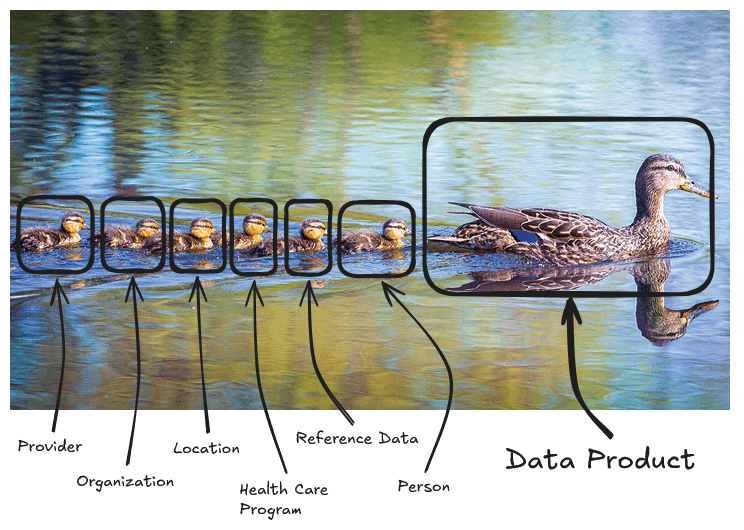
Getting our (data) in a row
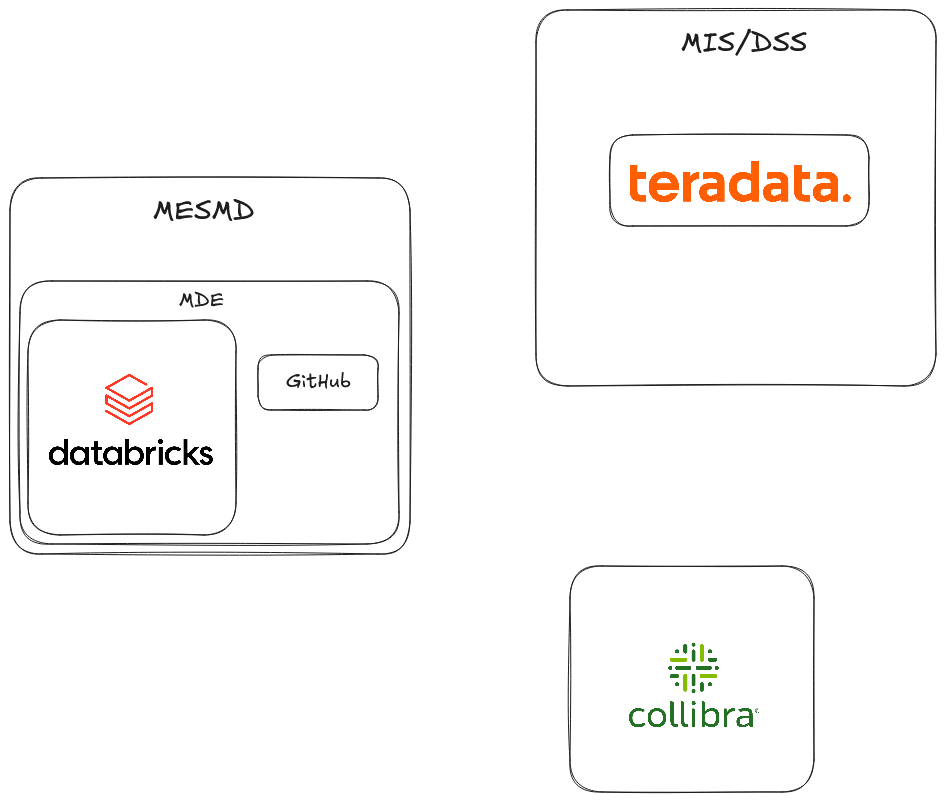
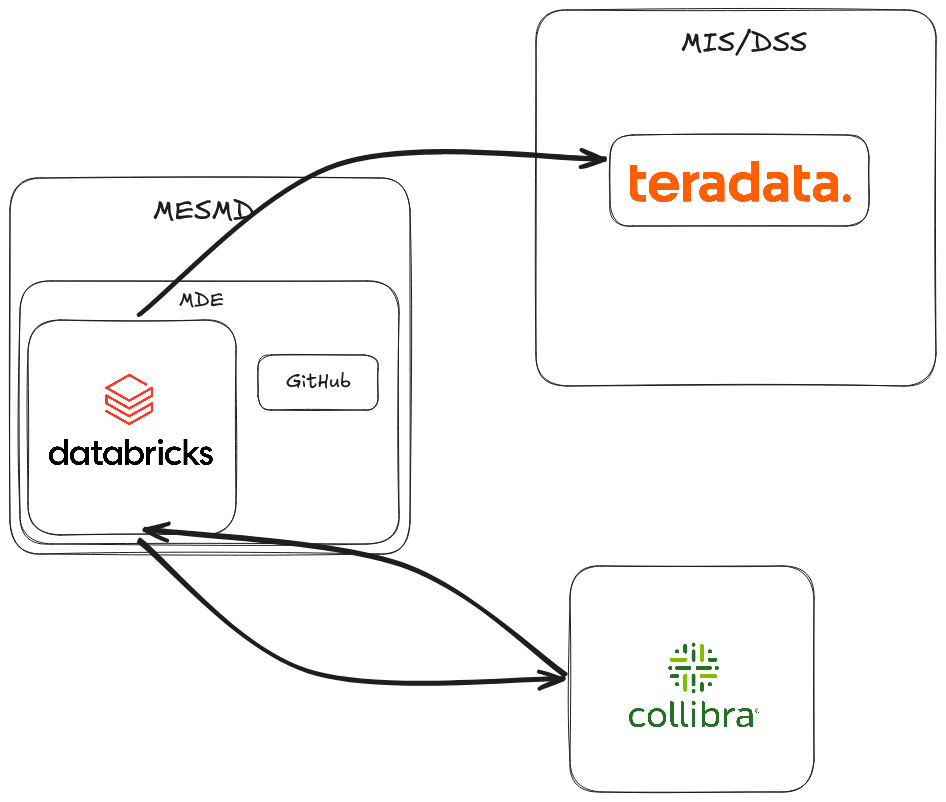
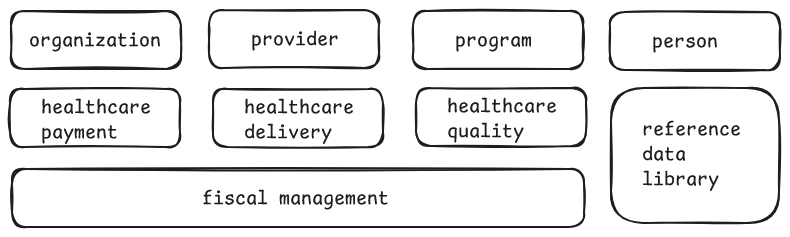
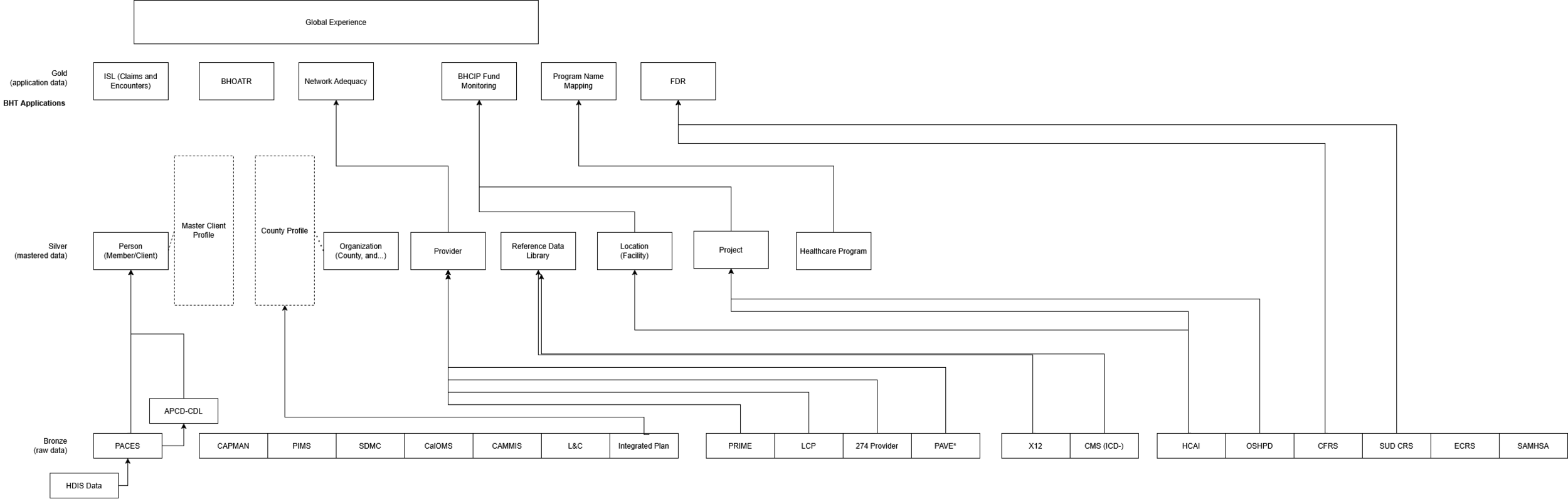
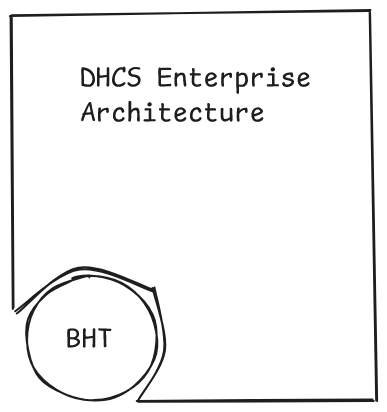
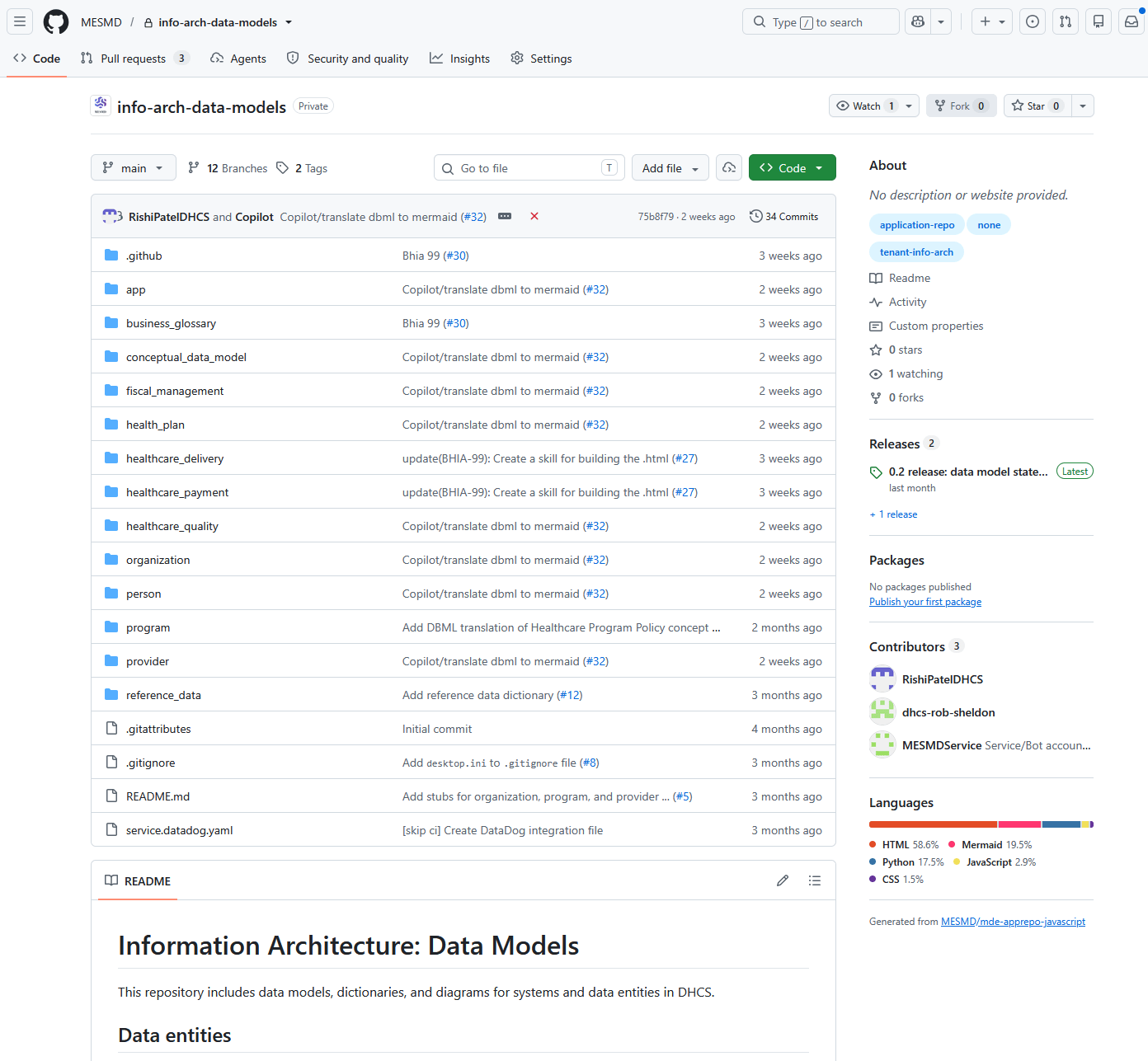
An incomplete map of data sources, data entities, and data products
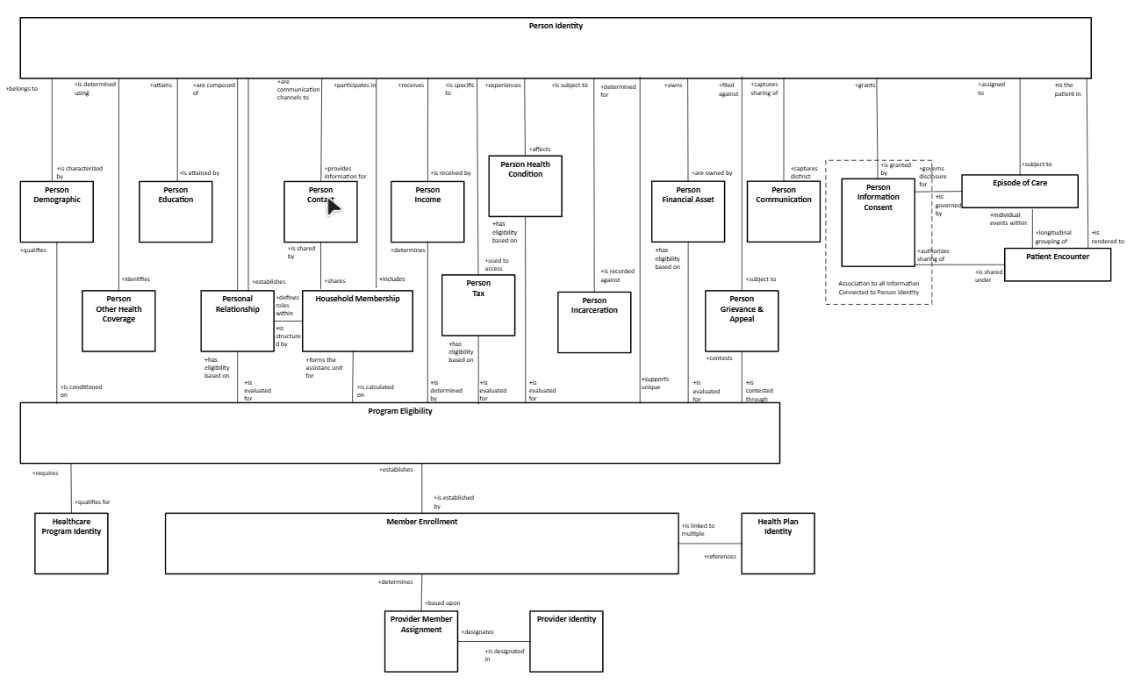
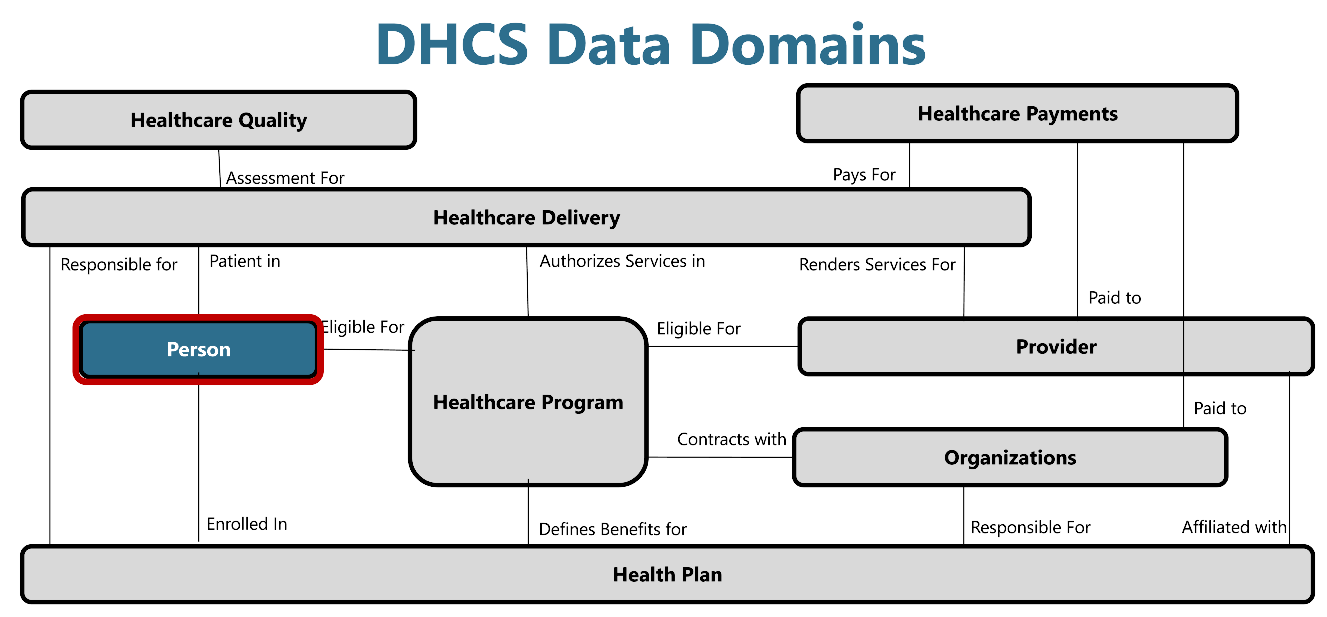
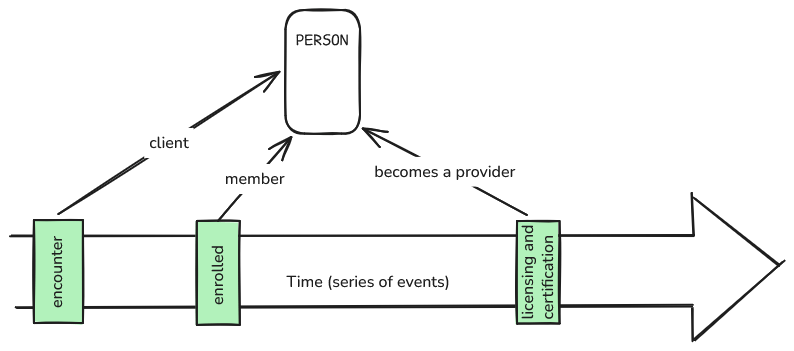
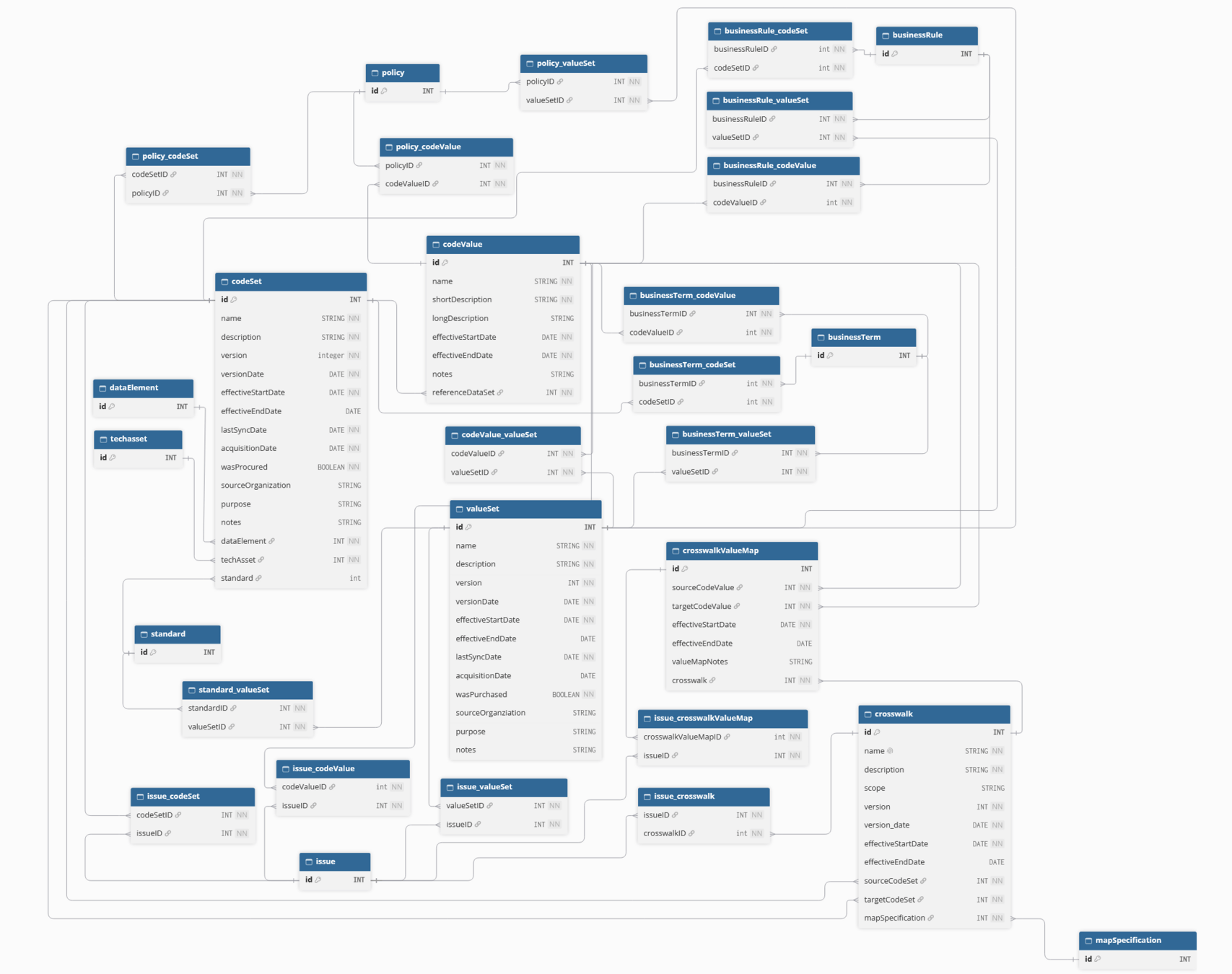
Reference Data Library
- Code sets (X12, ICD-10, taxonomy codes ...)
- Value sets (county codes)
- Crosswalks
- Mostly external data
vs
reference data
- Provider identifiers
- Organization data
- Identifying information from data entities
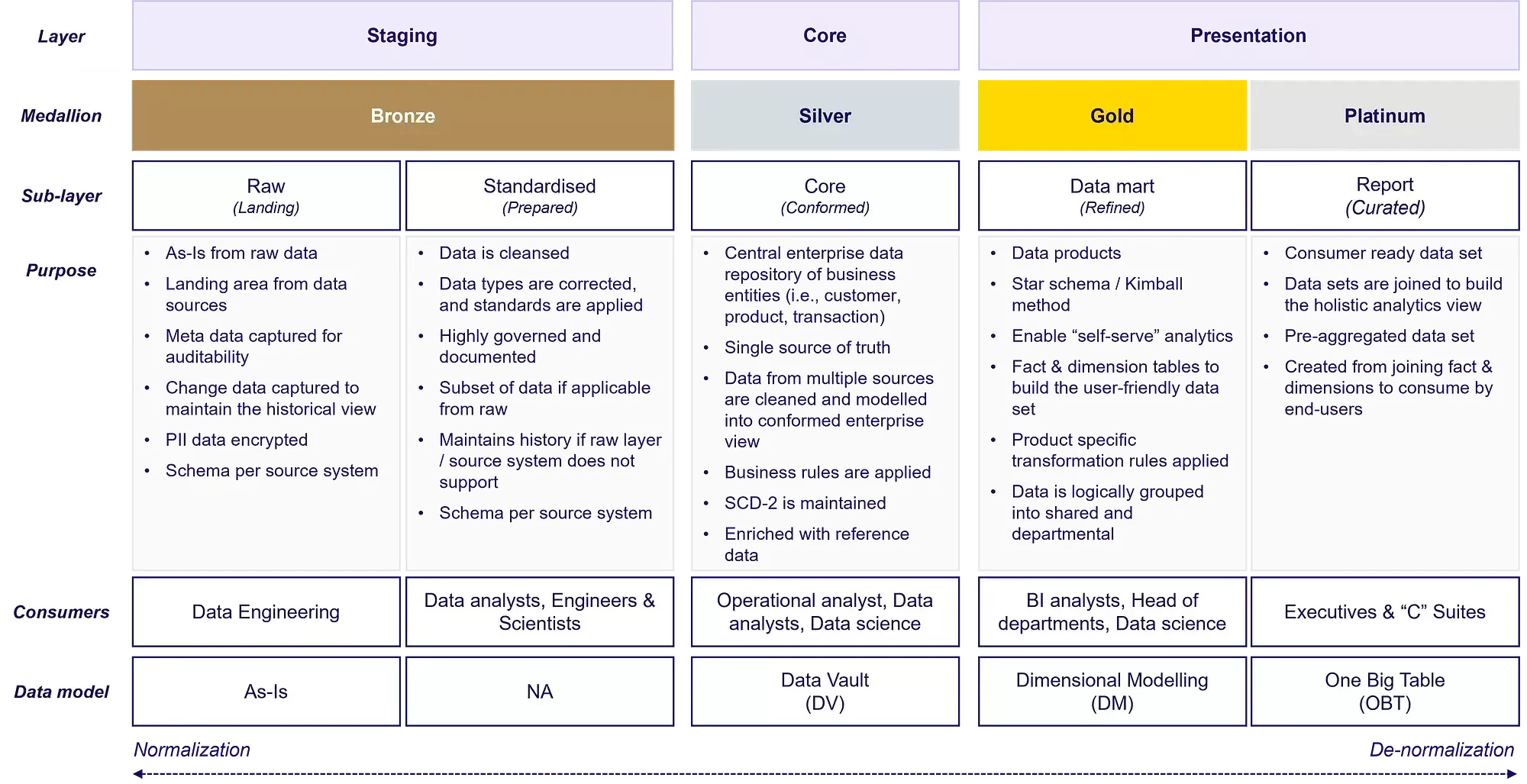
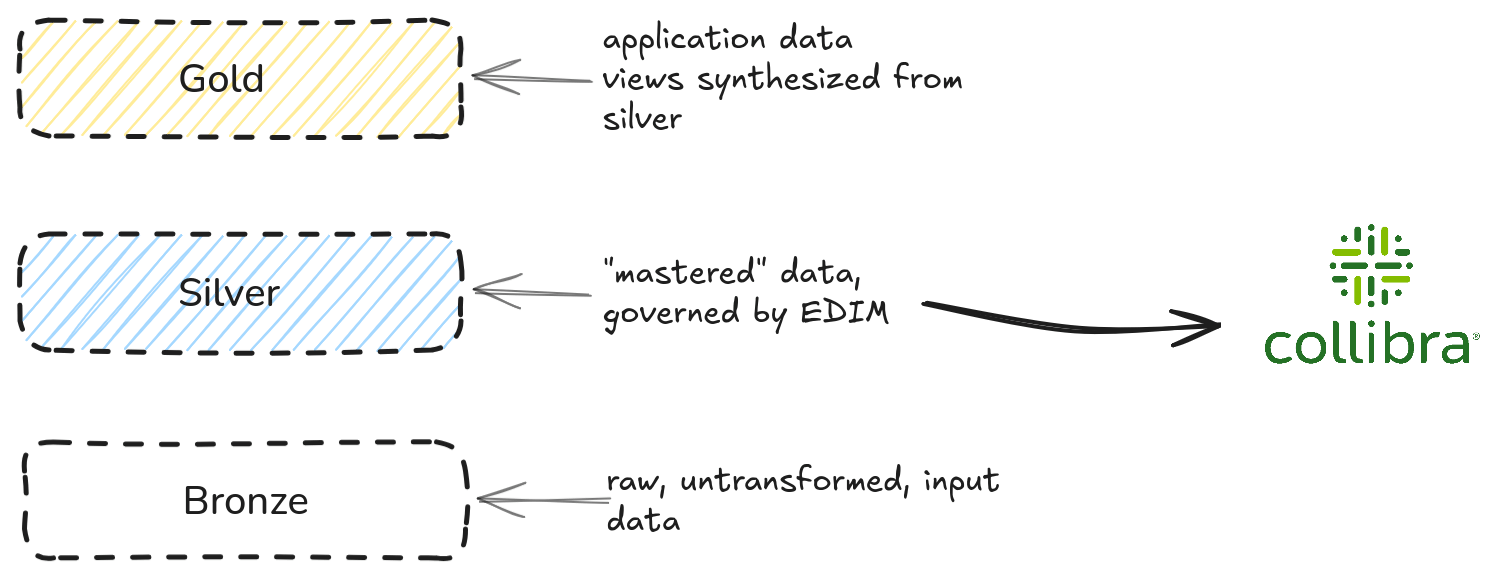
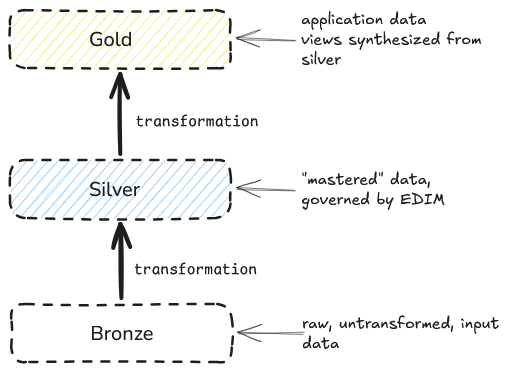
Data custodians: maintain technical infrastructure related to a data entity. Probably the Master Data team, Data Platform team, or a product team (contractors).
Data stewards: maintain the data itself (rows of tables). Governance, critical for establishing and defending the "correctness" of data. State employees.
Data owners: management-level data governance; responsible party for some data. Branch and division chiefs.
Product owners: management-level data custodianship, engineering team leads.
PII, PHI, and sensitivity labels
Databricks tags and attributes
ABAC: Attribute-Based Access Controls
DSLs
- Domain-Specific Languages
- Mermaid
- JSON
- DBML
GitHub
- Change management
- Infrastructure engineering
- Reliable configuration management
What are we delivering?
- Consistency: an eligible member is an eligible member in every application
- Correctness: an eligible member is clearly defined and auditors agree about their status
- Compatibility: BHT applications fit within the enterprise architecture without a lot of rework; we win on reusable data